
Flowers
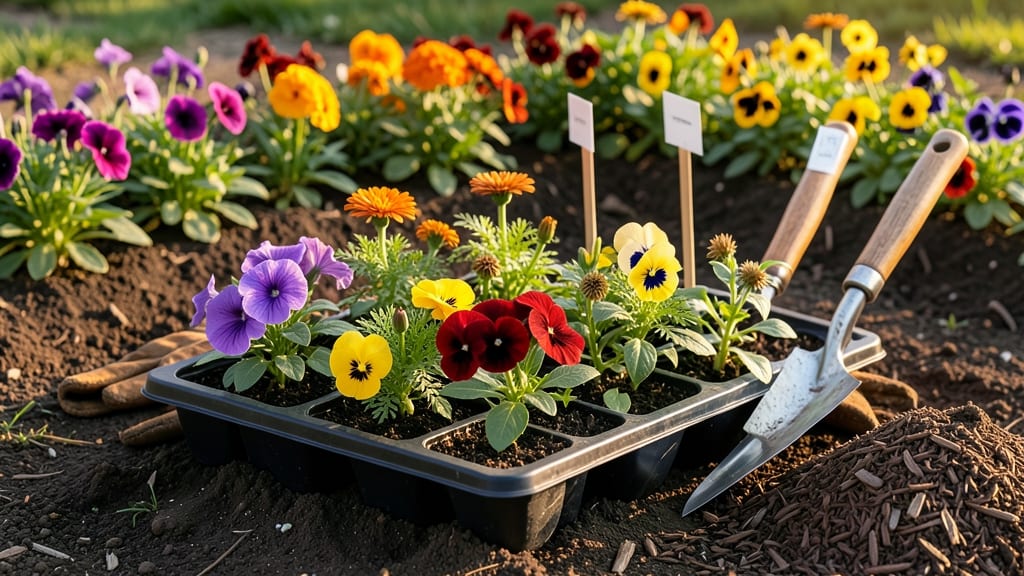
Timing your flower planting in Pittsburgh isn’t just about following a calendar—it’s about beating the unpredictable spring frost that can turn your garden dreams into a sad, brown mess.
With last frosts creeping in as late as April 15, knowing the exact window to plant your 🌸 can mean the difference between a showstopping garden and a season of disappointment.
I’ve learned the hard way that rushing too early or waiting too long both backfire in Pittsburgh’s Zone 6a climate. The key?
Planting annuals after the soil warms to at least 60°F—usually mid-April for tender varieties—and starting perennials and bulbs in early spring or fall when the ground is workable but not soggy.
What if you’re eager to get growing but still dealing with chilly nights? Don’t worry—I’ll show you how to stretch your planting season with cold frames, row covers, and smart bulb choices that thrive in Pittsburgh’s 165 frost-free days.
You’ll leave here with a clear, month-by-month plan tailored to your favorite flowers.
From hardy perennials that bounce back after winter to annuals that need a head start indoors, we’ll cover it all. Let’s turn your garden into a blooming success—no more guessing games, just reliable results.
Pittsburgh’s Zone 6 planting timeline for flowers by season
Pittsburgh’s Zone 6 climate means gardeners must work with a short but sweet growing season. The key to stunning flowers is planting at the right time—typically after the last frost date (April 15–May 1)—but some varieties can handle earlier starts.
I’ve broken down the best planting windows for annuals, perennials, and bulbs to ensure your garden thrives from spring to fall.
For spring-blooming bulbs like tulips and daffodils, planting in October or November gives them time to establish roots before winter. Meanwhile, cool-season annuals like pansies can go in as early as March, while warm-season favorites like marigolds wait until mid-May when soil temperatures hit 60°F.
Let’s dive into the month-by-month schedule to keep your garden blooming all season long.
🌱 Key Tip: Use a soil thermometer to check warmth—60°F is the magic number for most flowers. If your soil is colder, wait a week or two to avoid stunted growth.
| Season | Plant Type | Planting Window | Soil Temp | Notes |
|---|---|---|---|---|
| Early Spring | Bulbs (Tulips, Daffodils) | October–November | 45–55°F | Plant 6–8" deep for winter blooms. |
| Spring | Cool-Season Annuals (Pansies, Snapdragons) | March–April | 40–50°F | Direct sow after last frost risk. |
| Late Spring | Warm-Season Annuals (Marigolds, Petunias) | Mid-May–June | 60°F+ | Wait until soil warms to avoid frost damage. |
| Fall | Perennials (Coneflowers, Black-Eyed Susans) | September–October | 50–60°F | Plant 4–6 weeks before first frost. |
| Late Fall | Spring-Blooming Bulbs (Hyacinths, Crocuses) | November | 40–50°F | Plant before ground freezes for next spring. |
If you’re planting perennials, aim for early fall (September–October) to give roots time to establish before winter. I’ve found that black-eyed Susans and coneflowers thrive when planted in September—they’ll reward you with bold blooms next summer with minimal effort.
For annuals, succession planting is key. Start with cool-season varieties in March, then transition to warm-season favorites in May. This keeps your garden vibrant from spring through fall. Pro tip: Use row covers to extend the season for early plantings if frost threatens.
Don’t forget about container gardening! Potted flowers can be planted 2–4 weeks later than in-ground plants since containers warm up faster. Just ensure they’re in a sheltered spot to avoid cold snaps.
Finally, keep an eye on Pittsburgh’s first frost date (October 15). Plant fall-blooming annuals like mums in early September to enjoy color before winter sets in. With this timeline, your garden will be a nonstop blooming paradise all season long!
🌷 Pro Tip: Mark your calendar for May 15—this is the safest date to plant heat-loving annuals like zinnias and sunflowers in most of Pittsburgh.
How to adjust flower planting for Pittsburgh’s microclimates
Pittsburgh’s diverse geography means your garden’s microclimate can vary dramatically—even within the same neighborhood. The Allegheny River Valley stays warmer longer, while Mt. Washington areas experience frost up to 2 weeks later than downtown. Understanding these variations helps you fine-tune planting times for hardier blooms or extend your season.
Urban heat islands in areas like Downtown or Shadyside can push soil temperatures 5–10°F warmer than rural zones, allowing you to plant tender annuals like marigolds 1–2 weeks earlier. Meanwhile, elevated spots like Squirrel Hill may need to wait until May 10 for safe planting.
To customize your schedule, check local frost data from trusted sources like the Pittsburgh National Weather Service or Penn State Extension. Their last frost date maps show variations from April 15 (airport) to May 1 (Mt. Lebanon)—a 2-week difference that matters for frost-sensitive plants.
| Microclimate | Key Adjustments | Planting Window Shift |
|---|---|---|
| Urban Heat Islands | Soil warms faster; less frost risk | Plant annuals 1–2 weeks earlier |
| River Valleys (e.g., North Shore) | Warmer microclimate; longer growing season | Extend fall planting to October 1 |
| Elevated Areas (e.g., Mt. Washington) | Cooler temps; later frost | Wait until May 10 for frost-sensitive plants |
| Wooded/Shady Spots | Slower soil warming; more humidity | Plant shade-tolerant perennials 2 weeks later |
For container gardens on patios or balconies, microclimates matter even more. South-facing containers can be 5°F warmer than north-facing ones, so monitor soil temperature with a thermometer before planting heat-loving flowers like zinnias or snapdragons.
If you’re unsure about your specific microclimate, use frost-sensitive plants as indicators. For example, plant calendula (which bolts at 60°F) as a test—if it thrives by May 1, your area is likely safe for other warm-season annuals.
Pro tip: Group plants with similar microclimate needs together. Place cool-season flowers like pansies in shadier spots and heat-lovers like sunflowers in sunnier areas. This strategic placement maximizes blooms and minimizes adjustments mid-season 🌿.