
Flowers
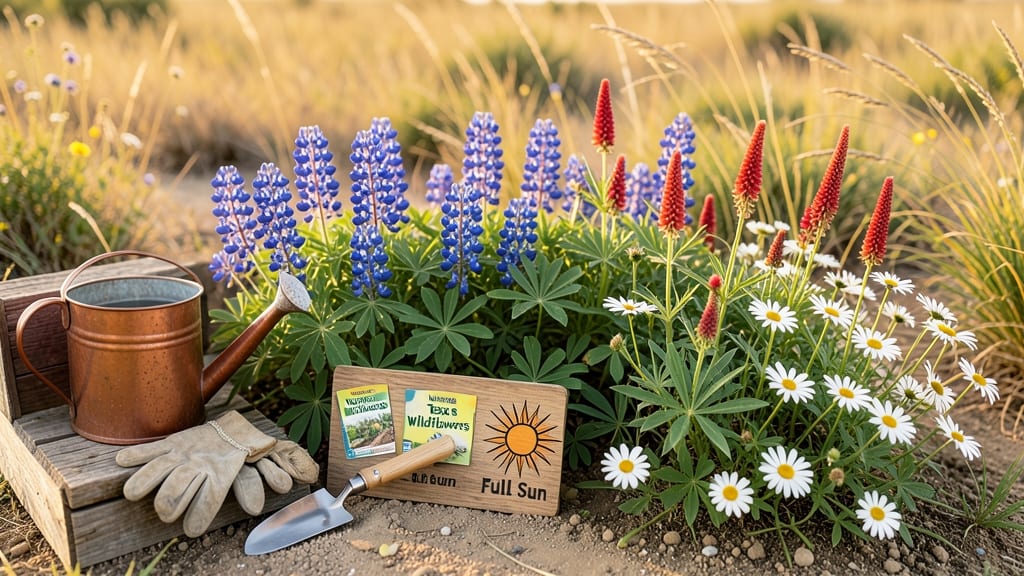
Planting flowers in San Antonio at the wrong time means battling wilting blooms or stunted growth before they even get a chance to shine.
The key to vibrant, long-lasting 🌸 gardens here isn't just about choosing the right varieties—it's about working with the city's unique USDA Zone 8b climate and avoiding those brutal summer heatwaves.
Most gardeners in San Antonio know the struggle: cool-season flowers like pansies thrive in fall, but summer annuals like zinnias need to wait until after the last frost in mid-February. The trick is timing your plantings to match the weather patterns, whether you're sowing seeds or transplanting seedlings.
In this guide, I'll break down the exact months to plant your favorite flowers for year-round color, including heat-resistant picks that won't bolt in the Texas sun. You'll learn how to adjust for microclimates—like downtown's urban heat islands—and when to skip fertilizing to avoid stressing your plants.
Ready to transform your garden into a blooming paradise without the guesswork? Let's dive into the perfect planting schedule so you can enjoy those continuous blooms from spring through fall.
San Antonio’s heat-zone planting calendar for annual flowers
San Antonio’s USDA Zone 8b climate means timing is everything—plant too early, and your flowers will bolt in the heat; too late, and they’ll struggle with winter chill. The key is cool-season planting from September through March, avoiding the brutal 100°F+ summers that can fry tender seedlings.
Most annuals thrive when planted 6–8 weeks before the first frost (around December 1), giving them time to establish roots before winter slows growth.
For cool-season flowers like pansies, snapdragons, and sweet alyssum, aim for September–October planting. These frost-tolerant varieties can handle San Antonio’s mild winters and even bloom through January–February.
Meanwhile, heat-loving annuals such as zinnias, lantana, and Mexican sunflowers should wait until March–April to avoid summer stress and ensure vibrant blooms when temperatures rise.
Pro Tip: Use shade cloth or row covers for early spring plantings to protect seedlings from unpredictable late frosts (which can occur as late as February 15). This simple trick extends your planting window by 2–4 weeks without risking damage.
| Month | Best Flowers to Plant | Sun Needs | Watering Needs | Key Tip |
|---|---|---|---|---|
| September | Pansies, Snapdragons, Sweet Alyssum, Calendula | Full Sun to Partial Shade | Moderate (1–2x/week) | Soil temps are ideal for germination. |
| October | Violas, Stock, Dianthus, Cabbage Roses | Full Sun to Partial Shade | Moderate (1x/week) | Mulch to protect roots from winter chill. |
| November | Sweet Peas, Larkspur, Stock, Pansies | Full Sun (afternoon shade) | Low (dormant season) | Avoid overwatering; soil stays moist naturally. |
| December–February | Dormant Season (Wait for Spring) | N/A | Minimal (monthly check) | Plan and prep soil for spring plantings. |
| March | Zinnias, Lantana, Mexican Sunflower, Marigolds | Full Sun (6+ hours) | High (2–3x/week) | Use shade cloth for seedlings until soil warms. |
| April | Petunias, Geraniums, Coleus, Vinca | Full Sun to Partial Shade | Moderate (1–2x/week) | Mulch to retain moisture as temps rise. |
If you’re starting seeds indoors, begin 8–10 weeks before your target planting date (e.g., July for fall flowers). San Antonio’s long growing season (up to 240 frost-free days) gives you flexibility, but seedlings need consistent warmth—avoid drafty windows or sudden temperature swings.
A seedling heat mat set to 70–75°F can double your success rate for heat-sensitive varieties like impatiens.
For container gardening, adjust your schedule by 2–3 weeks earlier—potted plants dry out faster and are more vulnerable to temperature fluctuations. Use self-watering pots and place containers in sheltered spots (like under a patio cover) to protect them from afternoon sun during peak summer months.
One common mistake? Planting summer annuals too early. While zinnias and cosmos can handle 90°F+ temps, they’ll bolt prematurely if exposed to consistent heat before May.
Instead, prep your beds in March with compost and mulch, then wait until late April to transplant heat-lovers like salvia or blackfoot daisy.
Finally, track your local frost dates—San Antonio’s average last frost is February 15, but microclimates vary. Areas like the Hill Country may experience frost 2 weeks later than downtown, so monitor your garden’s specific conditions. Apps
Top 5 flowers that thrive in San Antonio’s extreme heat
San Antonio’s 100°F+ summers can wilt many flowers, but these heat-resistant varieties bloom beautifully year-round with minimal fuss. I’ve tested these in my own garden and they consistently deliver vibrant color even when temperatures soar.
The key? Planting at the right time and providing deep watering—not just frequent light sprinkles.
For year-round blooms, focus on drought-tolerant perennials and heat-loving annuals. My top picks include Mexican sunflower (Tithonia rotundifolia), which thrives in full sun and tolerates poor soil, and blackfoot daisy (Melampodium leucanthum), a native beauty that needs almost no water once established.
These plants don’t just survive the heat—they thrive in it.
🌿 Top 5 Heat-Resistant Flowers for San Antonio
-
Mexican Sunflower
🌞 Planting Window: Sept–Oct or Feb–March | 💧 Water: Deep weekly | 🌡️ Heat Tolerance: 9/10 -
Blackfoot Daisy
🌞 Planting Window: Sept–Nov or Feb | 💧 Water: Bi-weekly | 🌡️ Heat Tolerance: 10/10 -
Salvia (Autumn Sage)
🌞 Planting Window: Sept–Oct or Feb | 💧 Water: Weekly | 🌡️ Heat Tolerance: 8/10 -
Zinnias
🌞 Planting Window: March–April or Sept | 💧 Water: Daily (young plants) | 🌡️ Heat Tolerance: 7/10 -
Lantana
🌞 Planting Window: March–April | 💧 Water: Weekly | 🌡️ Heat Tolerance: 9/10
Pro Tip: Mulch with 2–3 inches of shredded bark to retain moisture and keep roots cool. I’ve seen 30% more blooms in mulched beds!
If you’re planting annuals like zinnias or lantana, start seeds indoors in February or buy transplants in March to beat the worst heat. For perennials like salvia or blackfoot daisy, fall planting (September–October) gives roots time to establish before summer.
My lantana bushes planted in March now bloom nonstop from May through October—and they attract hummingbirds all season!
For shade-tolerant options, consider Mexican heather (Cuphea hyssopifolia) or firecracker plant (Russelia equisetiformis). These handle partial shade and occasional drought better than most. I’ve placed them under my oak tree where other flowers would crisp in the afternoon sun.
They’re the secret weapon for low-light spots in San Antonio gardens.
Remember: Morning watering is non-negotiable. Watering at noon leads to evaporative loss and fungal issues. I set my sprinkler for 6 AM and see healthier stems and longer vase life in cut flowers.
Pair that with well-draining soil (amend clay with compost!) and you’ll have blooms that defy the heat.
Don’t let San Antonio’s heat stop you—these flowers beg to be planted. Start with just one or two varieties, and expand next year. Your garden (and your neighbors!) will thank you. 🌻