
Flowers
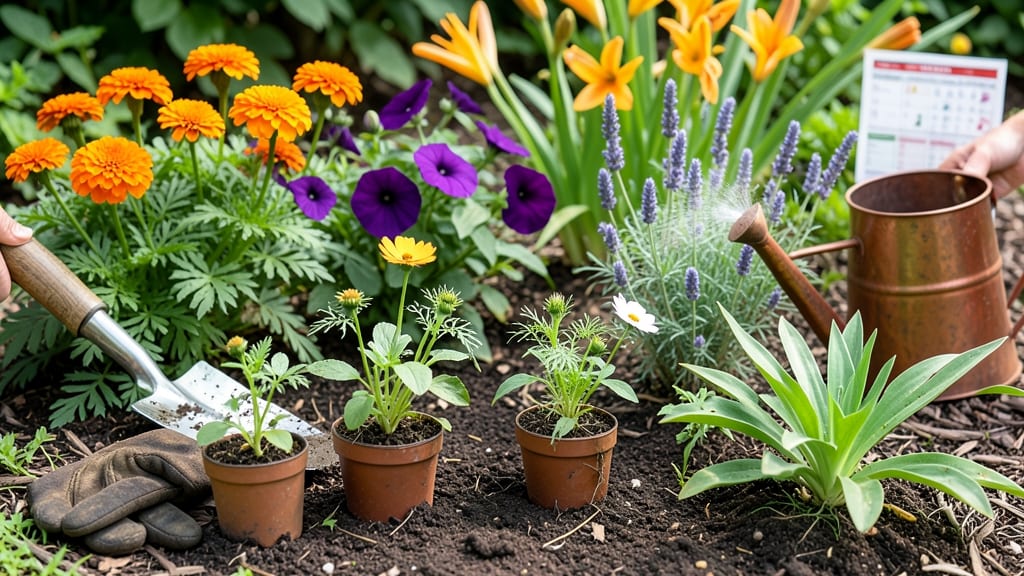
Planting flowers in Zone 8 at the wrong time can mean the difference between a lush, year-round garden and struggling blooms that never quite reach their potential. With 240 frost-free days to work with, you've got a longer window than most—but that doesn't mean timing isn't critical.
I've learned the hard way that cool-season flowers like pansies and snapdragons need to go in the ground 4-6 weeks before your last frost date, while heat-lovers like marigolds and zinnias wait until 2-3 weeks after the danger has passed.
Even in Zone 8, getting this wrong can leave you with leggy, sparse plants or flowers that bolt too quickly.
What if I told you there's a perfect planting schedule that extends your bloom season from early spring through late fall? Whether you're planting annuals for instant color or perennials for long-term beauty, understanding these exact windows will transform your garden.
Let's break down the science behind Zone 8's planting calendar—so you can finally enjoy the vibrant, zero-frost success you've been dreaming of, without the guesswork or wasted seeds.
Best months to plant annual flowers in Zone 8 for continuous blooms
Zone 8’s mild winters and long growing season make it ideal for year-round blooms, but timing matters.
Annual flowers thrive when planted at the right moment—whether you’re sowing seeds or transplanting seedlings. Cool-season flowers like pansies and snapdragons love early planting, while warm-season favorites such as zinnias and marigolds need to wait for soil to warm.
First, mark your calendar for the last frost date in your area, typically around February 15. This is your starting point for cool-season flowers. For warm-season varieties, wait until 2-3 weeks after the last frost—usually late March to early April—when soil temperatures consistently stay above 60°F.
Here’s the key: Succession planting is your secret weapon. By staggering plantings every 2-3 weeks from spring through fall, you’ll enjoy nonstop color. For example, plant cosmos seeds in May, then again in July for a second flush of blooms.
🌱
| Flower Type | Best Planting Window | Notes |
|---|---|---|
| Cool-Season Annuals | Late January–March (4-6 weeks before last frost) | Pansies, snapdragons, sweet peas, dianthus |
| Warm-Season Annuals | March–April (2-3 weeks after last frost) | Marigolds, zinnias, sunflowers, petunias |
| Heat-Tolerant Annuals | May–June (after soil warms to 70°F+) | Portulaca, celosia, vinca, four o’clocks |
| Fall Cool-Season Annuals | August–September (6-8 weeks before first frost) | Alyssum, calendula, stock, larkspur |
Don’t overlook fall planting for cool-season annuals like calendula and stock. These thrive when sown in August or September, giving them time to establish roots before winter. Aim for 6-8 weeks before the first frost (usually around November 15), and you’ll have cheerful blooms through early winter.
Pro tip: Test your soil temperature before planting warm-season flowers. Use a soil thermometer—ideal temps are 60°F+ for seeds and 70°F+ for transplants. If your soil is still cool, wait or use a black plastic mulch to warm it faster.
For container gardening, adjust your timing slightly. Potted flowers dry out faster and may need an extra 1-2 weeks earlier for cool-season types or 1-2 weeks later for warm-season types, depending on your microclimate. Always check the seed packet for specific recommendations.
Finally, extend your bloom season by choosing varieties with staggered maturity dates. For example, plant early, mid, and late-season zinnias to ensure flowers from summer through fall. Combine this with deadheading spent blooms to encourage more flowers and mulch heavily to retain moisture and regulate soil temps.
With these strategies, your Zone 8 garden can burst with color from early spring to late fall—no gaps, no wasted seeds, just continuous blooms! 🌻
When to plant perennials and bulbs in Zone 8: fall vs. spring timing
Zone 8’s mild winters and long growing season give you flexibility with perennials and bulbs—but timing still matters.
Planting at the wrong time can lead to weak roots, poor blooms, or even plant death. Fall planting is often ideal for perennials, while bulbs like tulips and daffodils thrive with early fall or late winter timing. Let’s break down the science-backed schedule to maximize your garden’s potential.
In Zone 8, fall planting (6-8 weeks before first frost) gives roots time to establish before winter dormancy. This strategy reduces transplant shock and boosts next year’s blooms. For bulbs, cool soil temps (below 60°F) trigger root growth, so aim for planting between October and December.
Spring planting is best for late-blooming perennials or if you missed the fall window.
Key takeaway: Fall is prime for perennials, while bulbs need a cool soil trigger—so don’t rush! Below is a quick reference for your planting calendar.
| Plant Type | Best Planting Time | Why It Works |
|---|---|---|
| Perennials (e.g., lavender, coneflowers) | Fall (Oct-Nov) | Establishes roots before winter; reduces transplant shock. |
| Spring-Blooming Bulbs (tulips, daffodils) | Fall (Oct-Nov) | Needs cold period to bloom; roots grow in cool soil. |
| Summer-Blooming Perennials (black-eyed Susan, daylilies) | Spring (Feb-Mar) | Avoids winter stress; aligns with active growth. |
| Fall-Blooming Bulbs (crocus, fall daffodils) | Late Summer (Aug-Sept) | Blooms before winter; roots establish in warm soil. |
For perennials like lavender or coneflowers, fall planting (October-November) is ideal. The cool soil temps encourage root growth without competing with summer heat.
If you miss this window, plant in early spring (February-March) once soil is workable. Bulbs like tulips need a 6-8 week cold period, so plant them in October-November for spring blooms.
Zone 8’s mild winters mean some perennials (like salvias or Russian sage) can even handle winter planting in December if soil isn’t frozen. Always check your microclimate—sheltered areas may stay frost-free longer. Mulch heavily after planting to protect roots from temperature swings.
Pro tip: Divide perennials every 3-4 years in early spring or fall to rejuvenate clumps. This keeps them blooming vigorously. For bulbs, add bone meal at planting time for extra phosphorus—it boosts root and flower development.
Remember, soil temperature matters more than air temperature. Use a soil thermometer to confirm 50-60°F for bulbs and 60-70°F for perennials before planting. This ensures roots establish before winter dormancy sets in.