
Plants
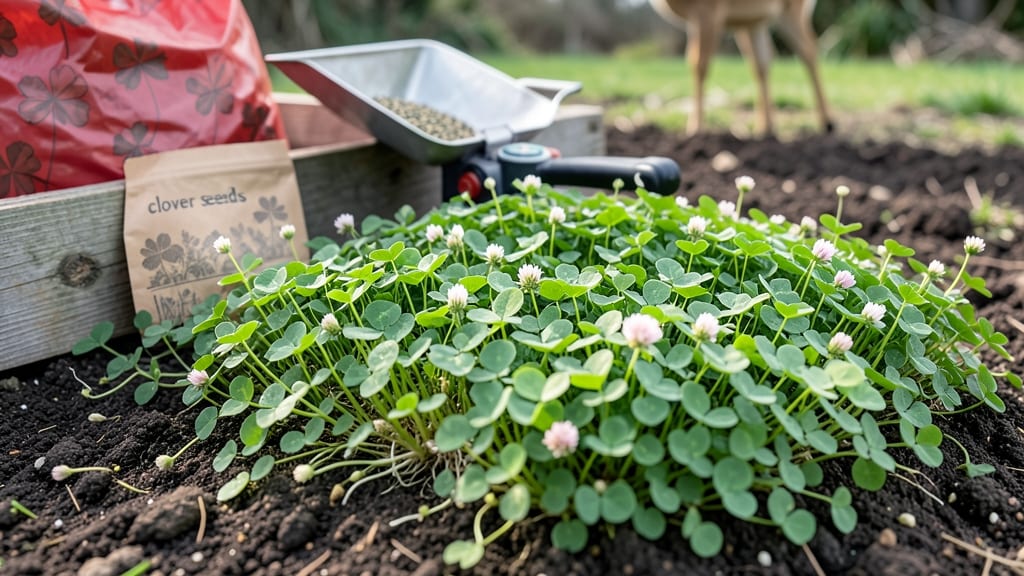
Planting your 🌱 food plots in Alabama at the wrong time means wasted effort—and hungry deer missing out on your hard work. The key isn’t just picking a month, but syncing with your zone’s last frost dates, soil warmth, and deer behavior to create a year-round buffet.
In USDA zones 7a-8b, your best windows are late winter to early spring (February-March) for cool-season crops and late summer to early fall (August-September) for warm-season mixes. But timing isn’t one-size-fits-all—soil temps below 60°F can stall germination, while planting too late risks frost damage.
I’ll break down exactly when to plant each crop—whether it’s clover for spring greens or brassicas for fall rut season—plus how to avoid common mistakes that leave your plots struggling. Ready to turn your land into a deer magnet?
Let’s dive into the zone-specific schedule that’ll have whitetails visiting your food plots all year, not just during hunting season.
Alabama’s best food plot planting months by USDA zone (with deer activity peaks)
Alabama’s diverse USDA hardiness zones (6A-8B) mean your food plot timing depends heavily on where you’re planting. In northern Alabama (6A-7A), cooler springs and falls require earlier plantings, while southern Alabama (7B-8B) offers longer growing seasons.
The key is planting when soil temperatures hit 60°F for warm-season crops or 50°F for cool-season mixes, aligning with deer foraging patterns.
For spring plantings, aim for February to early March in northern zones and March to April in southern regions. This gives plants time to establish before summer heat.
Fall plantings should occur 8-10 weeks before first frost (typically late August to mid-September), ensuring forage is available during deer’s peak rut in October-November.
Here’s how your zone impacts planting windows:
| USDA Zone | Spring Planting Window | Fall Planting Window | Deer Activity Peak |
|---|---|---|---|
| 6A-7A (North AL) | Late Feb - Early Mar | Late Aug - Early Sep | Oct-Nov (Rut Season) |
| 7B (Central AL) | Early Mar - Mid-Apr | Mid-Aug - Late Sep | Oct-Nov (Extended Rut) |
| 8A-8B (South AL) | Mid-Mar - Early Apr | Sep - Early Oct | Sep-Nov (Longer Foraging) |
Soil temperature is your best indicator for planting. Use a soil thermometer to confirm 60°F+ for warm-season crops like sorghum or 50°F+ for cool-season crops like clover. In Alabama, northern zones may need 2-3 weeks earlier than southern zones for the same crop.
For warm-season food plots, plant after your last frost date (typically mid-March in north AL to early March in south AL). Brassicas (turnips, radishes) thrive when planted in early fall (August-September), while clover mixes can handle spring or fall plantings but prefer cooler temperatures.
Pro tip: Check Alabama’s Alabama Cooperative Extension System for local frost dates and soil reports. Their free soil tests can reveal pH imbalances that stunt growth—6.0-7.0 is ideal for most food plot crops. Adjust with lime (to raise pH) or sulfur (to lower pH) before planting.
Timing also affects deer attraction. Plant clover in spring for early-season forage, then brassicas in fall to extend the feeding window. Warm-season mixes like sorghum-sudangrass provide summer nutrition when other plots fade.
Remember: Overlapping plantings (e.g., clover + brassicas) create a continuous forage buffet that keeps deer visiting year-round. Start with small test plots to refine your timing before committing to large acreages.
🌱
Alabama’s best food plot planting months by USDA zone (with deer activity peaks)
Alabama’s USDA zones 7A-8B create two prime windows for food plot planting: spring and fall. The key is aligning your planting with soil temperatures (60°F+ for warm-season crops) and deer behavior—whitetails hit food plots hardest during rut season (October-November) and fawn rearing (May-June).
For cool-season crops like clover and brassicas, aim for late winter to early spring (February-March) or late summer to early fall (August-September). Warm-season mixes (like sorghum) thrive when planted after last frost (mid-March) and before first frost (mid-November).
🌱 Alabama Food Plot Planting Timeline by Zone
| USDA Zone | Spring Planting Window | Fall Planting Window | Deer Activity Peak |
|---|---|---|---|
| 7A (North AL) | Feb 15 - Mar 15 | Aug 1 - Sep 15 | Oct-Nov (rut) & May-Jun (fawns) |
| 7B (Central AL) | Mar 1 - Apr 1 | Aug 15 - Oct 1 | Oct-Nov (rut) & May-Jun (fawns) |
| 8A (South AL) | Mar 15 - Apr 15 | Sep 1 - Oct 15 | Sep-Oct (pre-rut) & Jun-Jul (fawns) |
| 8B (Southeast AL) | Apr 1 - Apr 30 | Sep 15 - Nov 1 | Sep-Oct (pre-rut) & Jun-Jul (fawns) |
⚠️ Pro Tip: Use a soil thermometer—warm-season crops need 60°F+ soil for germination.
In USDA Zone 7A (northern AL), plant clover mixes by March 15 to ensure they establish before summer heat. For Zone 8B (southern AL), extend fall plantings to October 15 to capitalize on pre-rut feeding frenzies.
Always check local frost dates—Alabama’s first frost can arrive as early as October 15 in the north but often waits until November 15 in the south. Plant 6 weeks before frost for cool-season crops to mature fully.
For year-round success, rotate crops: plant warm-season mixes (August) for fall/winter forage, then cool-season clover (February) for spring growth. This keeps deer visiting 12 months a year.