
Trees
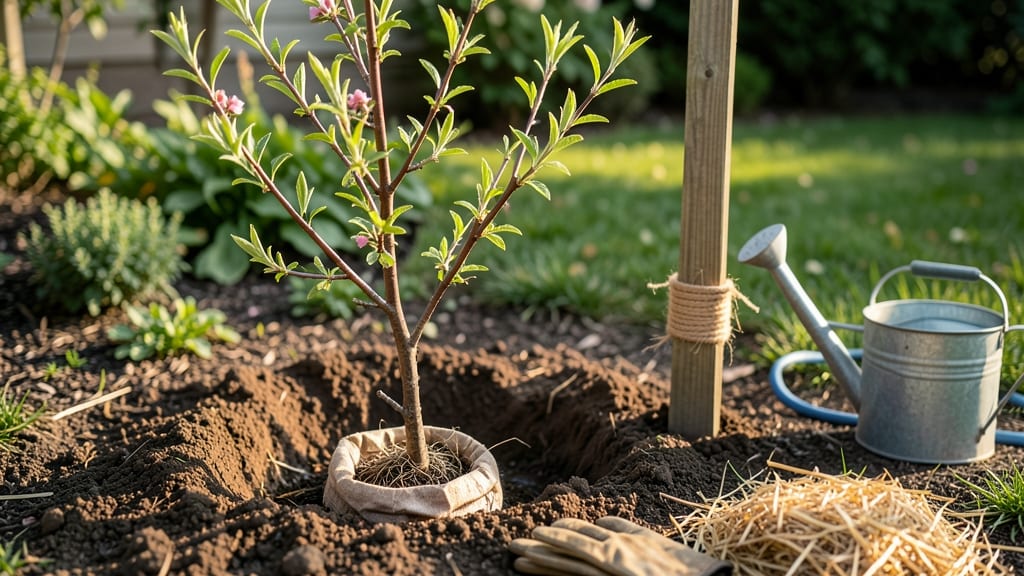
Timing your fruit tree planting in Kentucky wrong could mean waiting years for that first harvest—or worse, watching your investment wither before it even takes root. The state’s Zone 6-7 climate demands precision, especially with chill-hour needs that vary wildly between apple varieties and peaches.
I’ve seen firsthand how a spring planting in April can give roots a head start before summer heat, while fall’s cooler temps let trees establish deeper before winter.
But skip the late-summer rush—those 90-degree days stress young trees before they’re ready. Let’s break down the exact windows that work for Kentucky’s soil and frost patterns.
You’ll also discover how to prep your site for maximum success, from testing soil pH to choosing the right tree size for your space. Whether you’re dreaming of a backyard orchard or just a single dwarf apple tree, these tips will save you time, money, and frustration.
Ready to plant with confidence? I’ll walk you through the best months, top varieties for Kentucky, and the one mistake that kills more trees here than anything else. Let’s get those roots in the ground the right way.
Best planting months for Kentucky fruit trees by chill-hour needs
Kentucky’s Zone 6-7 climate creates a unique challenge for fruit tree growers—balancing chill-hour requirements with optimal planting windows. High-chill varieties (like peaches and apples) need 600+ hours below 45°F, while low-chill types (such as figs or muscadines) thrive with 300-500 hours.
Planting at the wrong time can stunt growth or prevent fruiting entirely.
For bare-root trees, the best time is late fall (November) or early spring (March-April), when soil is cool but workable. Container-grown trees, however, can be planted throughout the growing season (April-October), as long as they’re established before first frost.
Kentucky’s average last frost date ranges from mid-April in northern zones to early April in southern regions.
Timing matters because root establishment happens fastest when soil temperatures hover between 40°F and 60°F. Planting too early (like February) risks frost heave, while waiting until June may stress trees before winter dormancy. The key is aligning your chill-hour variety with Kentucky’s winter cold snap patterns.
🌱
| Planting Window | Chill-Hour Range | Soil Temp (°F) | Best For | Kentucky Zone |
|---|---|---|---|---|
| Late November | 600+ hours | 40-50°F | Bare-root apples, peaches | 6-7 (all) |
| March-April | 300-600 hours | 50-60°F | Container-grown pears, plums | 6 (north) / 7 (south) |
| April-May | 300-500 hours | 60-70°F | Low-chill figs, muscadines | 7 (south) |
| September-October | All ranges | 55-65°F | Bare-root cherries, late-season plantings | 6-7 (all) |
Spring planting (March-April) is ideal for container-grown trees because roots can establish before summer heat arrives. This works especially well for low-chill varieties like muscadine grapes or figs, which don’t need deep winter dormancy.
For high-chill apples, however, fall planting gives roots time to harden off before Kentucky’s first frost, typically hitting mid-October in northern zones.
Another critical factor is soil moisture. Kentucky’s clay-heavy soils in western regions (like Paducah) drain poorly, while eastern areas (such as Lexington) have faster-draining loam. Amend your soil with compost or sand to improve drainage, especially if planting in spring when evaporation rates spike.
A moisture meter helps track ideal 40-60% soil moisture during root establishment.
Pro tip: If you’re planting bare-root trees in fall, soak roots for 2-4 hours before planting to revive dormant roots. For container-grown trees, trim any circling roots to encourage outward growth.
Both methods boost survival rates in Kentucky’s variable microclimates, where urban heat islands can push temperatures 5-10°F higher than rural areas.
🌿
For peach and cherry trees, which are sensitive to late spring frosts, avoid planting in January or February. These months often bring freeze-thaw cycles that damage tender roots. Instead, opt for November plantings, which align with Kentucky’s natural dormancy period.
Even if you miss the ideal window, container-grown trees can be planted up to June, as long as you provide consistent watering and shade cloth during heatwaves.
One common mistake is ignoring local frost dates. Use the Kentucky Mesonet or Old Farmer’s Almanac to track last frost dates in your specific county. For example, Bowling Green (Zone 7a) has a later last frost (April 15) than Paducah (Zone 7b) (April 1).
Planting too early in northern Kentucky risks frost damage to new growth, while delaying in southern zones may stress trees before winter.
Finally, consider tree size when choosing your planting window. Dwarf varieties (like columnar apples) establish faster and can handle spring plantings better than standard-size trees, which need more time to root. Pair your chill-hour match with the right tree size for your Kentucky property to maximize success.
Best planting months for Kentucky fruit trees by chill-hour needs
Kentucky’s Zone 6-7 climate creates a tight window for planting fruit trees—too early and frost zaps young roots, too late and summer heat stresses them. The key? Matching your tree’s chill-hour needs with Kentucky’s frost-free periods.
High-chill varieties (600+ hours) like apples need the cooler fall, while low-chill peaches (300-500 hours) can handle spring’s warmer start.
For fall planting, aim for late October through November when soil temps drop to 50-60°F. This gives roots 6-8 weeks to establish before winter dormancy. Spring planting works best in March-April, once soil thaws but before bud break (usually mid-April in most of Kentucky).
Bare-root trees planted in fall often outperform container-grown ones in spring because they avoid transplant shock during heat waves.
Here’s how Kentucky’s frost patterns affect your timing: Northern counties (Zone 6) have 100-120 frost-free days150-180 days. Use this to adjust—plant peaches in Zone 7’s longer spring, but stick to fall for apples in Zone 6’s shorter season.
| Planting Window | Chill-Hour Range | Soil Temp | Kentucky Zone Fit |
|---|---|---|---|
| Late October - November | 600+ hours | 50-60°F | Zone 6-7 (Apples, Pears) |
| March - Early April | 300-500 hours | 45-55°F | Zone 7 (Peaches, Plums) |
| Avoid May-June | All varieties | Above 70°F | High transplant shock risk |
Pro tip: Test your soil’s drainage before planting—Kentucky’s clay-heavy soils need amending with compost or sand. A simple percolation test (pour water, time drainage) will save you from root rot. I’ve seen too many trees fail because growers ignored this step, assuming “Kentucky soil” was uniform across the state.
For container-grown trees, spring planting is safer because their roots are already established. But if you’re planting bare-root, fall gives roots time to harden off before winter. Just remember: Never plant when soil is frozen—even in Zone 7, late November can bring surprises.
Your first frost date (usually late November in northern KY, December in southern) is your deadline for fall planting. Use local Cooperative Extension Service data or apps like PlantMaps to pinpoint your exact window.
Timing is everything—get it right, and your trees will reward you with fruit in 3-5 years.