
Trees
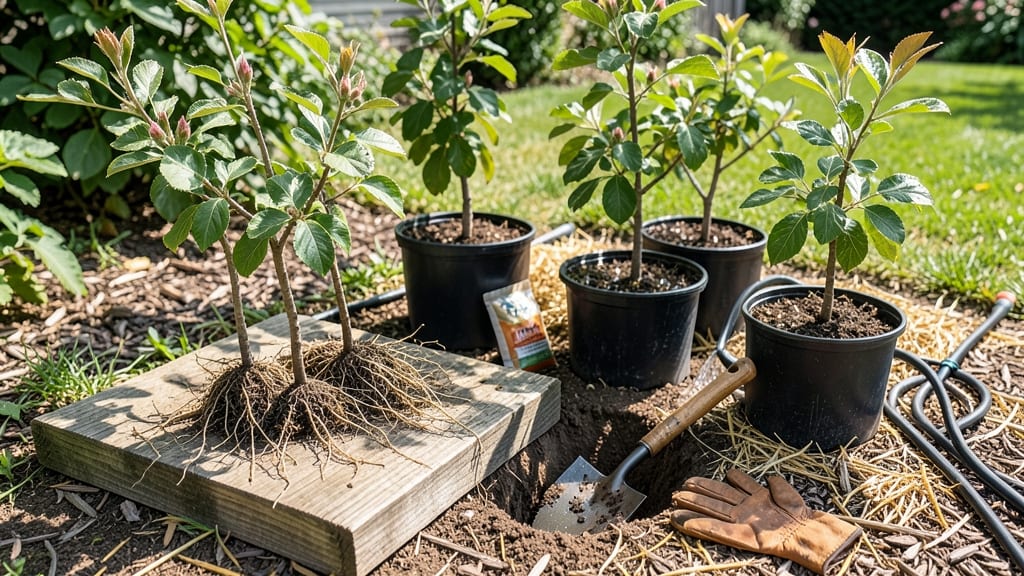
Planting fruit trees at the wrong time in New Zealand can mean the difference between a thriving orchard and years of disappointment. With four distinct climate zones—from subtropical Northland to alpine Southland—getting the timing right is everything.
Whether you're growing apples in Gisborne or peaches in Nelson, matching your tree to the local heat zones and chill-hour needs is the key to success.
Most gardeners assume spring is the only planting window, but that’s not always true. In warmer regions like the Bay of Plenty, autumn planting gives young trees a head start before summer heat.
Meanwhile, cooler areas like Central Otago need to wait until after the last frost to avoid root damage. I’ll break down the exact months for bare-root vs. container-grown trees, so you can plant with confidence.
What if you missed the ideal window? Don’t panic—there are still ways to salvage your planting. We’ll cover soil prep tricks, frost protection tips, and how to tell if your tree is ready to thrive in its new home.
By the end, you’ll know exactly when to dig, where to place your tree, and how to give it the best start for a bountiful harvest.
The right timing isn’t just about months—it’s about understanding your microclimate. From urban heat islands to coastal breezes, every garden has its own rhythm. Let’s make sure your fruit trees grow strong, healthy, and full of flavor, no matter where you live in New Zealand.
New Zealand’s fruit tree planting calendar by region & chill-hour needs
New Zealand’s climate varies dramatically from the subtropical North Island to the cooler South Island, making planting timing critical for fruit tree success. Apples and pears thrive in high-chill zones (like Nelson or Central Otago), while peaches and nectarines prefer low-chill areas (like Auckland or Tauranga).
Spring and autumn are the ideal windows, but frost risks and soil temperatures shift by region.
For North Island regions (e.g., Waikato, Bay of Plenty), aim to plant bare-root trees in autumn (March-May) or container-grown trees in early spring (August-September). Soil temperatures above 10°C (50°F) signal readiness.
In contrast, South Island zones (e.g., Canterbury, Otago) often wait until late autumn (April-May) to avoid early frosts that can damage young roots.
Chill-hour requirements are non-negotiable—apples need 500+ chill hours, while peaches may only require 200-300 hours. Mismatch these needs, and you’ll end up with poor flowering or no fruit. Always check the chill-hour label on your tree before planting.
🌱
| Region | Best Planting Window | Chill-Hour Match | Frost Risk | Soil Prep Time |
|---|---|---|---|---|
| North Island (Auckland, Waikato) | Autumn (March-May) or Spring (Aug-Sept) | Low-chill (200-400 hrs) | Low (except hills) | Feb-March |
| North Island (Hawke’s Bay, Gisborne) | Autumn (April-May) | Medium-chill (400-600 hrs) | Moderate (spring frosts) | March-April |
| South Island (Canterbury, Otago) | Late Autumn (April-May) | High-chill (600+ hrs) | High (winter frosts) | April-May |
| Subtropical (Bay of Plenty, Northland) | Spring (Aug-Sept) | Very low-chill (0-200 hrs) | Minimal | July-August |
In subtropical zones like Northland or the Bay of Plenty, spring planting (August-September) is ideal for low-chill varieties such as peaches or plums. These areas rarely experience frost, so you can plant container-grown trees almost year-round—but avoid extreme heatwaves when roots struggle to establish.
For high-chill regions like Canterbury or Central Otago, late autumn (April-May) minimizes frost damage to emerging roots. Always plant before the first consistent frosts (typically late May in these areas). Use frost blankets if planting earlier, but aim for soil temps above 8°C (46°F) for root growth.
Soil preparation is just as critical as timing. Work in compost or well-rotted manure 4-6 weeks before planting to improve drainage and fertility. In heavy clay soils (common in South Island regions), amend with gypsum or sand to prevent waterlogging, which stunts root development.
Container-grown trees offer flexibility—plant them anytime the soil isn’t frozen, but prioritize spring or autumn for best results. Bare-root trees, however, must be planted while dormant (autumn for most regions) to avoid transplant shock. Always soak bare roots in water for 1-2 hours before planting to rehydrate them.
🌿
After planting, mulch heavily (10cm deep) with straw or wood chips to retain moisture and regulate soil temperature. Water deeply once a week for the first month, then taper to every 2 weeks once established.
Avoid overhead watering to prevent fungal diseases like powdery mildew, which thrives in damp foliage.
Monitor your tree’s progress with regular checks. New growth in spring signals successful establishment, while yellowing leaves may indicate overwatering or poor drainage. Adjust care based on your region’s microclimate—urban areas often stay warmer than rural zones, affecting both frost risks and soil warmth.
How to match fruit trees to your local heat zone & microclimate
New Zealand’s climate varies dramatically from the subtropical warmth of Northland to the cool alpine zones of Central Otago. This means your choice of fruit tree—and its planting timing—depends entirely on your local heat zone.
For example, a high-chill apple variety like 'Granny Smith' won’t thrive in Auckland, while a low-chill peach like 'Redhaven' might struggle in Canterbury.
Start by checking your Plant & Food Research heat zone map. Most of New Zealand falls into zones 1-5, with zone 1 being the warmest and zone 5 the coolest. If you’re unsure, ask your local nursery for zone-specific recommendations.
For instance, Bay of Plenty (zone 2-3) is perfect for stone fruits like nectarines, while Wellington (zone 4-5) suits apples and pears with higher chill-hour needs.
Elevation also plays a role. A 100-meter increase can drop temperatures by 0.6°C, making hillside plantings riskier for frost-sensitive varieties. Urban areas can be 2-3°C warmer than rural zones due to the urban heat island effect, so adjust your chill-hour calculations accordingly.
For example, a low-chill variety might work in a city garden but fail in a nearby valley.
| Heat Zone | Chill-Hour Range | Best Fruit Trees | Planting Window |
|---|---|---|---|
| Zone 1 (Northland) | 0-200 hours | Citrus, olives, low-chill peaches | Autumn (March-April) |
| Zone 2 (Bay of Plenty) | 200-400 hours | Nectarines, apricots, figs | Spring (August-September) |
| Zone 3 (Auckland) | 400-600 hours | Apples, pears, cherries | Winter (June-July) |
| Zone 4 (Wellington) | 600-800 hours | High-chill apples, plums | Late Autumn (April-May) |
| Zone 5 (South Island) | 800+ hours | Crabapples, mountain ash | Early Spring (July-August) |
Microclimates can completely change your planting strategy. For example, a north-facing slope in Canterbury might be warm enough for stone fruits, while a south-facing valley could only support high-chill apples. Test your microclimate by planting a trial fruit tree for a year before committing to a full orchard.
Observe how it handles frost pockets, wind exposure, and summer heat stress.
If you’re in a transition zone (like Hawke’s Bay), blend varieties to cover different chill-hour needs. For instance, plant a low-chill peach near a high-chill apple to extend your harvest window.
Always check the chill-hour label on nursery tags—it’s the most critical factor in long-term success. A mis-matched variety won’t just fail to fruit; it can also die back in extreme cases.
Finally, consider container growing for small spaces or urban gardens. Dwarf varieties like 'Spencer' plum or 'Braeburn' apple thrive in pots and can be moved to warmer microclimates in winter. Just ensure your container has drainage holes and use a high-quality potting mix to prevent root rot.
With the right variety and timing, even a balcony in Auckland can yield homegrown fruit!