
Trees
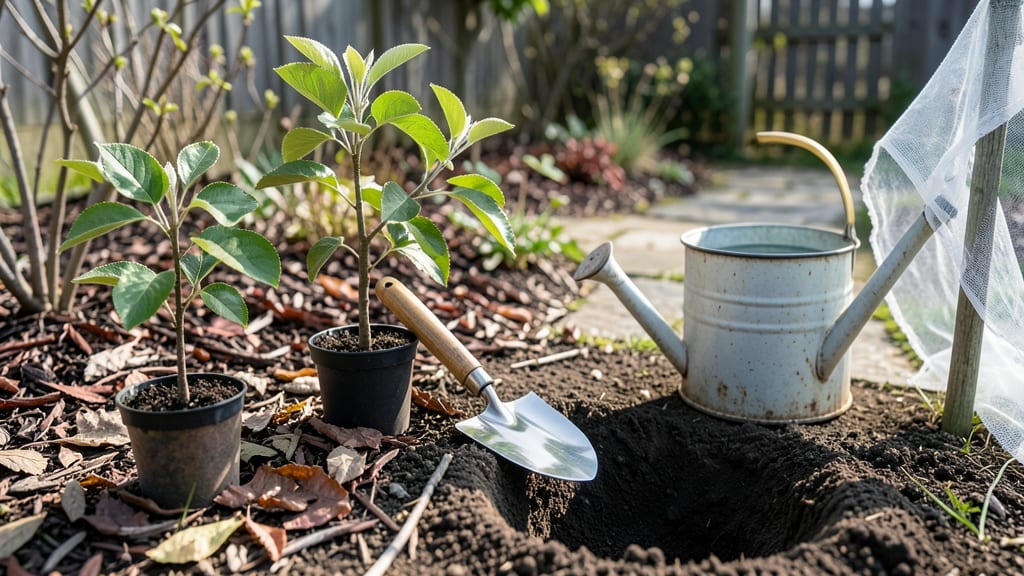
Planting your 🍎 fruit trees at the wrong time in Zone 6 could mean the difference between a thriving orchard and years of frustration—yet many gardeners still get it wrong.
With freezing winters and unpredictable springs, timing isn't just important; it's the foundation of success for varieties like apples, peaches, and cherries.
I’ve learned the hard way that rushing planting in early spring or waiting too long in fall can leave your trees vulnerable to late frosts or winter stress.
The key is understanding your last frost date—typically mid-April in Zone 6—and choosing between early spring (March-April) or fall (September-October) planting, depending on your variety and soil conditions.
In this guide, I’ll break down the exact windows for planting bare-root vs. container-grown trees, how chill-hour requirements impact your choices, and the 5 most common mistakes that sabotage even well-intentioned gardeners. Whether you’re a first-time planter or a seasoned grower, these insights will help you avoid costly errors.
Ready to set your fruit trees up for a bountiful harvest? Let’s dive into the science—and the simple steps—behind planting them at the perfect moment for Zone 6’s climate.
Zone 6 planting timeline: frost-free deadlines by month for fruit trees
Zone 6’s unpredictable frost dates make timing critical for fruit trees. Plant too early, and late frosts can damage tender roots. Plant too late, and trees struggle to establish before winter.
The ideal window is just before bud break in early spring or after leaves fall in fall—but exact dates vary by microclimate.
In most of Zone 6, the last frost date typically falls between mid-April and early May, while the first frost arrives around mid-October. However, northern areas like Pennsylvania may see frost until May 15, while southern regions like Missouri can plant until late October.
Always check your local USDA Zone 6a/6b frost maps for precision.
| Month | Best Planting Time | Notes | Risk Level |
|---|---|---|---|
| February | Bare-root only | Dormant trees; soil must be workable | Low |
| March | Primary window (bare-root or container) | 2-3 weeks before last frost; avoid bud break | Medium |
| April | Container-grown only | After last frost; monitor for late frosts | High |
| September | Fall planting (bare-root or container) | 6-8 weeks before first frost; soil >40°F | Low |
| October | Southern Zone 6 only (container) | Before ground freezes; mulch heavily | Medium |
For bare-root trees, the dormant season (November–March) is ideal. These trees establish roots quickly in cool, moist soil. Plant them as soon as you receive them, then water deeply to encourage root growth before buds swell.
In Zone 6a (colder), aim for March 1–15; in Zone 6b (warmer), you can extend to April 1.
Container-grown trees are more flexible but require soil temperatures above 40°F. They can handle spring planting until mid-April, but avoid planting after buds break—new growth is frost-sensitive. If you miss spring, fall planting (September–October) is your next best option, provided the tree has 6–8 weeks to establish roots before winter.
Southern Zone 6 gardeners (e.g., Kentucky, Missouri) can push fall planting into early November, but northern areas (e.g., Pennsylvania, Wisconsin) should finish by October 15. Use mulch (4–6 inches of wood chips) to insulate roots and protect against winter temperature swings.
Pro tip: If your area has late frosts (common in Zone 6), opt for container-grown trees in spring. You can delay planting until after May 1 if needed, but be prepared to water deeply to compensate for slower root establishment in warmer soil.
For peach and plum trees, which are frost-sensitive, avoid planting in April unless you’re in the southern half of Zone 6.
Instead, choose fall planting (September) to give roots time to harden before winter. Apple and cherry trees, with deeper root systems, tolerate spring planting better but still benefit from fall prep (e.g., digging the hole, amending soil).
🌿 Remember: The soil temperature, not air temperature, determines planting success. Use a soil thermometer—ideal temps are 40–60°F
How chill-hours affect fruit tree variety selection in Zone 6
Zone 6’s 600–900 chill-hours (temperatures below 45°F) determine which fruit tree varieties will thrive in your yard. If you plant a peach tree needing 800+ chill-hours but only get 700, you’ll likely see poor fruit set—or worse, no harvest at all.
The key is matching chill-hour requirements to your local climate.
For example, apple varieties like ‘Honeycrisp’ or ‘Fuji’ thrive in Zone 6 because they need 500–800 chill-hours. Meanwhile, peaches (e.g., ‘Elberta’) demand 800–1,000 chill-hours, making them riskier unless you’re in the warmer end of Zone 6b.
Always check the chill-hour range on the nursery tag or seed packet.
🍎 Chill-Hour Matchmaker for Zone 6
If you’re unsure about your local chill-hours, check your USDA Zone 6a/6b records or use a chill-hour calculator (many nurseries offer this tool). For instance, northern Pennsylvania often hits 800+ chill-hours, while southern Missouri may only reach 600–700.
This explains why some gardeners in Zone 6a struggle with peaches but thrive with apples.
Pro tip: Pair high-chill varieties with low-chill backups if your winters are inconsistent. For example, plant ‘Honeycrisp’ apples (700 chill-hours) alongside ‘Bonanza’ peaches (300 chill-hours) to hedge your bets. This diversity strategy ensures at least one tree will fruit well, even in mild winters.
Another critical factor is pollination. Many fruit trees (like apples and cherries) need cross-pollination from a different variety. Always plant at least two compatible trees within 50 feet of each other to guarantee fruit production. For example, pair ‘Honeycrisp’ apples with ‘Gala’ apples for optimal pollination.
Finally, young trees (under 3 years old) are more sensitive to chill-hour mismatches. If you’re in a warmer microclimate (e.g., near a lake or urban heat island), opt for low-chill varieties like ‘Lapins’ apples (300–400 chill-hours) or ‘Flamecrest’ peaches (300–400 chill-hours).
These adapt better to unpredictable winters while still yielding fruit.