
Trees
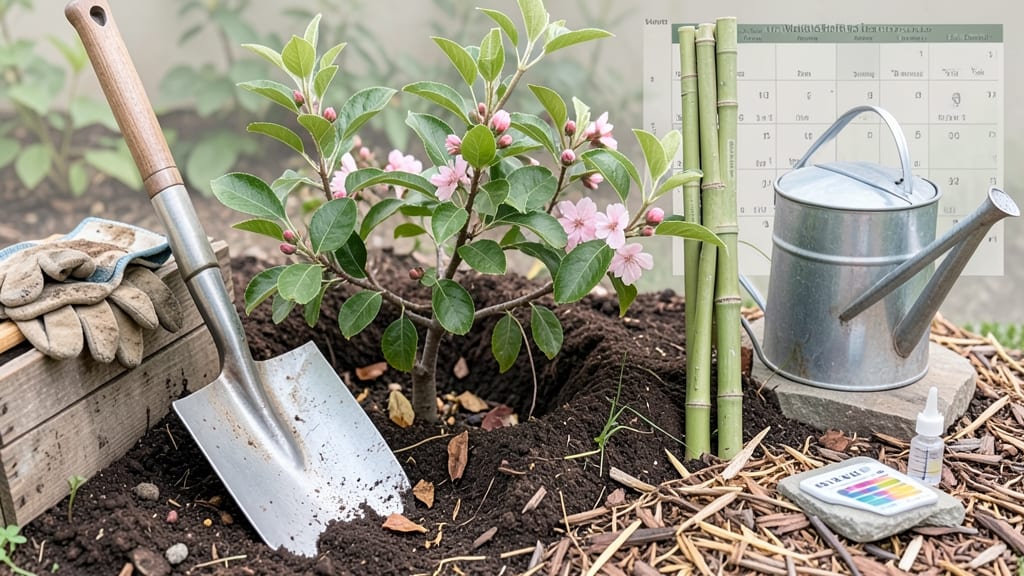
Planting fruit trees 🍎 in Washington State at the wrong time can turn your dream orchard into a frozen disappointment—especially when frost sneaks in and ruins tender new roots. The key isn’t just picking the right month, but matching your variety to the chill hours your region actually delivers.
Whether you're in the rainy Zone 6 of the Cascades or the sunnier Zone 8 of the Yakima Valley, timing matters more than you think.
Bare-root trees need cold dormancy before they wake up, while container-grown varieties can handle a later start—but get it wrong, and you’re staring at stunted growth or worse.
I’ve helped Washington gardeners avoid these mistakes for years, and the secret is simple: plant when the soil is workable but the air still has a bite. That means late winter to early spring for most varieties, or a crisp fall window if you’re in the milder western regions.
Ready to turn your backyard into a fruit-bearing paradise? Let’s break down the exact windows—plus the top varieties that thrive in your specific microclimate—so you can plant with confidence and harvest like a pro.
Best planting months for fruit trees in Washington by chill-hour zones
Washington State’s USDA hardiness zones 5b-9a create unique challenges for fruit tree planting. The key to success? Understanding chill hours—the number of hours below 45°F your tree needs to bloom properly.
Western WA (Zones 7-9) often gets 500-1,000 chill hours, while Eastern WA (Zones 5b-7) can exceed 1,500 chill hours. Planting at the wrong time risks frost damage or poor fruit set.
For most Washington fruit trees, the optimal planting window is late fall to early spring.
This gives roots time to establish before summer heat or winter frost stress. Bare-root trees (common in nurseries) thrive when planted in dormancy, while container-grown trees can handle fall planting better due to their established root systems.
Here’s how to match your fruit tree variety to Washington’s chill-hour zones and planting deadlines:
| Zone & Location | Chill Hours | Best Planting Months | Key Varieties |
|---|---|---|---|
| Western WA (Zones 7-9) | 500-1,000 hrs | Late November–March | Honeycrisp, Fuji, Rainier cherries |
| Eastern WA (Zones 5b-7) | 1,000-1,500+ hrs | September–April | Zestar!, Jazz apples, Montmorency cherries |
| Cascade Mountains (Zones 5b-6) | 1,200-1,800 hrs | October–March | Bing cherries, Golden Delicious, Asian pears |
In Western Washington, where mild winters limit chill hours, focus on low-chill varieties like Honeycrisp apples or Rainier cherries. Plant bare-root trees in late winter (February-March) to avoid soil heaving from freeze-thaw cycles. For container-grown trees, fall planting (September-October) works well, as roots establish before winter.
Eastern Washington’s harsher winters demand high-chill varieties like Zestar! apples or Montmorency cherries. Here, fall planting (September) is ideal—soil is still warm, and trees benefit from winter rains. Avoid planting after November; frost heave can uproot young trees before roots anchor.
Microclimates matter! Urban areas like Seattle or Spokane may have warmer pockets where low-chill varieties thrive, while rural highlands (e.g., Leavenworth) support high-chill stone fruits.
Always check local frost dates—Western WA’s last frost is typically March 15, while Eastern WA can see frost until May 1.
Soil prep is non-negotiable. Washington’s acidic, clay-heavy soils (especially in Western WA) need amendments like compost or sulfur to lower pH for apple and pear trees. Stone fruits (peaches, plums) prefer well-draining soil—add gravel or sand if your site holds water.
Test soil 2-3 weeks before planting to adjust pH and nutrients.
Watering strategy shifts with seasons. Newly planted trees need deep watering (15-30 gallons) every 7-10 days in spring/summer, but reduce frequency in fall/winter to prevent root rot.
Mulch with wood chips to retain moisture and regulate soil temperature. Avoid mulching too close to the trunk—keep a 3-inch gap to prevent rot.
Pro tip: Use tree guards in deer-heavy areas (common in Eastern WA). Deer can strip bark from young trees, stunting growth. For container planting, choose dwarf varieties like Columnar Honeycrisp—they thrive in large pots and adapt to urban spaces with 6+ hours of sun.
Top fruit tree varieties for Washington State and their ideal planting times
Washington State’s diverse microclimates mean not all fruit trees thrive equally. Chill-hour requirements (the number of hours below 45°F needed for dormancy) are critical—some varieties need 900+ hours, while others tolerate as few as 300 hours.
Choosing the right tree for your zone ensures healthy blooms and reliable harvests.
For Western Washington (Zones 7–9), where winters are mild, focus on low-chill varieties like Pacific Rose™ apples or Lapins cherries. In Eastern Washington (Zones 5–7), where winters are colder, high-chill varieties like Honeycrisp apples or Stella cherries excel.
Always check your local chill-hour map before selecting a variety.
Bare-root trees (dormant, root-only) plant best in late winter to early spring (February–March), while container-grown trees can go in fall (September–October). Fall planting gives roots time to establish before winter, but avoid planting when soil temps drop below 40°F.
| Variety | Chill Hours | Best Planting Window | Zone Fit |
|---|---|---|---|
| Honeycrisp Apple | 900+ | Feb–March (bare-root) or Sept–Oct (container) | 5–7 |
| Rainier Cherry | 700–900 | Feb–March (bare-root) | 6–8 |
| Pacific Rose™ Apple | 300–500 | Sept–Oct (container) | 7–9 |
| Stella Cherry | 500–700 | Feb–March (bare-root) | 5–7 |
| Bartlett Pear | 600–800 | Sept–Oct (container) | 6–8 |
For stone fruits like peaches and plums, prioritize late-winter planting (February–March) to avoid late frosts, which can damage blossoms. Varieties like Redhaven peaches (500–700 chill hours) thrive in Eastern WA, while Sanguinelle plums (300–500 chill hours) suit Western WA’s milder winters.
Always amend soil with compost before planting—Washington’s clay-heavy soils (common in Eastern WA) or acidic soils (Western WA) can stunt root growth. Mulch with wood chips to retain moisture and regulate soil temperature, especially in drought-prone areas like the Yakima Valley.
Pro tip: Label your trees immediately after planting—Washington’s rapid spring growth can make identification tricky by summer. Use UV-resistant stakes for long-term visibility.