
Trees
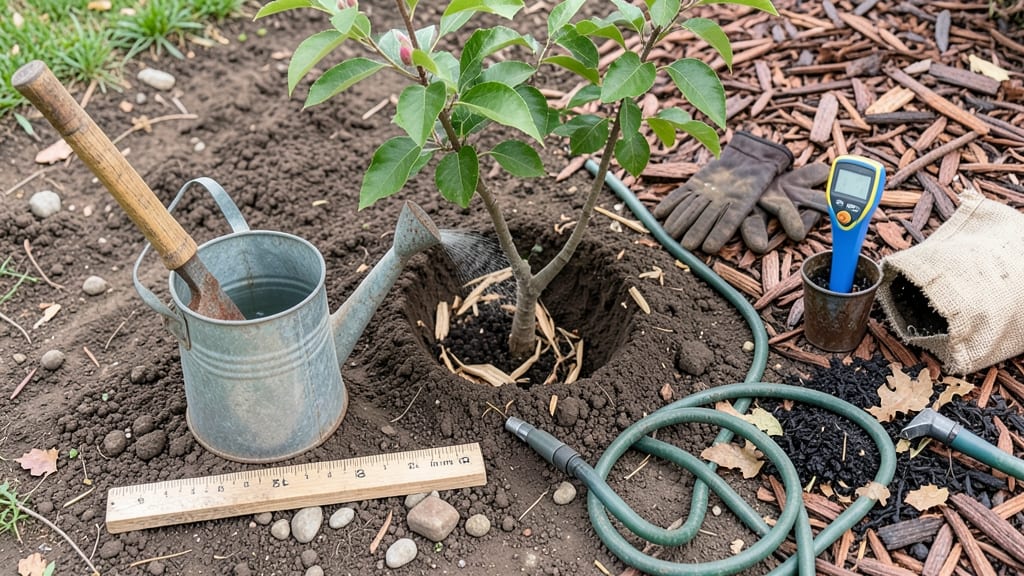
Planting fruit trees in Texas at the wrong time can mean the difference between a thriving orchard and a sad, frost-nipped disappointment.
The best time to plant fruit trees in Texas isn't just about the calendar—it's about understanding your USDA zone, soil warmth, and frost risks that vary wildly from North to South Texas.
For most of Texas, late winter to early spring—think February through March—is your golden window.
But here's the catch: North Texas gardeners (zones 7A-8A) need to wait until after the last frost, while South Texas (zones 8B-10A) can plant earlier when soil temperatures hit that sweet spot of 60°F.
I've learned the hard way that rushing too early can leave your young trees vulnerable to late freezes, while planting too late might stunt their root growth before summer's heat kicks in.
Let me show you exactly when to dig in your area—and how to give your fruit trees the best shot at becoming the star of your yard.
We'll cover soil prep, heat-tolerant varieties, and zone-specific tips so you can skip the guesswork. Whether you're dreaming of juicy peaches or sweet citrus, timing is everything—and Texas gives you just a few weeks to get it right.
Texas USDA zones & exact months to plant fruit trees for frost-free growth
Texas spans USDA zones 6A to 9B, creating dramatic differences in frost risk and planting windows. In North Texas (6A-8A), late frosts can hit as late as March 15th, while South Texas (9A-9B) rarely sees frost after January 1st.
This means your peach trees in Dallas need a different timeline than your citrus trees in San Antonio.
For stone fruits (peaches, plums, cherries), aim to plant when soil temperatures hit 55°F (13°C)—typically February to early March in most zones. Citrus and figs, however, thrive when planted November to January to avoid summer heat stress during establishment.
Here’s the zone-by-zone breakdown of ideal planting months, including soil temperature thresholds and frost risk analysis. Remember: bare-root trees can handle cooler soils, while container-grown trees need warmer conditions.
Pro tip: Check local frost dates via the Texas A&M AgriLife Extension or NOAA’s frost maps. For example, El Paso (7B) can plant 2 weeks earlier than Dallas (8A) due to its higher elevation and cooler nights.
If you’re planting bare-root trees, do it as soon as they arrive—these trees enter dormancy and need to be in the ground before buds swell. Container-grown trees, however, can wait until soil warms up, even if it’s slightly later in the season.
For citrus trees in South Texas, November is ideal because it avoids summer heat stress. These trees establish roots more slowly in 100°F+ temperatures, so give them extra care during the first 60 days after planting.
One common mistake? Planting too early in North Texas. A late March frost can kill young shoots. Use frost cloth if you must plant in February—but only for stone fruits, not citrus.
Always water deeply after planting to encourage root growth. In West Texas, mulch with 2-3 inches of organic matter to retain moisture. In East Texas, focus on drainage—many native soils are clay-heavy and can suffocate roots.
Finally, avoid planting in summer unless you’re in Zone 9B+. The combination of heat and transplant shock can kill young trees within weeks. Instead, opt for fall planting in South Texas or early spring in North Texas.
Ready to plant? Grab your shovel, compost, and mulch—your future harvest depends on getting this timing right! 🌱
How to prepare your Texas soil and site for fruit tree planting success
Texas soil is famously alkaline and heavy on clay, which can suffocate young fruit tree roots if not amended properly. Before planting, I always test my soil’s pH (aim for 6.0–7.0) and adjust with sulfur or lime as needed.
The key is creating a well-draining, nutrient-rich environment that mimics the tree’s native conditions.
Start by tilling the top 12–18 inches of soil to loosen compaction, then mix in 3–4 inches of compost or well-rotted manure. For heavy clay soils, blend in sand or perlite to improve aeration.
If your soil tests too alkaline, add elemental sulfur (1 lb per 100 sq ft) and retest in 2–3 months.
Fruit trees thrive in full sun (6+ hours daily), but Texas’s intense afternoon heat can scorch young leaves. Choose a sheltered location with protection from prevailing winds, like near a fence or building.
If planting in exposed areas, install a windbreak using burlap or evergreen shrubs to reduce stress.
For container planting, select a 5-gallon pot minimum with drainage holes, using a lightweight potting mix blended with perlite. Containers dry out faster in Texas heat, so schedule daily watering until roots establish (about 6–8 weeks). Mulch with 2–3 inches of wood chips to retain moisture and regulate soil temperature.
One mistake I see often is planting too deep—ensure the root flare is visible above soil level. Dig a hole twice as wide as the root ball but only as deep as the container.
Backfill with native soil mixed with compost, then water deeply to eliminate air pockets. Stake only if necessary, using flexible ties to avoid girdling the trunk.
Finally, plan for long-term care by installing a drip irrigation system for consistent moisture. Texas’s erratic rainfall means young trees can’t rely on nature alone.
After planting, water every 2–3 days for the first month, then taper to once weekly once established—unless we’re in a drought, then deep water twice weekly.