
Trees
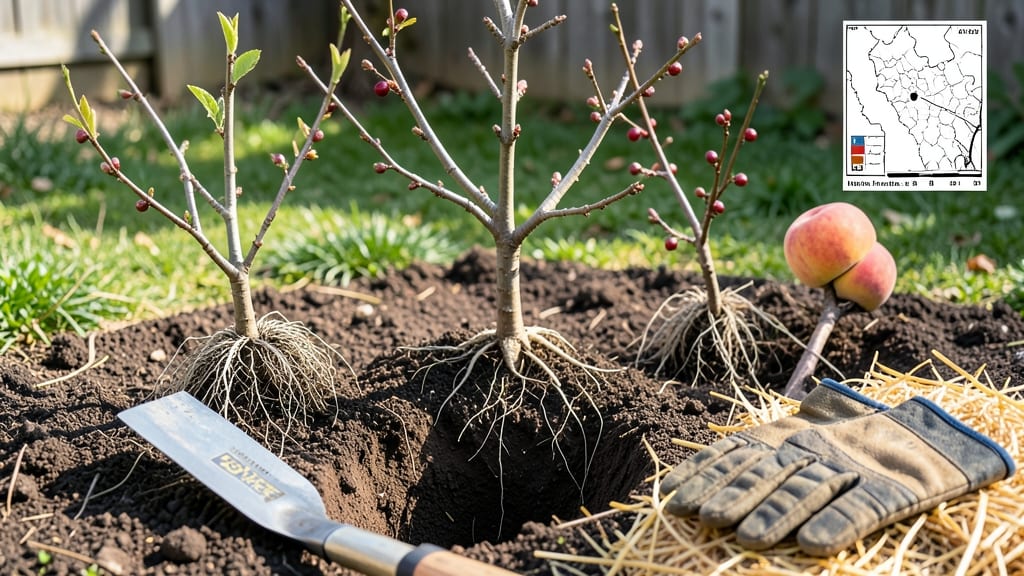
Planting fruit trees in Iowa isn’t just about grabbing a sapling and sticking it in the ground—it’s about matching your 🍎 tree’s chill-hour needs with Iowa’s 5a-5b climate for a harvest that actually pays off.
If you’ve ever planted a fruit tree only to watch it struggle through harsh winters or fail to produce fruit, you’re not alone.
The key lies in understanding when to plant—whether it’s late winter for bare-root trees or early spring for container-grown varieties—so your tree gets a strong start before Iowa’s unpredictable frost dates hit.
I’ll walk you through the best months for planting in your specific zone, how to prep your soil for Iowa’s limestone-heavy conditions, and which fruit trees thrive here. By the end, you’ll know exactly when to dig that shovel for trees that grow strong and bear fruit year after year.
Let’s get your orchard off to the right start—because timing really is everything when it comes to fruit trees in Iowa.
Iowa’s best planting months for fruit trees by chill-hour zone
Planting fruit trees in Iowa requires careful timing because the state’s USDA Zones 4-5 experience harsh winters and variable chill-hour needs.
Most fruit trees need 500–1,000+ hours of winter chill to produce fruit, and Iowa’s climate delivers that—but only if you plant at the right time. Spring planting (March–April) is ideal for most varieties, while fall planting (October–November) works for bare-root trees if soil isn’t frozen.
Iowa’s last frost date typically falls around April 15, so aim to plant 4–6 weeks before this date. This gives roots time to establish before summer heat arrives.
For container-grown trees, you can plant slightly later, even into May, but bare-root trees need that early start. Chill-hour requirements also dictate variety selection—apples and cherries thrive in Iowa’s zones, while peaches need fewer chill hours.
Here’s how to match your fruit tree variety to Iowa’s chill-hour zones and planting windows:
| Chill-Hour Zone | Best Planting Window | Ideal Varieties | Iowa-Specific Tip |
|---|---|---|---|
| 500–600 hours | March–April (spring) | Peaches, Nectarines | Use dwarf varieties for small yards. |
| 600–800 hours | March–April or October–November | Apples, Pears, Plums | Plant bare-root trees in fall for deeper root growth. |
| 800–1,000+ hours | March–April (spring only) | Cherries, Tart Cherries | Choose self-pollinating varieties like 'Montmorency'. |
For spring planting, focus on March–April when soil temperatures rise above 40°F. This timing ensures roots establish before summer heat stress.
If you prefer fall planting, aim for October–November—but only if the ground isn’t frozen. Bare-root trees planted in fall can develop stronger root systems over winter, giving them a head start in spring.
Iowa’s limestone-heavy soil can affect drainage, so always test soil pH (ideal: 6.0–7.0) before planting.
Amend with compost or peat moss if needed. Container-grown trees can be planted slightly later, even into May, but they’ll need extra watering to compensate for slower root establishment. Mulch heavily around the base to retain moisture and regulate soil temperature.
Pro tip: Use a tree planting gauge to dig holes 3 times wider than the root ball. This prevents root circling and encourages outward growth. Stake young trees only if necessary—over-staking can weaken stems.
For windy Iowa sites, add support but avoid tight ties that restrict trunk growth. Water deeply after planting to eliminate air pockets in the soil.
If you’re planting multiple trees, space them 20–30 feet apart for standard varieties or 12–15 feet for dwarfs. Cross-pollination is key for fruit set—plant at least two compatible varieties if your chosen tree isn’t self-pollinating.
For example, pair 'Honeycrisp' apples with 'Golden Delicious' for better yields. Label each tree immediately to track varieties and planting dates.
Timing isn’t just about the calendar—it’s about climate cues. In Iowa, watch for bud swell in spring as a signal to plant. Avoid planting when soil is frozen or waterlogged, as this stresses roots.
For container-grown trees, remove the pot and inspect roots before planting—circling roots need gentle pruning to encourage outward growth. Prune dead branches at planting time to reduce stress.
Remember: Patience pays off. Fruit trees planted in Iowa’s optimal windows (March–April or October–November) can take 3–5 years to bear fruit, but proper timing ensures they’ll thrive in your climate. Monitor local frost dates annually—they can shift slightly each year.
With the right chill-hour match and planting strategy, your Iowa orchard will reward you with homegrown fruit for decades. 🌱🍎
Top 5 fruit trees for Iowa’s climate and how to time their planting
Iowa’s chill-hour requirements (500–1,000+ hours) mean not all fruit trees thrive equally. Apples and cherries are top picks for their cold hardiness, while peaches need careful timing to avoid winter damage. Let’s break down the best varieties and their ideal planting windows for Iowa’s USDA Zones 4–5.
For apples, choose varieties like Honeycrisp or Haralson, both needing 600–800 chill hours.
Plant them in early spring (March–April) when soil temperatures rise above 40°F. Cherries, such as Montmorency, require 700–900 chill hours and should go in the ground 4–6 weeks before last frost (late March–early April).
Peaches, like Relenta, demand 400–600 chill hours and must be planted in fall (September–October) to establish roots before winter. Plums (e.g., Stanley) fit 500–700 chill hours and thrive with spring planting (March–April).
Finally, pears (e.g., Kieffer) need 500–600 chill hours and prefer early spring for best success.
- 1. Apples (600–800 chill hours) – Plant March–April; varieties: Honeycrisp, Haralson.
- 2. Cherries (700–900 chill hours) – Plant late March–early April; variety: Montmorency.
- 3. Peaches (400–600 chill hours) – Plant September–October; variety: Relenta.
- 4. Plums (500–700 chill hours) – Plant March–April; variety: Stanley.
- 5. Pears (500–600 chill hours) – Plant early spring; variety: Kieffer.
Timing matters most for bare-root trees, which should be planted as soon as possible after purchase (late winter to early spring). Container-grown trees offer more flexibility—plant them anytime soil isn’t frozen, but spring is ideal for root establishment.
Always check local frost dates (Iowa’s average last frost is April 15) to avoid early-season cold snaps.
For dwarf varieties, which are perfect for small spaces, follow the same timing rules but plant 2–3 feet deeper than the root flare to encourage stability. Mulch heavily around the base after planting to retain moisture and regulate soil temperature.
This is especially critical in Iowa’s limestone-heavy soil, which can dry out quickly in spring.
Pro tip: Pair pollinating varieties (e.g., two apple trees) for better fruit set. For example, Honeycrisp needs a pollinator like Jonathan. Check your tree’s tag for compatibility—this small step can double your harvest! 🍎