
Trees
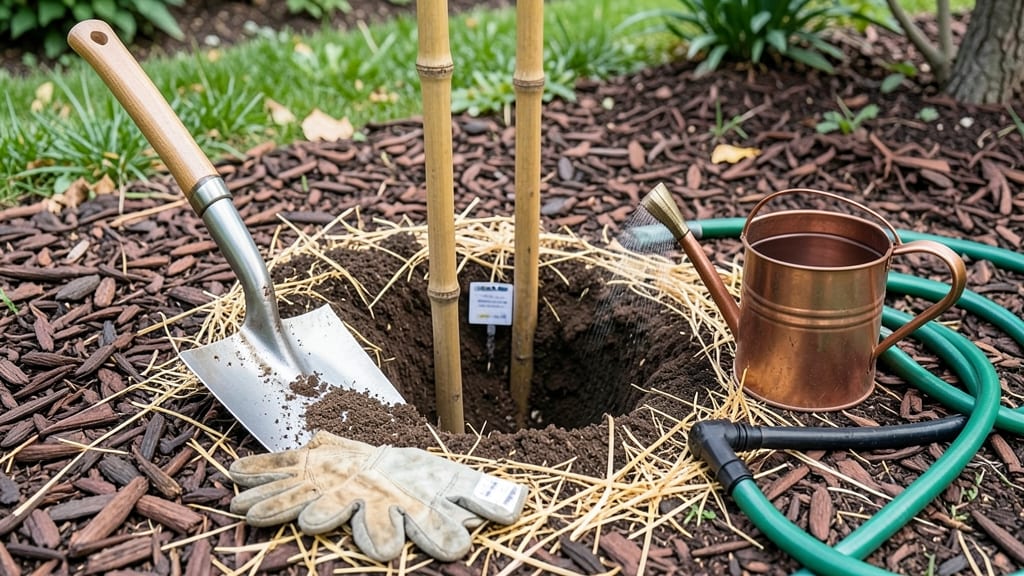
Planting fruit trees at the wrong time in Zone 8 could mean the difference between a 🍎 harvest bursting with flavor and years of empty branches.
The secret isn't just picking a season—it's matching your tree's chill-hour needs with your local climate's rhythm, whether you're in coastal San Diego or inland Sacramento.
I've learned the hard way that timing matters more than most gardeners realize. A peach tree planted too early might bloom before winter's last frost, while a citrus tree planted too late could struggle to establish roots before summer's heat arrives.
Let me show you exactly when to plant for best results in your specific microclimate.
We'll cover the two ideal windows—late winter/early spring and fall—plus how to adjust for your area's unique frost patterns. You'll discover which varieties thrive in Zone 8's 8a vs. 8b differences and how to troubleshoot common timing mistakes that could ruin your harvest before it even begins.
Ready to grow fruit trees that produce year after year? Let's get started with the planting schedule that actually works for your climate.
Optimal planting windows for Zone 8 fruit trees by chill-hour requirements
Zone 8’s mild winters and warm summers make it perfect for growing a wide variety of fruit trees—but getting the timing right is everything. Unlike colder zones, where spring planting dominates, Zone 8 offers two prime windows: late fall (October–November) and early spring (February–March).
The key? Matching your tree’s chill-hour needs to your microclimate’s frost patterns.
High-chill varieties like peaches (600–900 hours) and apples (500–800 hours) thrive when planted in late winter (February), just before bud break. Low-chill trees such as figs (100–300 hours) or persimmons (200–400 hours) can handle fall planting (October–November) with minimal risk of winter damage.
Zone 8a (colder sub-zone) has 1,400–1,800 chill hours, while Zone 8b (warmer) averages 1,000–1,400 hours. If you’re in 8a, prioritize spring planting for high-chill trees. In 8b, fall planting extends the growing season and reduces transplant shock.
🌱 Pro Tip: Always check your local last frost date (typically mid-February in Zone 8) and plant 4–6 weeks before to give roots time to establish.
| Variety | Chill Hours | Best Planting Window | Zone 8a vs. 8b | Notes |
|---|---|---|---|---|
| Peach | 600–900 | Late Feb–March | 8a: Ideal; 8b: Risky | Needs winter chill; avoid fall |
| Apple | 500–800 | Feb–March | 8a: Best; 8b: Limited | Dwarf varieties adapt better |
| Fig | 100–300 | Oct–Nov | 8a & 8b: Safe | Heat-tolerant; fast-growing |
| Persimmon | 200–400 | Oct–Dec | 8b: Best; 8a: Possible | Needs well-drained soil |
| Citrus (Orange/Lemon) | 0–100 | Year-round (avoid frost) | 8b: Ideal; 8a: Risky | Container-friendly |
For bare-root trees
Optimal planting windows for Zone 8 fruit trees by chill-hour requirements
Zone 8’s mild winters create a tricky balance when planting fruit trees—too early, and your tree may struggle with heat stress; too late, and it won’t establish roots before summer.
The key lies in understanding chill-hour requirements, which measure how many hours below 45°F your tree needs to break dormancy. Most Zone 8 trees fall into three categories: high-chill (400-800 hours), intermediate-chill (200-400 hours), and low-chill (under 200 hours).
For high-chill varieties like peaches and apples, aim for late winter to early spring (February–March) when soil temperatures rise above 50°F.
This timing ensures roots wake up before bud break, reducing frost damage risk. Intermediate-chill trees (plums, nectarines) can handle fall planting in October–November, while low-chill trees (figs, persimmons) thrive with spring or fall flexibility.
🌱 Best Planting Windows by Chill-Hour Needs
| Chill-Hour Range | Tree Varieties | Optimal Planting Window | Zone 8a Adjustment | Zone 8b Adjustment |
|---|---|---|---|---|
| 400–800 hours | Peaches, Apples, Cherries | Late Feb–Early March | Wait until March 15+ | Plant by Feb 15 |
| 200–400 hours | Plums, Nectarines, Asian Pears | Oct–Nov (fall) OR Feb–March (spring) | Fall preferred; spring by March 10 | Fall by Nov 1; spring by Feb 1 |
| Under 200 hours | Figs, Persimmons, Citrus, Pomegranates | Oct–Dec OR Feb–April | Fall planting best; spring by April 1 | Year-round except summer |
⚠️ Pro Tip: Bare-root trees plant best in dormant season (winter/early spring), while container-grown trees offer year-round flexibility.
Zone 8a’s cooler winters (10–15°F colder than 8b) demand extra caution. For high-chill trees, delay planting until March 15 to avoid early frost damage.
In contrast, Zone 8b’s milder climate lets you plant peaches as early as February 15, but monitor soil temperatures—roots need to stay above 45°F for 7+ days before planting.
Fall planting in Zone 8 works best for low-chill varieties like figs, which establish roots before winter. However, avoid planting apples or peaches in fall—their high chill needs can lead to premature bud break and frost damage.
Always check your local last frost date (typically February 15 in Zone 8) and adjust by 2–4 weeks for safety.
Microclimates add another layer: Coastal areas (e.g., San Diego) may have warmer winters, while inland valleys (e.g., Central Valley, CA) can experience colder snaps. Use a minimum thermometer to track chill hours in your yard—this data is more accurate than relying on general Zone 8 averages.
If you miss the ideal window, don’t panic. Container-grown trees can be planted year-round (except summer), and bare-root trees can wait until early spring. Just prioritize soil prep—amend with compost and ensure well-draining soil to prevent root rot in Zone 8’s occasional heavy rains.