
Trees
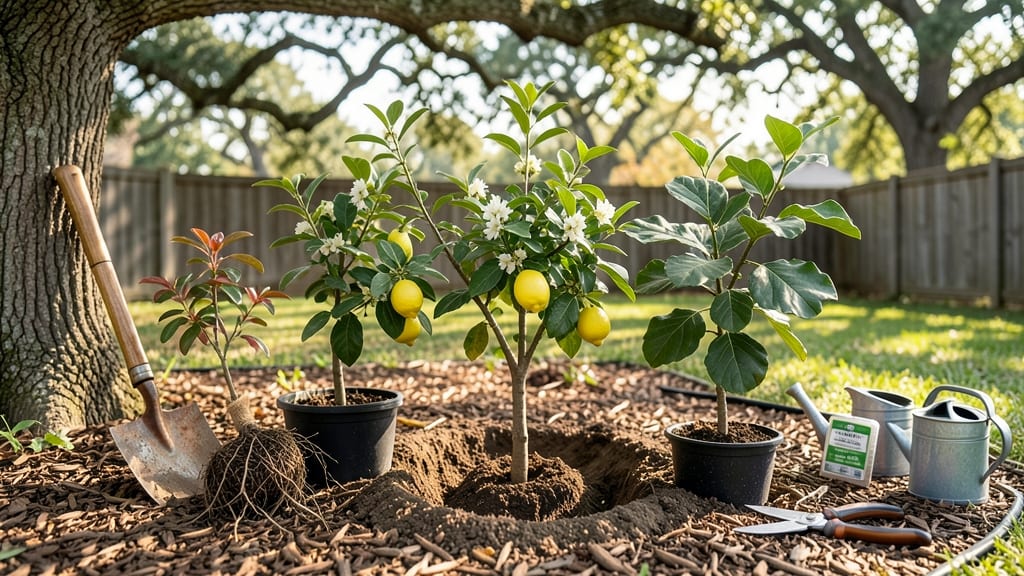
Planting fruit trees at the wrong time in Zone 8b could mean the difference between a thriving orchard and years of frustration—especially when you're dealing with chill-hour requirements that vary wildly between varieties. 🍎 Whether you're dreaming of juicy peaches or crisp apples, timing is everything, and getting it right ensures your trees establish strong roots before the heat of summer hits.
Most gardeners in Zone 8b make the mistake of planting too early, only to watch their young trees struggle with premature growth or frost damage. The ideal window—late winter to early spring—gives your fruit trees the perfect head start, aligning with their natural dormancy cycle.
But here's the catch: not all fruit trees thrive at the same time, and some varieties need extra care to meet their specific chill-hour needs.
In this guide, I'll break down the exact months to plant different fruit trees in Zone 8b, including when to prep your soil and how to adjust for microclimates that can shift frost dates.
You'll also discover how to avoid common pitfalls like planting bare-root trees too late or missing the best window for container-grown varieties.
By the end, you'll have a clear, actionable plan to plant your fruit trees with confidence—so you can enjoy a bountiful harvest in just a few years. Let's get started!
Zone 8b chill-hour requirements by fruit tree type: planting timing for success
Understanding chill-hour requirements is the #1 factor for successful fruit tree planting in Zone 8b. These hours of cold temperatures (below 45°F) trigger flowering and fruiting. If your tree doesn’t get enough, you’ll end up with no fruit—or worse, a tree that dies from failed dormancy.
Zone 8b typically accumulates 500-800 chill hours annually, but some microclimates (like urban areas) may get fewer. This means low-chill varieties are your best bet for reliable harvests.
For example, peaches and plums often thrive here with 400-600 chill hours, while apples and cherries need 800+ hours and may struggle.
Planting timing directly impacts chill-hour accumulation. If you plant in late winter (February-March), your tree will establish roots before spring growth begins, giving it time to absorb winter chills. Spring planting (April-May) risks premature growth before the tree meets its chill requirements.
Here’s the key: Bare-root trees (sold dormant) should go in the ground 4-6 weeks before last frost (typically mid-February in Zone 8b). Container-grown trees can handle slightly later planting (March-April) since their roots are already established.
Citrus trees (lemon, orange, lime) are exceptions—they hate chill hours and should be planted in spring (March-April) after frost risk passes. Their zero-chill requirement makes them perfect for Zone 8b’s mild winters.
Now, let’s match your fruit tree choices to Zone 8b’s chill hours for guaranteed success:
| Fruit Tree | Chill-Hour Needs | Best Planting Window | Zone 8b Notes |
|---|---|---|---|
| Peach | 400-600 hrs | Late Feb–March | Choose low-chill varieties like ‘Redhaven’ or ‘Elberta’. |
| Plum | 400-600 hrs | Late Feb–March | ‘Santa Rosa’ plums thrive with minimal winter chill. |
| Apple | 800+ hrs | March (risky—may need protection) | Consider dwarf varieties like ‘Anna’ or ‘Dorsett Golden’. |
| Cherry | 600-800 hrs | March (with frost cloth) | ‘Stella’ sweet cherries adapt better than sour varieties. |
| Citrus (Lemon/Orange) | 0 hrs | March–April | Plant in well-draining soil and protect from cold snaps. |
| Fig | 200-400 hrs | March–April | ‘Brown Turkey’ figs produce fruit with minimal chill. |
Pro tip: Use a chill-hour calculator (like the one from University of California) to track your local accumulation. If you’re in a warm microclimate, consider delayed dormancy sprays or low-chill rootstocks to boost fruit production.
For bare-root trees, soak roots in water for 1-2 hours before planting to prevent transplant shock. Container-grown trees need their root ball loosened to encourage root spread into Zone 8b’s clay-heavy soils.
Remember: Early spring planting (February-March) gives your tree’s roots time to establish before summer heat arrives. This is especially critical for stone fruits like peaches, which are prone to bacterial canker if stressed.
🌱
Best months to plant fruit trees in Zone 8b: a month-by-month guide
Zone 8b offers a unique planting window for fruit trees, balancing mild winters with warm summers. Unlike colder zones, you can plant year-round with careful timing—though late winter to early spring remains ideal for most varieties.
Let’s break down the best months and what to do each step of the way.
Your last frost date in Zone 8b is typically around January 15, while the first frost arrives in mid-November. This means you have a 10-month growing season—plenty of time to establish trees before winter dormancy.
Evergreen fruit trees like citrus or figs can even handle container planting for extra flexibility.
🌱 February-March (Best Window): This is your golden period for planting deciduous fruit trees like peaches, plums, and apples. The soil is workable, and trees enter dormancy naturally. For bare-root trees, February is perfect—plant while still dormant but before buds swell.
April is a secondary window for late-blooming varieties like figs or persimmons, but avoid planting if frost is still a risk. May is risky for deciduous trees—new growth may suffer from late frosts. Evergreens like citrus can handle May planting if kept well-watered.
For container planting, adjust timing: Move potted trees outdoors 2-3 weeks before the last frost. Acclimate gradually to avoid shock—place in partial shade for a week before full sun exposure. Mulch heavily to retain moisture during Zone 8b’s dry spells.
Remember: Soil prep is key in Zone 8b. Test your soil’s pH (6.0-7.0 for most fruit trees) and amend with organic matter like compost or aged manure. Drainage is critical—avoid low spots where water pools after rain. A well-drained hole twice as wide as the root ball ensures healthy roots.
🌿 Whether you’re planting bare-root saplings in February or container-grown trees in March, Zone 8b’s mild climate gives you flexibility—but timing still matters. Follow this schedule, and you’ll set your fruit trees up for years of reliable harvests.