
Trees
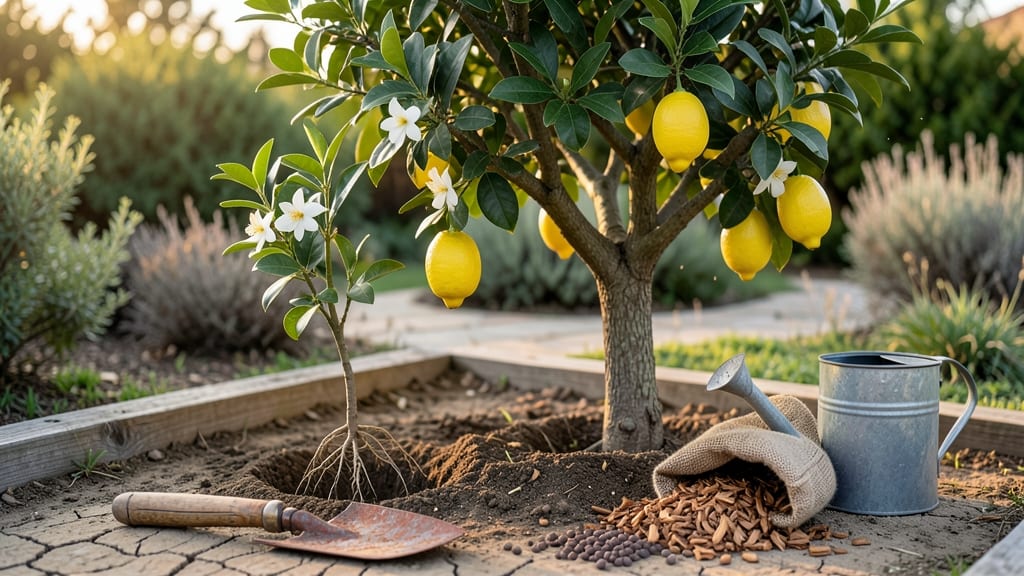
Planting your 🍊 citrus tree in Florida at the wrong time could mean the difference between a thriving orchard and a struggling sapling—especially since Florida’s heat zones demand precision.
While you might think citrus trees can handle anything, timing matters more than you’d expect, from soil warmth to avoiding summer’s brutal heat.
Most Florida gardeners swear by late winter to early spring or fall planting, but here’s the catch: your specific heat zone (like 8a-11) changes the rules. In North Florida’s cooler pockets, you’ll want to plant earlier, while South Florida’s year-round warmth lets you stretch your window.
Let’s break down the best months for your zone and how to set your citrus tree up for success.
You’ll also discover why September and October are the gold standard for most of Florida—and how to tweak your approach if you’re in a frost-prone area (yes, even Florida has those!). We’ll cover soil prep, transplanting tips, and the one mistake that kills more citrus trees than anything else.
Ready to plant with confidence? I’ll walk you through the exact steps to give your 🍊 citrus tree the perfect start, no matter where you are in the Sunshine State. Let’s get those roots in the ground the right way.
Florida’s best planting months for citrus trees by heat zone
Florida’s citrus trees thrive year-round, but timing your planting to match your USDA heat zone and microclimate makes all the difference. Unlike northern states, Florida’s 11 heat zones (A1–B3) mean a Miami orange grove (Zone 10B) has vastly different needs than a Orlando backyard (Zone 9A).
Let’s break down the ideal planting windows for each zone to ensure your citrus trees grow strong and fruitful.
For most of Florida, the best planting window falls between late winter and early spring (February–April) or fall (September–November). This timing avoids peak summer heat and late-fall cold snaps, both of which stress young roots.
However, Zone 9A (North Florida) faces rare frost risks in December, while Zone 10B (South Florida) can plant almost year-round with minimal stress.
Here’s how to align your planting with Florida’s unique climate:
| Heat Zone | Ideal Planting Months | Key Considerations | Soil Temp (°F) |
|---|---|---|---|
| Zone 8A (North FL: Tallahassee) | February–March, October–November | Avoid December frost; use cold-hardy varieties like ‘Satsuma’ | 60–70°F |
| Zone 9A (Central FL: Orlando) | January–April, September–October | Watch for rare cold snaps; mulch heavily | 65–75°F |
| Zone 9B (South-Central FL: Tampa) | February–May, September–November | Humidity spikes in summer; use shade cloth if planting in June–August | 70–80°F |
| Zone 10A (South FL: Fort Myers) | Year-round (best: Feb–April, Sept–Nov) | Minimal frost risk; prioritize drainage in rainy season | 75–85°F |
| Zone 10B (South FL: Miami) | Year-round (best: March–May, Sept–Dec) | High humidity; monitor for fungal diseases | 80–90°F |
Pro Tip: Use the UF/IFAS Heat Zone Map to pinpoint your exact zone and microclimate.
If you’re in North Florida (Zones 8A–9A), prioritize fall planting (September–November) to establish roots before potential winter chill.
In Central and South Florida (Zones 9B–10B), you can plant almost year-round, but avoid June–August due to intense heat and humidity, which stress young trees and invite fungal diseases like citrus greening.
For container-grown citrus, timing is even more flexible—you can plant anytime in frost-free zones, but spring or fall still offers the best conditions for root establishment. Just ensure your pots have drainage holes and use a well-draining potting mix to prevent root rot.
Soil temperature is another critical factor. Citrus roots thrive when soil is between 60–85°F. Use a soil thermometer to check before planting—if temperatures are below 60°F, wait a few weeks or use
Critical signs you’re planting citrus trees at the wrong time (and how to fix it)
Planting citrus trees in Florida at the wrong time can lead to stunted growth, fungal infections, or even tree death—even in our warm climate. Here’s how to spot the red flags and what to do to save your tree.
The most common mistake? Planting during peak summer heat or late fall, when roots struggle to establish.
Watch for yellowing leaves that start at the tips and spread inward. This often signals nutrient deficiencies or root stress from improper planting timing. If you see this after planting, amend the soil with compost and reduce watering slightly to encourage root growth.
Citrus trees planted in summer heat (June-August) are especially vulnerable to transplant shock and sunburn on young leaves.
Another warning sign is slow root growth—check by gently tugging on the tree. If it wobbles easily, roots haven’t anchored. To fix this, water deeply (1-2 gallons) and mulch heavily (3-4 inches of organic mulch) to protect roots from temperature swings.
Planting in late fall (November-December) can also cause dormancy issues, especially in Zone 9A (e.g., Orlando), where rare cold snaps occur.
Fungal spots on leaves (like melanose or scab) can appear if you plant during high humidity (e.g., late summer). Prune infected leaves immediately and apply copper fungicide as a preventive measure. For trees planted in shady spots, move them to full sun (6+ hours daily) to prevent weak, disease-prone growth.
To salvage a poorly timed planting, adjust your care routine:
- Water deeply but less frequently (every 3-5 days for young trees).
- Mulch with 3-4 inches of wood chips or pine straw to regulate soil temperature.
- Avoid fertilizing for the first 6-8 weeks—let roots establish first.
Remember: Fall (September-November) is the safest window for Florida citrus planting, but late winter (February-March) works too—just avoid freeze-prone areas like Zone 8A (e.g., North Florida). By acting fast, you can turn a bad start into a thriving tree! 🌱