
Plants
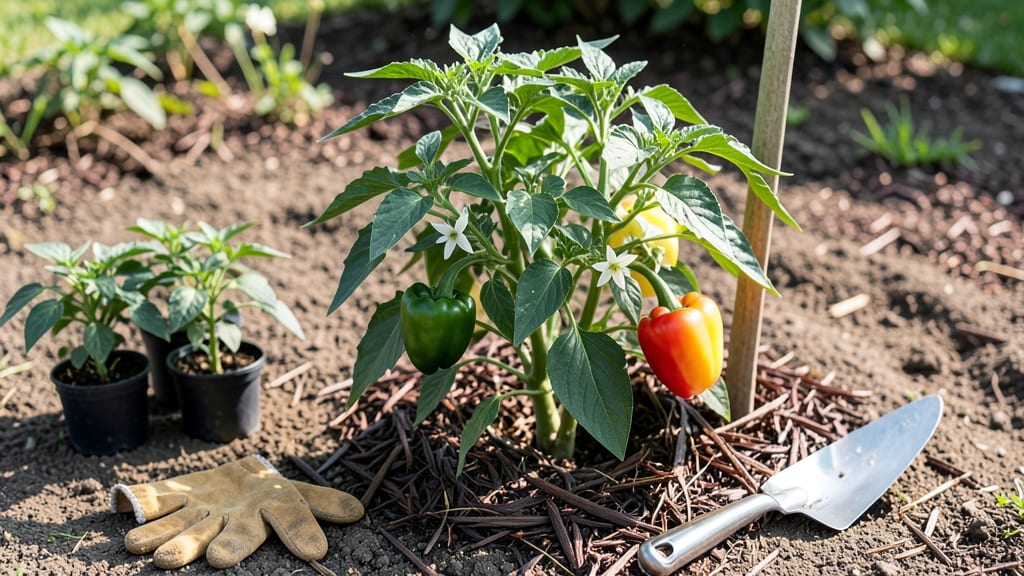
Timing your 🌶️ bell pepper planting in South Florida isn’t just about avoiding frost—it’s about dodging the first heatwave that can send your plants bolting before they even produce fruit.
Unlike cooler climates, South Florida’s year-round growing season means you’ve got two prime windows to plant, but one small mistake could turn your garden into a sad, leafy disappointment.
Most gardeners here swear by spring planting, but the real secret to success lies in understanding your microclimate.
Coastal areas with cooler breezes can handle early starts, while inland zones need to wait until soil temperatures hit that sweet spot of 60°F—or risk watching your seedlings wilt under the summer sun.
I’ve learned the hard way that even a week too early can mean the difference between a bountiful harvest and a bolting disaster.
What you’re about to discover isn’t just a calendar—it’s a game-changer for extending your growing season. We’ll break down the exact weeks to plant, how to prep your soil, and even which heat-tolerant varieties won’t bolt at the first sign of summer.
Whether you’re a seasoned gardener or just starting, these tips will help you avoid the most common mistakes and keep your 🌶️ bell peppers producing all year long.
Ready to skip the guesswork? Let’s dive into the perfect planting schedule that’ll have you harvesting crisp, flavorful peppers from spring through fall—no bolting in sight. Your future self (and your dinner table) will thank you.
Best planting weeks for bell peppers in South Florida (avoiding bolting)
South Florida’s year-round growing season means you can plant bell peppers almost anytime—but timing is everything to avoid premature bolting. Unlike northern climates, we don’t have frost to worry about, but heatwaves and soil temperatures above 85°F will send your peppers into early flowering.
The key? Plant when daytime temps are warm but nights stay cool enough to delay bolting.
For coastal areas (like Miami or Fort Lauderdale), aim for January through early March or August through September. Inland areas (e.g., Palm Beach or Orlando) can extend planting into late April or early October before summer’s brutal heat sets in.
Think of it as a race against the first major heatwave—your goal is to get peppers established before temps consistently hit 90°F+.
Here’s the golden rule: Start seeds indoors 8-10 weeks before your target outdoor planting date. South Florida’s soil stays warm year-round, but seedlings need time to grow sturdy before facing the sun.
If you’re using transplants, buy them from a local nursery in early January or late August to align with cooler periods.
| Planting Window | Soil Temp | Heatwave Risk | Best For |
|---|---|---|---|
| January–Early March | 65–75°F | Low (cooler nights) | Coastal areas, spring harvest |
| August–September | 70–80°F | Moderate (fall transition) | Inland areas, fall harvest |
| Late April–Early May | 75–85°F | High (risk of bolting) | Shade-cloth protection needed |
| October–November | 68–78°F | Low (mild temps) | Year-round harvests |
If you’re succession planting for continuous harvests, space out sowings every 2-3 weeks during your chosen window. For example, start one batch in mid-January, another in late February, and a final one in early March.
This ensures you’re always harvesting fresh peppers while avoiding the peak heat months (June–August).
One common mistake? Planting too late in spring and watching peppers bolt before fruiting. If you miss the January–March window, your next best bet is August, but be prepared to use shade cloth to buy time.
I’ve seen home gardeners in Homestead push planting into April with 50% shade cloth and still get decent yields—just expect smaller peppers.
For container gardening, timing is even more critical. Pots heat up faster, so plant indoors under grow lights in December–January and move outdoors only after the last cold snap (usually by mid-February).
Use black plastic mulch to warm soil faster and drip irrigation to maintain moisture during dry spells.
Remember: South Florida’s humidity and heat can stress seedlings, so harden them off for 7–10 days before transplanting. Acclimate them gradually to direct sun to avoid sunburn on young leaves. I’ve lost count of the times I’ve rushed seedlings outdoors only to watch them wilt under our intense sunlight.
Finally, keep an eye on local weather forecasts. A sudden heatwave in March can derail your plans, so have a backup shade setup ready. With the right timing, you can enjoy bell peppers year-round—just don’t let the heat beat you to the punch! 🌶️
Best planting weeks for bell peppers in South Florida (avoiding bolting)
South Florida’s year-round growing season might seem ideal for bell peppers, but timing is everything to avoid premature bolting. Unlike northern climates, we don’t have frost to worry about—but we do face intense heatwaves that can shock young plants into flowering too soon.
The key is planting when soil temperatures stay consistently above 60°F but before the first major summer heatwave hits.
For coastal areas like Miami or Fort Lauderdale, aim to plant bell pepper seedlings in late January through early March. Inland regions like Homestead or Palm Beach Gardens can start slightly earlier, around mid-January, thanks to slightly cooler nights.
This window gives plants time to establish roots before summer’s brutal heat arrives, usually by mid-April.
Here’s the exact planting schedule tailored to South Florida’s microclimates to maximize yields and minimize bolting risks:
| Planting Window | Soil Temp | Heatwave Risk | Best Varieties |
|---|---|---|---|
| Late January - Early February | 60-65°F | Low (pre-heatwave) | Jupiter, Carolina Wonder |
| Mid-February - Early March | 65-70°F | Moderate (early heat spikes) | Aristotle, Gypsy |
| Late August - Early September | 70-75°F | Low (post-hurricane season) | Cubanelle, NuMex Sandia |
| October - November | 65-70°F | None (cooling trend) | Any variety (long harvest window) |
Notice the fall planting window? South Florida’s mild winters make October and November perfect for a second crop. By planting then, you’ll harvest peppers just as summer heat ramps up again—giving you a year-round supply with minimal bolting risks.
Just avoid planting in April or May unless you’re using shade cloth, as soil temps can spike to 85°F+, shocking seedlings.
Pro tip: Use a soil thermometer to confirm temps before planting. If your soil hits 75°F+ for more than 3 days, delay planting until nighttime temps drop below 80°F. This simple check can save your entire crop from bolting before it even starts producing!
For succession planting, stagger transplants every 2-3 weeks from January through March. This ensures a continuous harvest and spreads out your risk if one batch bolts prematurely. Pair this with heat-tolerant varieties (like those in the fall window), and you’ll enjoy peppers from March through December.