
Planting
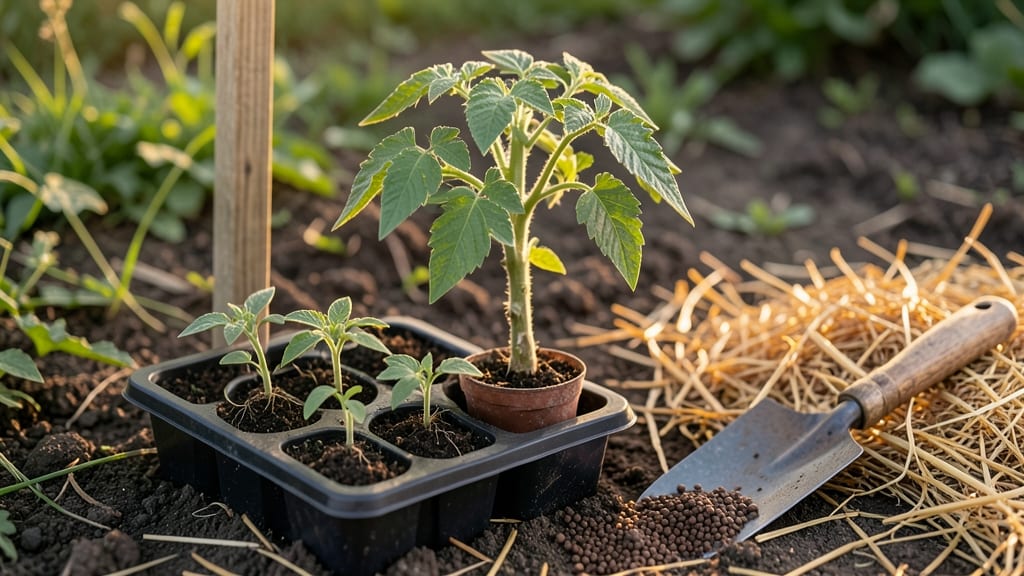
Timing when to plant a garden in Zone 7 isn’t just about throwing seeds into the dirt—it’s the difference between a thriving harvest and a sad, frost-nipped disappointment. The last frost typically hits around mid-April, but that doesn’t mean you can wait until May to start planting.
Cool-season crops like lettuce and peas need to go in 4–6 weeks before that date, while warm-season favorites like tomatoes and peppers can’t handle chilly soil.
I’ve learned the hard way that rushing or delaying planting can leave your 🌱 General Garden Plants struggling against Zone 7’s unpredictable swings from mild winters to scorching summers.
Whether you’re a beginner or a seasoned gardener, knowing the exact window for each crop—from early spring to late fall—is the key to avoiding wasted effort and maximizing your garden’s potential.
This guide breaks down the perfect planting schedule for Zone 7, including when to sow seeds, transplant seedlings, and even extend your growing season with simple tricks.
No more guessing whether your carrots or marigolds will make it past the first frost—just a clear, foolproof plan tailored to your local climate.
Ready to turn your garden into a year-round success? Let’s dive into the exact months and methods that will help your plants thrive, no matter what Zone 7 throws your way.
Zone 7 planting calendar: exact months for cool-season vs warm-season crops
Mastering the Zone 7 planting schedule means knowing your last frost date (typically mid-April) and first frost (around mid-November). These dates create a 165-day frost-free window—your garden’s golden opportunity.
Cool-season crops like kale and spinach thrive when planted 4–6 weeks before that last frost, while tomatoes and peppers need the soil to warm up after frost risk has passed. Timing isn’t just about months; it’s about soil temperature, moisture levels, and even lunar cycles for some gardeners.
In Zone 7, spring planting kicks off in March for hardy greens and onions, but wait until April for warm-season favorites like squash and beans. Fall planting starts in September for broccoli and carrots, giving them time to mature before winter sets in.
Missing these windows can mean stunted growth or failed harvests, so mark your calendar now!
Here’s the golden rule: Cool-season crops (like lettuce and peas) go in early spring or late summer, while warm-season crops (such as cucumbers and eggplants) need warmer soil—usually after May 15.
Even within these categories, some plants (like radishes) are fast growers and can handle early starts, while others (like artichokes) need longer to mature.
| Crop Type | Best Planting Months | Key Notes |
|---|---|---|
| Cool-Season Veggies | March–April (Spring) / Sept–Oct (Fall) | Plant 4–6 weeks before last frost. Examples: spinach, broccoli, kale. |
| Warm-Season Veggies | May–June (After last frost) | Soil temp should be 60°F+. Examples: tomatoes, peppers, beans. |
| Herbs | March–April (Spring) / Sept (Fall) | Basil needs warmth; parsley tolerates cool temps. Plant after frost for basil. |
| Flowers | April–May (Spring) / Aug–Sept (Fall) | Marigolds and zinnias thrive in heat; pansies prefer cooler weather. |
| Perennials | March–April (Spring) / Sept (Fall) | Plant bare-root plants in spring; container-grown perennials can go in fall. |
Don’t overlook fall planting, which is just as critical as spring. In Zone 7, September is prime time for cool-loving crops like garlic and brussels sprouts. These plants need 60–80 days to mature before first frost, so plan accordingly.
For example, brussels sprouts planted in early September will be ready by November, while spinach sown in late August can handle light frosts and even taste sweeter after exposure.
Pro tip: Use row covers or cold frames to extend your growing season by 2–4 weeks in spring or fall. These tools create a microclimate that protects tender plants from late frosts or early chills.
For instance, I’ve used row covers to plant cabbage in late February, giving me a head start on the season. Just remove them when temps rise to 70°F+ to avoid overheating.
Zone 7’s long, hot summers also demand attention. Succession planting—sowing radishes or lettuce every 2 weeks—ensures a steady harvest. Meanwhile, heat-tolerant varieties like Okinawa spinach or Malabar spinach can handle the July–August heat when other greens bolt.
Plan your planting schedule with these extremes in mind to avoid wasted space or failed crops.
For container gardening, timing shifts slightly because pots warm up faster. Start warm-season crops like peppers indoors in March and transplant after last frost
How to adjust planting times for Zone 7’s microclimates and soil conditions
Zone 7’s 165 frost-free days offer a long growing season, but microclimates can shift planting times by 2–4 weeks. High-altitude areas like the Blue Ridge Mountains may have later last frosts (late April), while lowland regions like North Carolina’s coastal plain can start earlier (mid-March).
Always check your local frost dates—they’re your planting compass.
Soil temperature matters just as much as air temperature. Cool-season crops like lettuce thrive in 45–65°F soil, while warm-season crops like tomatoes need 60°F+. Use a soil thermometer to avoid planting too early—cold soil stunts growth. My rule? Wait until soil warms to 55°F+ for most vegetables.
- Row covers push spring planting 2–3 weeks earlier and extend fall harvests by 4+ weeks.
- Black plastic mulch warms soil 5–10°F faster, ideal for tomatoes and peppers.
- Cold frames let you start spinach and kale in February without frost risk.
- Drip irrigation maintains consistent soil moisture, preventing transplant shock.
- Succession planting every 2 weeks ensures a steady harvest of lettuce and radishes.
Don’t overlook soil drainage—Zone 7’s heavy clay soils can drown roots. Amend with compost or sand to improve aeration. My go-to mix is 60% native soil, 30% compost, and 10% perlite. Test your soil’s pH too; most vegetables prefer 6.0–7.0, while blueberries need 4.5–5.5.
For high-altitude gardens (e.g., Virginia’s Shenandoah Valley), plant cool-season crops like broccoli in late March instead of February. In lowland areas (e.g., Texas Hill Country), you can direct-sow beans and cucumbers by mid-March. Always match your schedule to your local microclimate—not the zone average.
Use season extenders to turn Zone 7’s shoulder seasons into productive months. In early spring, cover seedlings with frost cloth to harden them off. In late fall, plant garlic and onions in October—they’ll overwinter and reward you with early spring harvests.
Remember: Zone 7 isn’t one-size-fits-all. Adjust your planting calendar based on elevation, slope, and nearby water bodies. A south-facing slope warms faster, while a north-facing bed stays cooler.
When in doubt, start small, monitor your plants, and refine your schedule each year. Your garden’s success depends on it! 🌿