
Plants
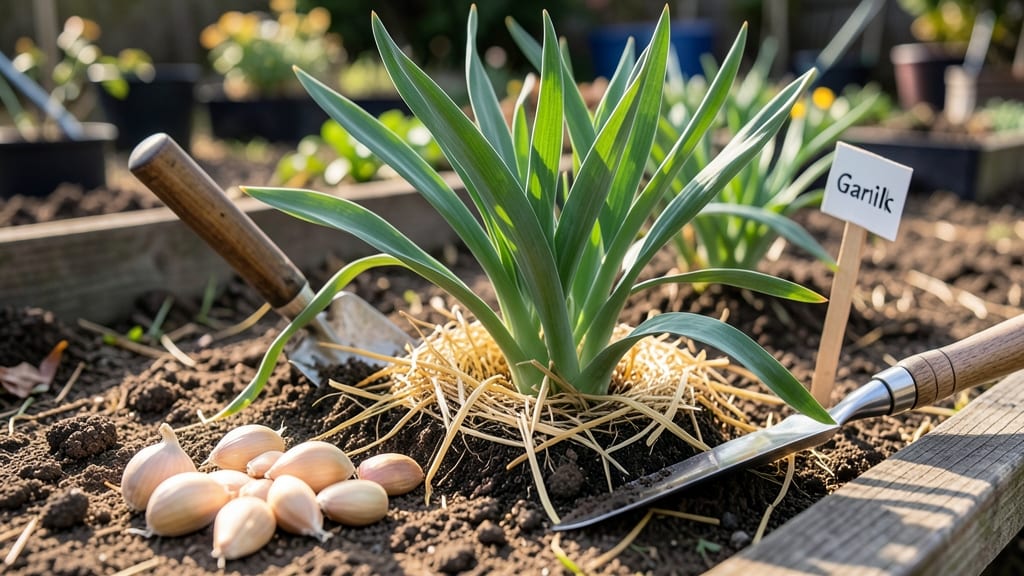
Planting garlic in Connecticut isn't just about timing—it's about outsmarting the unpredictable winters that can turn your crop into a frozen disappointment. The perfect window (October to November) ensures your 🧄 cloves get the cold stratification they need before the ground freezes solid, setting the stage for next summer's harvest.
Most gardeners miss the mark by waiting too late or planting too early, risking frost damage or weak bulb development. Connecticut's USDA Zone 6a climate demands precision: you've got just 4-6 weeks before the ground freezes to get those cloves in the soil, pointed end up, and mulched properly.
Skip this step, and you might end up with nothing but a winter landscape feature.
I've learned the hard way that local microclimates make all the difference—coastal areas near Long Island Sound stay milder, while inland spots near Hartford can see early freezes. The key is knowing your last frost date (usually mid-December) and adjusting your schedule accordingly.
Let me show you exactly how to nail this timing every year, so you can enjoy those bold, flavorful bulbs from July to August.
Whether you're a seasoned gardener or just starting out, mastering this schedule transforms garlic growing from a gamble into a reliable harvest. We'll cover soil prep, spacing tricks, and even what to do if you miss the window—because even in Connecticut, there's always a way to salvage your crop.
Let's get those cloves in the ground the right way.
Connecticut garlic planting calendar: exact months and frost-proof timing
Timing garlic planting in Connecticut is all about beating the first hard frost while giving cloves time to establish roots before winter dormancy. Aim for 4-6 weeks before the ground freezes, typically between mid-October and mid-November.
This window ensures bulbs form properly before Connecticut’s USDA Zone 5-6 winters set in.
In most of Connecticut, the average first frost hits around October 15-30, but coastal areas like New Haven or Stamford may have milder conditions. Inland regions like Hartford or Willimantic freeze earlier—plan accordingly. The key is planting when soil temps drop to 40-50°F but before freezing.
🌱 Connecticut Garlic Planting Timeline
| Stage | Action | Notes |
|---|---|---|
| Late September | Soil prep: Loosen soil, add compost | pH 6.0-7.0 ideal |
| Mid-October | Plant cloves 2" deep, 4-6" apart | Pointed end up |
| November | Mulch heavily (6" straw) | Protects from heaving |
| Winter | Dormancy period | No watering needed |
| June-July | Reduce watering | Prep for harvest |
| Late July | Harvest when lower leaves brown | Cure for 2 weeks |
For hardneck varieties (like Music or German Red), planting by October 15 ensures proper cold stratification—critical for scape and bulb development. Softneck varieties (like Silverskin) can tolerate slightly later planting but still need to establish before November 15.
Use Connecticut’s last average frost date (around December 15) as your cutoff. If you miss the window, wait until early spring (March-April) for a second chance, though bulbs may be smaller. The University of Connecticut Extension recommends avoiding spring planting for hardneck varieties due to reduced bulb size.
Pro tip: Check soil temps with a soil thermometer—plant when temps consistently stay below 50°F at night. This prevents premature sprouting, which weakens winter hardiness.
In Zone 6a areas (like New London), aim for October 1-15; in colder Zone 5 areas (like Torrington), shift to September 20-October 5.
If you’re unsure about your local frost dates, consult the National Weather Service or CT Agricultural Experiment Station for your specific region. Their 30-year averages provide the most reliable planting benchmarks. For example, Bridgeport averages 5-7 days later than Enfield for first frost.
Remember: Garlic needs cold to form bulbs. Without proper winter chilling (40°F for 6-8 weeks), you’ll end up with small, weak cloves or just long stems. This is why fall planting is non-negotiable in Connecticut’s climate.
Even if you’re eager to start gardening, resist the urge to plant early—warm soils encourage sprouting before roots establish.
For a foolproof backup, plant a test row in late September. If it sprouts before freezing, you’ve planted too early. Adjust your main planting date accordingly. This simple test can save your entire crop from frost heaving or rot.
Once planted, mulch immediately with straw or leaves (6" deep) to insulate cloves. This prevents soil heaving during freeze-thaw cycles—a common issue in Connecticut’s Zone 5-6 winters. Remove mulch in early spring (March) to allow soil to warm for regrowth.
With perfect timing, your garlic will emerge in late April and be ready to harvest by July-August—just in time for summer cooking! 🧄
How to adjust planting for Connecticut’s microclimates: coastal vs. inland strategies
Connecticut’s geography creates distinct planting zones—coastal areas near Long Island Sound enjoy milder winters, while inland regions face harsher freezes. These differences can shift your garlic planting window by up to 4 weeks! Understanding your microclimate helps you avoid frost damage or premature sprouting.
For coastal Connecticut (e.g., New Haven, Stamford), plant garlic between October 15 and November 15. The Sound’s moderating effect delays frost, giving cloves extra time to root before winter.
In contrast, inland areas (e.g., Hartford, Willimantic) should plant between October 1 and November 1 to ensure bulbs harden before ground freeze.
Soil temperature is your best guide: aim for 40–50°F at 4 inches deep. Use a soil thermometer to check—coastal soils stay warmer longer, while inland soils cool faster. If your area experiences early frosts, prioritize hardneck varieties like ‘German White’ or ‘Music,’ which tolerate colder soils better.
| Factor | Coastal Connecticut | Inland Connecticut |
|---|---|---|
| Ideal Planting Window | Oct 15–Nov 15 | Oct 1–Nov 1 |
| Soil Temp Threshold | 45–50°F | 40–45°F |
| Mulch Depth | 2–3 inches (straw) | 4–6 inches (straw + leaves) |
| Backup Month | December (if mild) | None (risk of freeze) |
| Variety Recommendation | Softneck (e.g., ‘Silverskin’) | Hardneck (e.g., ‘Rocky Mountain’) |
Adjust your mulching strategy based on your location. Coastal gardeners can use 2–3 inches of straw to insulate soil, while inland growers should apply 4–6 inches of straw plus leaves to protect against deeper freezes.
For late planters, focus on soil prep: amend beds with compost and sand to improve drainage, which reduces frost heave.
If you’re in a transition zone (e.g., Middletown, Waterbury), split your planting: sow half in early October and half in mid-November. This hedges against frost risks while extending your harvest window. Always plant cloves with the pointed end up—this ensures consistent sprouting, even in variable conditions.
Pro tip: Check Connecticut’s USDA Plant Hardiness Zone Map for your exact location. Most of the state falls in Zone 5b–6a, but microclimates can push you into Zone 7 near the coast. Use this as a starting point, then adjust based on your garden’s history.