
Plants
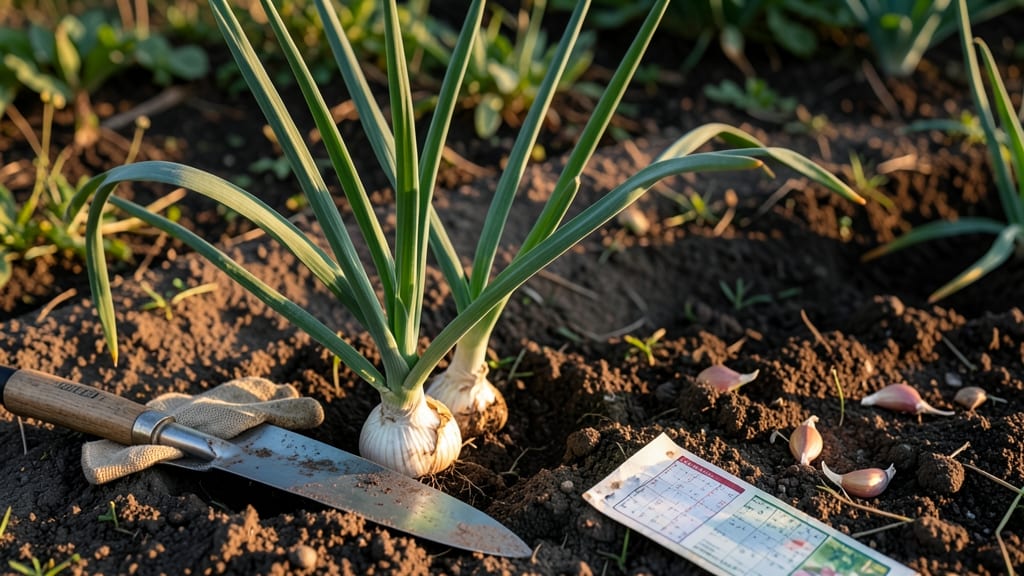
Timing your 🧄 garlic planting just right in Pennsylvania can mean the difference between plump, flavorful bulbs and a disappointing harvest—so getting it perfect matters more than you might think.
The Keystone State’s 5b-7a climate zones create unique windows for planting hardneck versus softneck varieties, and missing them could leave your crop struggling through winter or failing to mature properly.
Most gardeners in Pennsylvania know the fall window is critical, but the exact timing depends on whether you’re growing hardneck (like ‘German White’) or softneck (like ‘Silverskin’) varieties—and even then, regional microclimates can shift the ideal dates by weeks.
Plant too early, and your garlic might bolt before winter; too late, and it won’t establish strong roots before the ground freezes. The sweet spot? October to November, with adjustments for your specific zone.
What I’ve learned from years of experimenting—and watching neighbors’ garlic thrive (or flop)—is that soil temperature and frost dates are the real game-changers. In Zone 5b, you’ve got until mid-November to get cloves in the ground, while Zone 7a gardeners can push it slightly later.
But don’t wait too long, or you’ll risk weak bulbs or even total failure.
Ready to master the timing? I’ll walk you through the exact planting schedule for your zone, soil prep tips to give your garlic a head start, and how to protect it from Pennsylvania’s unpredictable weather.
Let’s get those cloves in the ground the right way—so you’re harvesting bold, flavorful bulbs next summer.
Best planting months for hardneck vs softneck garlic in Pennsylvania’s climate zones
Pennsylvania’s diverse climate zones (5b–7a) create unique challenges for garlic growers. The ideal planting window spans from late September to mid-November, but hardneck and softneck varieties have slightly different needs.
Hardnecks, like ‘German White’, thrive when planted 4–6 weeks before the ground freezes, while softnecks, such as ‘Silverskin’, can handle a slightly later start. Northern PA (zones 5b–6a) should plant earlier, while southern PA (zone 7a) has more flexibility.
In Pennsylvania’s USDA zones 5b–7a, the last average frost date ranges from mid-November in the north to late November in the south. This means gardeners in Erie or State College should aim for October planting, while those in Philadelphia or Pittsburgh can extend into early November.
Soil temperatures below 40°F (4°C) signal it’s time to plant—garlic cloves need cold exposure to form bulbs.
Hardneck garlic requires vernalization (cold treatment) to develop scapes and bulbs. Planting too late—after November 15—risks stunted growth. Softnecks, however, are more adaptable and can tolerate slightly warmer soils in late fall. For both types, well-draining soil and full sun (6+ hours daily) are non-negotiable for success.
For gardeners in Pennsylvania’s mountainous regions, like Lackawanna or Bedford counties, microclimates can push planting dates 1–2 weeks earlier. Use a soil thermometer to confirm readiness—40°F (4°C) is the magic number for hardnecks.
In urban areas like Philadelphia, where heat islands delay cooling, aim for early October to avoid missed windows. Mulch with straw (4–6 inches) after planting to insulate cloves and prevent frost heave.
Timing isn’t just about frost—soil moisture matters too. Plant in well-drained soil that’s moist but not soggy. If Pennsylvania’s fall brings unseasonable warmth, delay planting until soil temps drop naturally.
Overly warm soils can trigger premature sprouting, leading to weak bulbs. For late starters, consider container growing in cooler microclimates, like near north-facing walls.
Hardneck garlic planted in October will produce scapes (edible flower stalks) by June–July, while softnecks focus solely on bulb development. Both types need 6–8 months of growth before harvest, so July–August of the following year is when Pennsylvania gardeners reap rewards.
Early planting ensures larger bulbs and higher yields, making the timing window critical for success.
Pro tip: Label your rows with planting dates to track performance. In my Pennsylvania garden, hardnecks planted in early October consistently outperform those sown in November, producing 20–30% larger bulbs. The key? Cold exposure + consistent moisture—two factors Pennsylvania’s climate delivers when timed right.
If you’re unsure about your last frost date, check the Penn State Extension’s frost calendar or use local weather stations. For northern PA, assume frost by November 15; for southern PA, plan for November 25.
Adjust planting dates accordingly to avoid the “too late” trap that many gardeners fall into each year.
Remember: Garlic is a cool-season crop, and Pennsylvania’s fall weather can be unpredictable. If your soil stays too warm past November, hold off until conditions align. The goal is to balance cold exposure with frost protection—a sweet spot that varies by county and elevation.
With the right timing, you’ll harvest plump, flavorful bulbs that rival store-bought—and taste <
Best planting months for hardneck vs softneck garlic in Pennsylvania’s climate zones
Pennsylvania’s USDA zones 5b-7a create unique challenges for garlic growers, where timing is critical for bulb development. Hardneck varieties—like ‘German White’—need 4-6 weeks before ground freeze, while softneck types (e.g., ‘Silverskin’) tolerate slightly later planting.
In northern PA (zone 5b), aim for mid-October to early November, while southern PA (zone 7a) can extend planting until late November.
Soil temperature is your best indicator—wait until it drops to 40-50°F (4-10°C) at night. This ensures cloves establish roots before winter dormancy. Missed the window? Don’t panic—garlic planted in December can still thrive if protected from freezing with mulch or row covers.
| Variety Type | Ideal Planting Window (PA) | Soil Temp Threshold | Key Notes |
|---|---|---|---|
| Hardneck | Mid-October to early November | 40-50°F (4-10°C) | Best for cold climates; produces scape (flower stalk) |
| Softneck | October to late November | 45-55°F (7-13°C) | Tolerates warmer winters; stores longer but no scapes |
| Both Types | December (with protection) | Above freezing | Use mulch (6+ inches) or row covers for insulation |
For northern PA gardeners, prioritize hardneck varieties like ‘Music’ or ‘Chesnok Red’, which handle shorter growing seasons better. In southern PA, softneck types like ‘Artichoke’ or ‘Creole’ may yield larger bulbs due to milder winters. Always test soil pH (6.0-7.0) before planting—garlic hates alkaline soil.
Pro tip: Plant in raised beds if your yard has clay soil or poor drainage. Raised beds warm up faster in spring, giving garlic a head start on growth. Mark your calendar for July harvest—that’s when bulbs reach peak flavor and size!
One common mistake? Planting garlic too early in September. Early planting can lead to premature sprouting, weakening cloves before winter. Instead, wait until soil cools—this ensures robust root development before dormancy.
🌱