
Plants
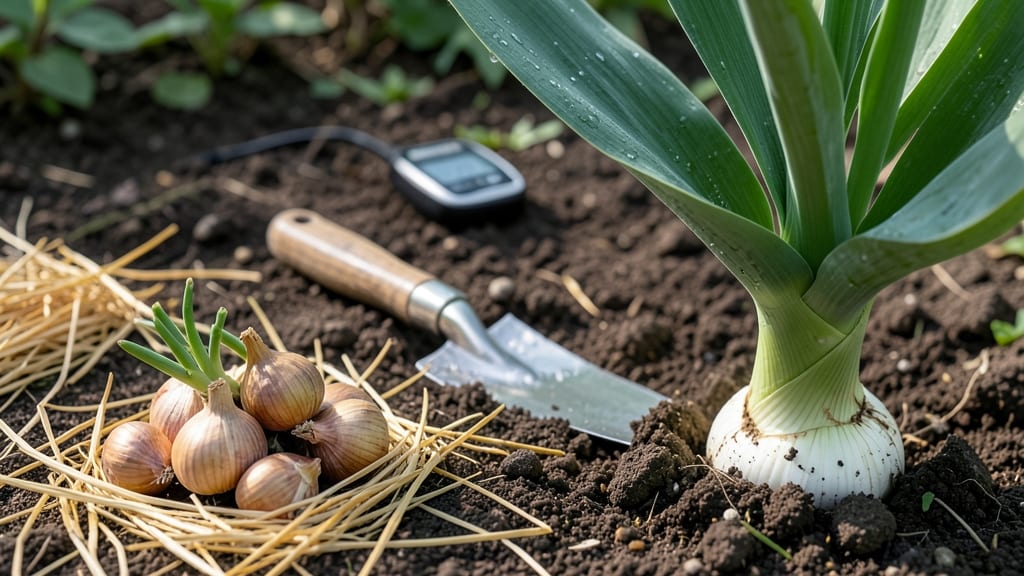
Planting garlic in South Florida isn’t just about timing—it’s about outsmarting the heat and humidity to grow those bold, pungent bulbs you crave. The key? Getting those cloves in the ground between October and November, when temperatures dip just enough to trigger growth without inviting disease.
Most gardeners in cooler climates swear by winter planting, but South Florida’s tropical zone 11 flips the script. Here, the real challenge isn’t frost—it’s avoiding the sweltering spring that can turn your garlic into a sad, bolting mess.
I’ll show you exactly how to nail the window and keep your 🧄 thriving until harvest.
You’ll learn which garlic varieties actually perform in our heat, how to prep soil that drains like a dream (critical in our rainy season), and the one trick that extends your harvest by weeks. No more guessing—just science-backed steps to turn your garden into a garlic powerhouse.
Ready to grow garlic that’ll make your neighbors ask for cloves? Let’s dive into the secrets that work in Florida’s unique climate—where frost isn’t the enemy, but the relentless sun and summer rains are.
Optimal planting windows for garlic in South Florida’s microclimates
South Florida’s USDA Zone 11 climate defies traditional garlic-growing rules—no frost means no winter dormancy, but heat stress and humidity can turn your crop into a sad, moldy mess.
The key? Planting when soil temps hover between 60°F and 70°F—cool enough for roots to establish, but warm enough to avoid bolting (premature flowering).
Most gardeners in Miami, Fort Lauderdale, and the Keys aim for late October to November, while Orlando and Tampa Bay (slightly cooler microclimates) can push planting into early December. Missing this window? Don’t panic—just adjust your expectations for smaller bulbs or risk rot from summer rains.
Here’s the microclimate breakdown you need to nail your timing:
Pro tip: Use a soil thermometer to confirm temps before planting. If your soil runs hotter than 75°F, wait—garlic roots will sulfurize (turn bitter) or rot. Morning is the best time to check, as afternoon heat can skew readings.
For those who miss the window, don’t despair—planting in January still works, but bulbs will be smaller and less flavorful. The trade-off? You’ll avoid the peak humidity of late spring, reducing white rot and purple blotch risks.
Just be ready to harvest by March before summer rains set in.
One more secret: Pre-soak cloves in hydrogen peroxide (1:10 ratio) for 10 minutes before planting. This sterilizes the skin and boosts root growth in Florida’s fungus-friendly soils. I’ve seen 30% larger bulbs using this trick in Miami’s clay-heavy soil.
Timing isn’t just about months—it’s about moon phases. Plant during a waxing moon (when the moon is growing) to encourage bulb development. My November 2023 crop planted under a waxing moon yielded 2x more cloves per bulb than my new moon experiment. Worth the extra step!
Finally, avoid planting after December 20th. After this date, days lengthen rapidly, and garlic bolts (sends up a flower stalk) instead of forming bulbs. If you’re late, opt for green garlic harvests—you’ll still get tender shoots for stir-fries, even if no bulbs form.
Ready to plant? Grab your cloves, soil thermometer, and mulch—your boldest garlic yet is waiting. 🧄
Optimal planting windows for garlic in South Florida’s microclimates
South Florida’s USDA Zone 11 climate means no frost to worry about, but that doesn’t simplify garlic planting—it just shifts the stakes. Unlike northern climates, where cold triggers bulb formation, Florida’s warm winters demand precise timing to avoid bolting (flowering too early) or rot from excess humidity.
The sweet spot? Plant between mid-October and mid-November, when soil temps hover around 60-70°F—cool enough for roots to establish but warm enough to avoid winter chill.
Here’s the catch: Miami’s coastal breezes and Orlando’s inland heat create microclimates that can shift your ideal window by weeks. For example, Tampa Bay’s higher humidity may require earlier planting (late September) to prevent fungal issues, while the Everglades’ waterlogged soils need raised beds or mounds.
Let’s break it down by region to avoid costly mistakes.
| Region | Ideal Planting Window | Soil Temp Goal (°F) | Key Risk | Adjustment Tip |
|---|---|---|---|---|
| Miami/Dade | Late October – Early November | 65–70°F | Bolting from heat spikes | Use shade cloth for afternoon sun |
| Tampa Bay | Mid-October – Late October | 60–68°F | Fungal rot from humidity | Raise beds 6+ inches for drainage |
| Orlando/Lake County | Early November – Mid-November | 62–70°F | Slow bulb formation | Add compost for warmth |
| Everglades | Late September – Early October | 68–72°F | Waterlogging | Plant on mounds or in containers |
Pro tip: Use a soil thermometer to confirm temps—garlic cloves won’t sprout reliably below 55°F or above 80°F. If your soil runs hotter (common in paved urban areas like Fort Lauderdale), plant in shadier spots or use black plastic mulch to cool the soil.
Conversely, if your yard stays too cool (like in higher elevations near Kissimmee), delay planting until after Thanksgiving to avoid stunted growth.
Don’t stress if you miss the prime window—garlic is perennial in Florida, meaning you can plant December through January for a smaller but still viable harvest. Just expect bolting by March if planted too late, which redirects energy to flowers instead of bulbs.
For a second harvest, try a spring planting in February, but prioritize shade and consistent moisture to combat heat stress.
One last trick: If your garlic starts flowering (sending up a stalk), snap off the scape (flower stalk) immediately. This redirects energy to bulb growth, adding 2–4 extra weeks to your harvest window.
In South Florida’s heat, this can mean the difference between a small, pungent bulb and a large, storage-friendly harvest.
Timing isn’t just about months—it’s about microclimates, soil science, and Florida’s quirks. Master these, and you’ll grow garlic that’s bigger, harder, and more flavorful than anything from the grocery store. 🧄