
Plants
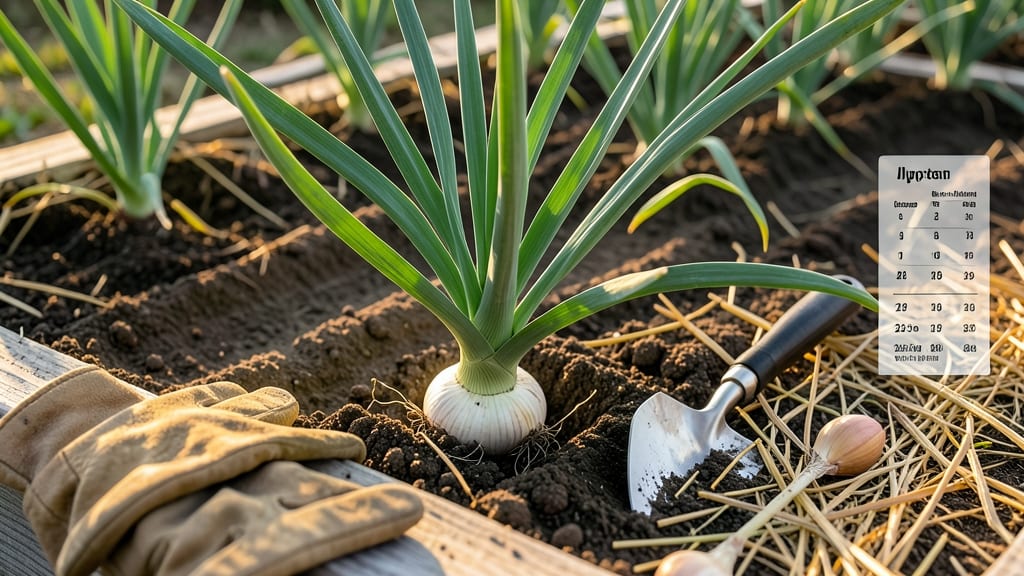
Planting garlic in Upstate New York isn't just about timing—it's about unlocking the secret to hardneck varieties that thrive in your 5b-6b zone. Local farmers know the difference between a mid-October start and a failed crop, and it all comes down to when those cloves hit the soil.
If you've ever wondered why some gardens produce plump, flavorful bulbs while others struggle, the answer lies in understanding your region's frost dates and soil conditions.
Upstate New York's climate demands precision: plant too early, and your garlic may rot; too late, and it won't establish roots before winter sets in.
I've worked with gardeners across the Finger Lakes and Adirondacks to pinpoint the exact window—mid-October to early November—that guarantees success. This isn't just theory; it's what actually works for 🧄 garlic in your backyard, whether you're a beginner or a seasoned grower.
In this guide, I'll walk you through the local techniques that make all the difference, from soil prep to spacing, so you can harvest those prized bulbs come late June. Let's get your garlic off to the best possible start.
Upstate New York garlic planting calendar: exact months for hardneck varieties
Upstate New York’s USDA Zones 5b-6b create a unique challenge for garlic growers. The key to success lies in planting hardneck varieties during a narrow window when soil temperatures drop but frost hasn’t arrived.
Most local farmers target mid-October to early November, but exact timing depends on your specific microclimate within the region.
For the Finger Lakes region, aim for planting between October 15-31 when daytime highs hover around 50°F (10°C). In the Adirondacks, shift your window slightly earlier to October 1-15 due to earlier frost dates. This timing ensures cloves establish roots before winter dormancy begins.
Here’s the critical rule: plant when soil temperatures consistently reach 40-50°F (4-10°C) at 4-inch depth. Use a soil thermometer to verify—this is more accurate than air temperature readings. In Upstate NY, this typically occurs in late October, but watch for first frost warnings from your local Cooperative Extension office.
Spring planting is possible but not recommended for hardneck varieties in Upstate NY. Softneck garlic can be planted in early spring (March-April), but hardnecks won’t develop proper bulbs. If you miss the fall window, consider growing green garlic or garlic chives instead for spring harvests.
Pro tip: mark your calendar for 4-6 weeks before your average first frost date. For most of Upstate NY, this lands in mid-October. Use this timeframe as your planting deadline—cloves need time to establish roots before winter sets in.
In Zone 6b areas like the Finger Lakes, you might extend planting until early November.
Local farmers also recommend avoiding late fall planting (after November 15). Cloves planted too late may not develop strong root systems before winter dormancy begins, leading to smaller bulbs or poor overwintering success. This is especially critical in the Adirondacks, where colder microclimates demand earlier planting.
For container growing in Upstate NY, adjust your timing by 1-2 weeks earlier than in-ground planting. Pots cool down faster in fall, so aim for early October planting to ensure adequate root establishment before frost. Use containers with good drainage and place them in protected microclimates like near south-facing walls.
Remember: the goal is to have cloves rooted but not actively growing when winter arrives. This balance ensures your garlic survives dormancy and emerges strong in spring for that late June harvest that Upstate NY gardeners love. 🌱
5 Critical factors that determine your planting success in Upstate NY
Planting garlic in Upstate New York isn’t just about picking a month—it’s about creating the perfect conditions for your cloves to thrive. Hardneck varieties like Purple Stripe and German White need specific soil, spacing, and care to develop those prized, flavorful bulbs.
Even if you nail the timing, skipping these key factors can lead to stunted growth or poor yields.
First, soil preparation is non-negotiable. Upstate NY’s clay-heavy soils in many areas drain poorly, which garlic hates. Amend your beds with compost or aged manure to loosen the soil and improve drainage.
Aim for a pH between 6.0 and 7.0—garlic is sensitive to acidic or alkaline extremes. A simple soil test kit (available at garden centers) will save you guesswork.
The second critical factor is clove selection. Always plant individual cloves from a whole bulb—never use store-bought garlic, as it’s often treated to prevent sprouting. Choose large, plump cloves from hardneck varieties, which are better suited to Upstate NY’s climate.
Smaller cloves will produce smaller bulbs, so don’t skimp on size. Separate cloves 24 hours before planting to let the cut sides dry and heal slightly.
🌱 Critical Planting Factors for Upstate NY Garlic
- Soil pH: Test and adjust to 6.0-7.0 for optimal growth.
- Clove size: Use large cloves for bigger bulbs.
- Spacing: 6 inches apart in rows 12 inches apart.
- Depth: Plant 2 inches deep with pointy end up.
- Mulch: Apply 4-6 inches of straw after planting.
Next, proper spacing ensures each plant gets enough nutrients and airflow to prevent disease. Space cloves 6 inches apart in rows that are 12 inches apart. Crowding leads to competition for resources, resulting in smaller, weaker bulbs.
If you’re short on space, consider interplanting with spinach or lettuce, which mature earlier and won’t compete with garlic’s long growing season.
Don’t overlook mulching, another game-changer for Upstate NY’s winters. After planting, cover the bed with 4-6 inches of straw or leaves. Mulch insulates the soil, protecting cloves from freeze-thaw cycles that can heave them out of the ground.
It also suppresses weeds and retains moisture—critical during Upstate NY’s dry springs. Just be sure to pull back the mulch in early spring to allow sunlight to warm the soil and kickstart growth.
Finally, avoid these common mistakes that Upstate NY gardeners often make: planting too shallow (cloves need 2 inches of coverage), using wet or compacted soil, or fertilizing in the fall. Garlic doesn’t need fall fertilizer—it’s dormant until spring.
Wait until early spring (when shoots emerge) to apply a light nitrogen boost, like a balanced 5-10-10 fertilizer. Over-fertilizing now can lead to leafy growth at the expense of bulb development.
With these five factors locked in, your hardneck garlic will have the best shot at thriving in Upstate NY’s climate. Next, we’ll dive into how to adjust your approach for the Adirondacks vs. Finger Lakes—where microclimates can make all the difference. 🌿