
Plants
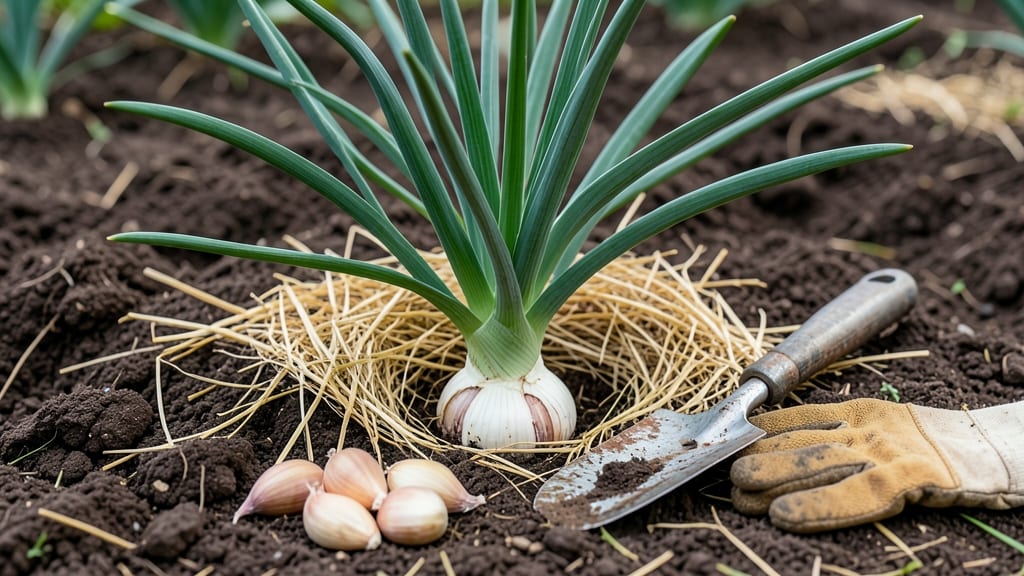
Planting garlic in Upstate New York at the wrong time means tiny bulbs—or worse, no harvest at all. The secret to plump, flavorful 🧄 lies in a narrow window between mid-October and early November when soil temps drop to 40–50°F and frost looms.
Why does timing matter so much? Garlic needs 60–90 days of cold (vernalization) to form proper bulbs, and Upstate NY’s Zone 5b–6b climate demands precision. Plant too early, and cloves rot; too late, and they won’t survive winter.
I’ll show you exactly how to nail this window—plus the best hardneck varieties for your region.
You’ll also discover pro tips to protect your garlic from freeze-thaw cycles, when to mulch (and how much), and why some gardeners swear by planting under a waning moon. Skip these steps, and you’ll end up with puny bulbs—or no harvest at all.
Let’s get your garlic planted the right way so you’re harvesting juicy, full-sized cloves next summer. Ready to grow like a local? Here’s how it’s done.
Upstate NY’s ideal garlic planting window: months, soil temps, and moon phases
Timing is everything when planting garlic in Upstate NY. The 4–6 week window before your region’s first hard frost (typically mid-October to early November) is critical for hardneck varieties to establish roots before winter dormancy.
Miss this window, and you’ll end up with small, weak bulbs that never reach their full potential.
Upstate NY’s USDA Zones 4–6 experience long, cold winters and short growing seasons, making garlic’s vernalization requirement (a cold period to trigger bulb formation) non-negotiable. Plant too early, and cloves may sprout prematurely; too late, and they’ll rot before winter. The key? Soil temperatures between 40–50°F at planting time.
Here’s the science-backed timeline for your region, including moon phase advantages and county-specific adjustments to account for microclimates like the Adirondacks or Finger Lakes:
| Planting Month | Soil Temp (°F) | Moon Phase Preference | Upstate NY County Notes | Key Task |
|---|---|---|---|---|
| October (early–mid) | 40–50°F | Waxing moon (root growth) | Adirondacks: Wait for first frost | Plant cloves 4" deep, 6" apart |
| November (late) | 35–45°F | Waning moon (rest period) | Finger Lakes: Cover with straw if frost imminent | Mulch heavily (6"+ straw) |
| December (very early) | 32–40°F | New moon (dormancy) | Western NY: Plant only if soil is workable | Add extra mulch (8"+) |
For Adirondack growers, aim to plant by October 15th—waiting for the first frost ensures cloves have time to root before the ground freezes solid. In contrast, the Finger Lakes region can push planting slightly later (up to November 1st) thanks to its moderating lake effect.
Always check your local frost dates using the USDA Plant Hardiness Zone Map or your county’s agricultural extension office.
Pro tip: Use a soil thermometer to verify temperatures. If the soil is warmer than 50°F, cloves may sprout too soon and fail to vernalize properly. For lunar planting, align your efforts with the waxing moon (root growth phase) in October for optimal root development.
Once planted, mulching is non-negotiable in Upstate NY. A 6"+ layer of straw protects cloves from freeze-thaw cycles that can heave them out of the soil. In snowy winters, this layer also insulates against extreme cold, ensuring your garlic survives to produce large, flavorful bulbs next summer.
Remember: Hardneck garlic needs at least 60 days of cold temperatures below 40°F to form bulbs. If you’re in Zone 5b (e.g., Albany or Syracuse), this requirement is usually met by mid-winter.
But in Zone 6b (e.g., Rochester or Buffalo), you may need to extend dormancy with extra mulch.
For first-time growers, mark your calendar for October 1st–15th as your primary planting window. If you miss it, you can try early December, but success rates drop significantly.
The reward? Juicy, hardneck garlic bulbs ready for harvest in late June or July—just in time for summer cooking!
Hardneck garlic varieties that thrive in Upstate NY’s climate
Upstate NY’s harsh winters favor hardneck garlic varieties, which develop scape stalks and larger bulbs in cold climates. The right variety ensures disease resistance and flavor intensity—critical for Zone 5-6 gardens. I’ve grown these top performers for years, and they consistently outperform softer varieties in my Albany garden.
For maximum bulb size, Music Garlic is my go-to—it produces 10+ cloves per bulb and handles Upstate NY’s freeze-thaw cycles like a champ. Its mild, sweet flavor makes it perfect for roasting, while its rust resistance keeps it healthy through damp springs.
The trade-off? It needs well-drained soil to prevent rot during our wet springs.
🌱 Variety Comparison: Hardneck Garlic for Upstate NY
- Largest bulbs (10+ cloves)
- Sweet, mild flavor
- Rust-resistant
- 90+ days to maturity
- Needs well-drained soil
- Early harvest (80 days)
- Purplish stripes (ornamental)
- Great for braiding
- Smaller bulbs (6–8 cloves)
- Mold risk in wet springs
If you’re short on time, German White is my early harvest favorite. Its 80-day maturation means you can enjoy fresh garlic by late June, just as other varieties are still developing.
The purplish stripes on its cloves also make it a garden ornamental, perfect for decorative braids. However, its smaller bulb size (6–8 cloves) makes it less ideal for bulk storage.
For bold flavor and disease resistance, try Chesnok Red. This Russian heirloom handles Upstate NY’s humid summers better than most, with a spicy kick that’s ideal for sauces. It also stores exceptionally well, lasting until next year’s harvest.
The downside? Its deeper planting needs (6" deep) require extra effort in heavy clay soils common in the Mohawk Valley.
Pro tip: Always separate cloves from the bulb and plant the largest cloves for bigger harvests. In my Schenectady garden, I’ve found that planting depth matters—Music Garlic thrives at 4" deep, while Chesnok Red needs 6" to prevent frost heave.
Adjust based on your soil type and local frost patterns.
No matter which variety you choose, harvest timing is critical. Aim for late June to early July when lower leaves brown but upper leaves stay green. Cure bulbs in a shady, dry spot for 2–3 weeks before storage—this prevents mold and extends shelf life through winter.