
Plants
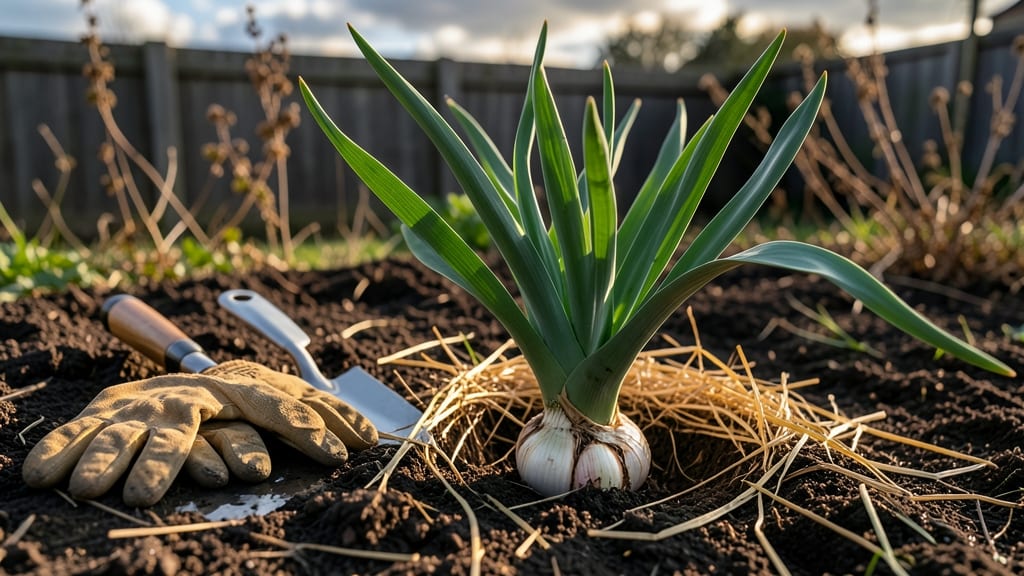
Planting garlic in Virginia at the wrong time means the difference between a bumper crop and a sad, bolted mess. The secret lies in understanding your local chill-hour needs—whether you’re growing hardneck or softneck varieties—and aligning them with Virginia’s 7a-8a climate.
Most Virginia gardeners know fall is the prime window, but timing is everything. Plant too early, and your 🧄 might sprout before winter sets in. Too late, and it won’t get enough cold exposure to form bulbs.
The sweet spot? October to November, when soil temps drop but the ground stays workable.
Hardneck varieties need 400–600 chill hours, while softnecks thrive with 200–300 hours. Piedmont and Shenandoah Valley gardeners should aim for early October, while Tidewater areas might push planting into November. I’ll break down exactly how to calculate your county’s chill hours for foolproof success.
Once you’ve got the timing right, soil prep and spacing become the next critical steps. Loose, well-draining soil and proper clove placement will set you up for a harvest ready by late June or July. Let’s get your garlic off to the best start possible.
Virginia garlic planting calendar: best months by chill-hour needs
Virginia’s USDA zones 7a-8a create unique challenges for garlic growers—chill-hour requirements vary dramatically between hardneck and softneck varieties. Planting too early in Zone 7a risks bolting, while waiting too long in Zone 8a may stunt bulb development. The key? Understanding your local chill hours and adjusting planting dates accordingly.
Most Virginia gardeners aim to plant garlic between mid-October and mid-November, but your exact window depends on whether you’re growing hardneck (400–600 chill hours) or softneck (200–300 chill hours) varieties.
For example, Piedmont’s cooler microclimates (like Charlottesville) can handle late November plantings, while Tidewater’s milder winters (like Norfolk) may require September plantings for softneck varieties.
Here’s how to match your garlic type to Virginia’s regional planting zones:
| Region | Chill Hours | Best Planting Window | Recommended Varieties |
|---|---|---|---|
| Piedmont (e.g., Charlottesville, Staunton) | 500–600 hours | Mid-October – Mid-November | Hardneck: 'Music', 'German White' |
| Shenandoah Valley (e.g., Harrisonburg, Winchester) | 450–550 hours | Late October – Early December | Hardneck: 'Chesnok Red', 'Silverskin' |
| Tidewater (e.g., Norfolk, Virginia Beach) | 250–350 hours | September – Early October | Softneck: 'Artichoke', 'California Early' |
| Northwest (e.g., Roanoke, Blacksburg) | 550–650 hours | Late September – Mid-November | Hardneck: 'German Red', 'Inchelium Red' |
If you’re unsure about your local chill hours, check with your Virginia Cooperative Extension office—they provide free frost date and chill-hour data for your county.
For example, Norfolk’s Tidewater region typically sees 280 chill hours, making it ideal for softneck varieties planted in September, while Staunton’s Piedmont climate accumulates 550 chill hours, perfect for hardneck garlic planted in October.
For gardeners in Zone 8a (like Richmond or Fredericksburg), consider early fall planting in September for softneck varieties or late fall planting in November for hardneck types. The goal is to ensure garlic experiences at least 60 days of cold temperatures below 40°F before resuming growth in spring.
One common mistake is planting garlic too late—if the ground freezes before cloves establish roots, they’ll rot. Aim to plant 4–6 weeks before your first hard frost, which in Virginia typically falls between mid-November and early December, depending on elevation and latitude.
Use a soil thermometer to confirm the ground is below 50°F but not frozen before planting.
Hardneck varieties like 'Music' or 'German White' thrive in Virginia’s cooler Piedmont and Valley regions, while softneck types such as 'Silverskin' or 'Artichoke' suit Tidewater’s milder winters. Spring planting is possible in Virginia but yields smaller bulbs and is only recommended for softneck varieties in Zone 8a.
To extend your garlic-growing season, consider row covers or cold frames in Zone 7a to protect early plantings from unexpected freezes. Mulch with straw or leaves after planting to insulate bulbs and prevent soil heaving during freeze-thaw cycles.
This is especially critical in Shenandoah Valley, where temperatures can fluctuate dramatically.
Remember, garlic planted in fall will harvest the following late June to July, while spring-planted garlic (a riskier bet in Virginia) may not mature until August or September. For the best results, stick to fall planting and choose varieties matched to your local chill hours.
🌱
How to calculate your Virginia county’s chill hours for garlic success
Garlic thrives when it receives the right amount of chill hours—temperatures between 32°F and 45°F—to form bulbs. In Virginia, this varies by region, from 200 hours in Tidewater to 600 hours in the Shenandoah Valley.
Without accurate chill-hour data, your garlic might bolt or produce small bulbs. Let’s break down how to find your local chill-hour total using free, reliable tools.
Start by checking the USDA Plant Hardiness Zone Map for your Virginia county. Most of the state falls within Zone 7a-8a, but microclimates—like valleys or coastal areas—can shift chill-hour totals by 100+ hours.
For example, Roanoke (Zone 7a) averages 500 chill hours, while Norfolk (Zone 8a) might only hit 300 hours. This difference explains why hardneck garlic struggles in Tidewater but excels in the mountains.
📋 Step-by-Step Chill-Hour Calculation Guide
- Find your county’s NOAA weather station (e.g., NOAA Climate Data) and locate annual temperature records.
- Use a chill-hour calculator like the University of Maryland Extension Tool or Garlic Chill Hours App to input your zip code.
- Compare your total to garlic variety needs: Hardneck needs 400–600 hours; softneck, 200–300 hours.
- Adjust planting dates if your chill hours are borderline. For example, if you’re in Zone 8a with 250 hours, plant softneck varieties in early November for a December freeze.
Local Virginia Cooperative Extension offices also provide free chill-hour data tailored to your county. Call or visit their website to ask for historical temperature logs—they often include 30-year averages that account for climate trends.
For instance, Blacksburg (Zone 7b) typically hits 550 chill hours, making it ideal for hardneck garlic like ‘Music’ or ‘German White’. If you’re unsure, ask about on-farm trials they’ve conducted with garlic.
Pro tip: Plant test rows in late October and November to compare bulb development. If your garlic bolts (sends up a flower stalk) by March 1st, you likely didn’t get enough chill hours.
In this case, switch to softneck varieties or plant earlier next year. For example, ‘Silverskin’ tolerates 200 chill hours, so it’s a safer bet in Zone 8a areas like Richmond.
Don’t overlook microclimates in your yard. A north-facing slope might add 50–100 extra chill hours compared to a south-facing bed. Use a minimum-maximum thermometer buried near your planting site for 7–10 days during winter to verify your local chill hours.
This DIY method ensures your garlic gets the precise cold exposure it needs to form bulbs.
Once you’ve nailed down your chill hours, use this rule of thumb: Plant hardneck garlic 4–6 weeks before your first hard freeze (usually mid-October to early November in Virginia). For softneck, aim for late November to early December in milder zones like Tidewater.
With this data, you’ll avoid the heartbreak of small, pithy bulbs and instead harvest plump, flavorful garlic by late June or July.