
Plants
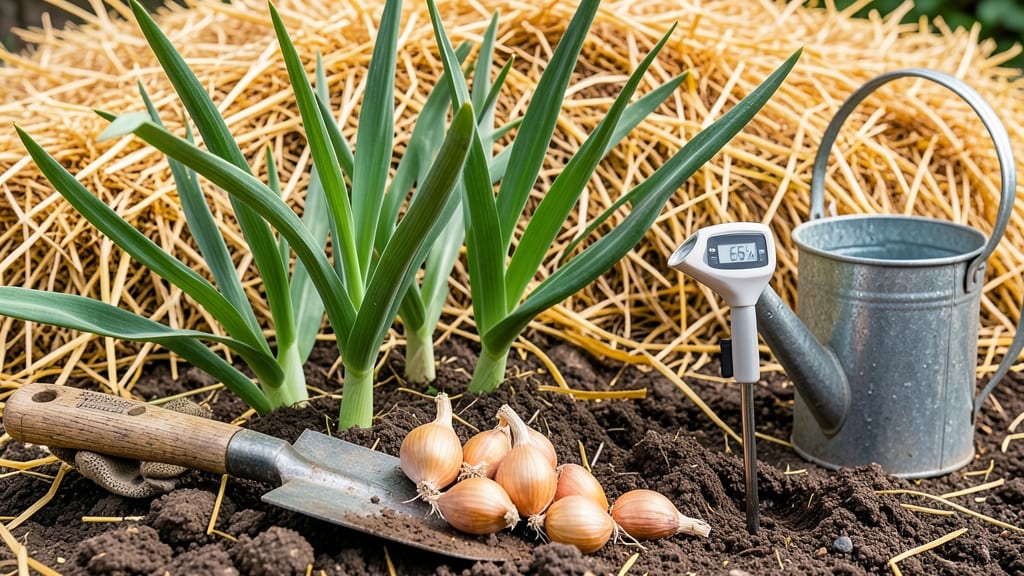
Planting garlic in Zone 10 isn’t just about throwing cloves in the ground—it’s about working with your mild climate to grow bold, flavorful bulbs that thrive where frost never touches.
Most gardeners assume garlic needs cold winters to form, but in California’s coastal warmth, the key is timing your plantings for cooler months when heat stress fades.
If you’ve ever watched your garlic cloves sprout in summer only to wilt under the sun, you’re not alone. The trick is planting in late fall or early winter—when temperatures dip just enough to trigger root growth without the risk of scorching.
This isn’t your grandma’s garlic advice; it’s a science-backed approach tailored for Zone 10’s unique microclimates.
I’ll walk you through the exact months to plant, how to prep your soil for success, and which garlic varieties actually thrive in your climate. No more guessing—just a straightforward plan to turn your garden into a garlic powerhouse by next summer.
Ready to skip the trial-and-error? Let’s dive into the three-step planting strategy that’s worked for me (and dozens of other Zone 10 gardeners) to grow garlic that’s bigger, stronger, and packed with flavor.
Best months to plant garlic in Zone 10 for maximum yield
In Zone 10, where frost is a myth and summer heat dominates, garlic thrives—but only if planted during the coolest months. Most gardeners in colder zones plant in fall, but Zone 10’s climate flips the script.
Here, the ideal window is October through December, when temperatures dip below 75°F and humidity eases. This timing lets garlic establish roots before summer’s relentless sun.
Garlic needs 60-90 days of cool weather to form bulbs, so planting in late fall or early winter ensures success. Avoid summer planting—garlic hates heat stress, and cloves planted in spring or summer often bolt or produce tiny, pithy bulbs.
Even Zone 10’s mild winters provide the perfect chill for bulb development.
For hardneck varieties (like ‘German White’), aim for October planting—they need a cold snap to trigger bulb formation, even in Zone 10. Softneck types (e.g., ‘Silverskin’) are more forgiving; they tolerate November or December plantings and even perform well in cooler microclimates like coastal areas.
Here’s the golden rule: Plant when daytime highs hover around 70-75°F and nights dip below 60°F. In Southern California, this aligns with late October to early December. Miss this window, and you risk heat stress or pest pressure from thrips and aphids.
Soil prep is non-negotiable in Zone 10. Garlic hates compacted or waterlogged soil, common in clay-heavy areas like the Central Valley. Amend beds with compost and coarse sand to improve drainage. Test your soil’s pH (6.0-7.0)—garlic is sensitive to alkalinity, which is rampant in Southern California soils.
Use well-rotted manure or composted chicken manure for nutrients, but skip fresh manure—it burns roots. In sandy soils (common in coastal areas), mix in peat moss or coconut coir to retain moisture. Mulch with straw or wood chips after planting to suppress weeds and retain moisture during dry spells.
Pro tip: In Zone 10’s inland areas (e.g., Palm Springs), plant garlic in elevated beds to improve drainage. Coastal gardeners can plant directly into the ground, but avoid low-lying spots where winter rains cause waterlogging.
If your area gets frequent fog (like San Francisco), opt for November planting to balance moisture and cool temps.
Remember, Zone 10’s microclimates vary wildly. A Los Angeles garden might see 80°F days in December, while Santa Barbara’s coastal fog keeps temps ideal. Monitor your local weather patterns and adjust planting dates accordingly. With the right timing, your garlic will thrive—even without frost!
How to adapt garlic planting for Zone 10’s heat and humidity
Zone 10’s warm winters and high humidity throw traditional garlic planting advice out the window. Unlike cooler climates where garlic thrives in fall planting, your mild winters demand a different approach.
The key? Planting when temperatures dip just enough to break dormancy—typically October through December—while avoiding the scorching summer heat that stunts growth.
I’ve found that Silverskin garlic varieties handle Zone 10’s humidity best, while Artichoke types struggle unless given extra shade. The goal is to mimic the cooling period garlic needs to form bulbs, even if frost isn’t a factor.
Think of it as tricking your garlic into thinking winter is coming—without the frost!
- ✅ Plant in fall (Oct-Dec) when soil temps drop to 60-65°F—use a soil thermometer to check.
- ✅ Use shade cloth (30-50%) if planting in full sun during summer months to prevent heat stress.
- ✅ Mulch heavily with straw or wood chips (3-4 inches) to retain moisture and cool roots.
One mistake I see often? Gardeners in Zone 10 try to plant garlic in spring, thinking it’s too late for fall. But spring planting means your bulbs will face peak summer heat—when garlic essentially goes into survival mode.
Instead, focus on late fall planting for the best bulb development.
For variety selection, I recommend ‘Silverskin’ garlic for its heat tolerance and ‘California Early’, a softneck type bred for mild climates. Avoid hardneck varieties like ‘Rockstar’, which need cold vernalization to form scapes.
In Zone 10, you’ll get bulbs without scapes, but the flavor remains robust if planted correctly.
Watering is another critical adaptation. Unlike cooler zones, Zone 10’s humidity can lead to fungal diseases like white rot if you overwater. I water deeply every 7-10 days in fall/winter, then reduce to bi-weekly once established. Always water in the evening to prevent evaporation and fungal spores from spreading.
Finally, don’t underestimate the power of well-draining soil. Zone 10 often has clay-heavy soils that trap moisture. Amend with compost and perlite before planting, and consider raised beds if your soil is particularly dense. This small step can mean the difference between rotten cloves and plump, flavorful bulbs.