
Plants
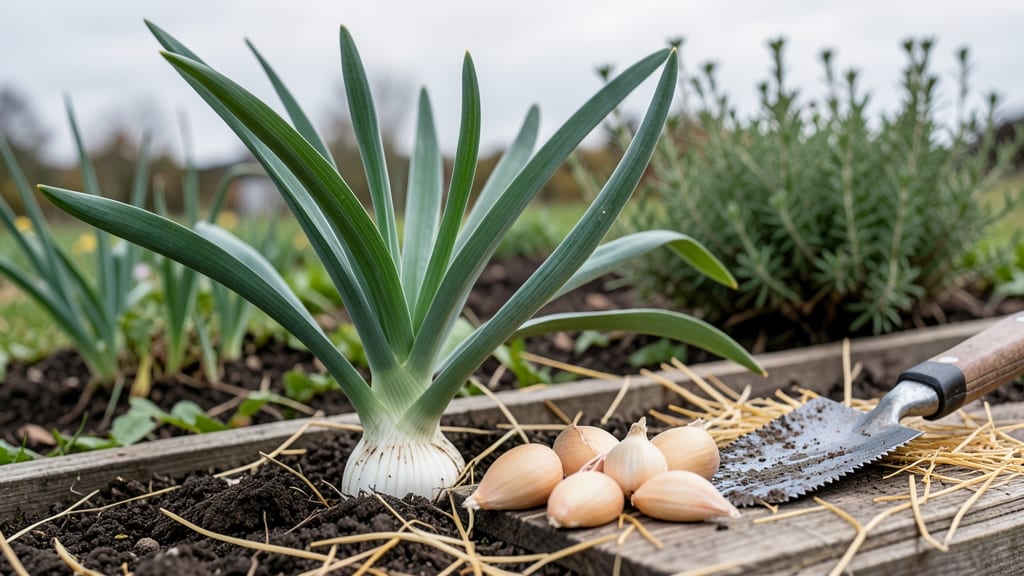
Planting garlic in Zone 4 at the wrong time can turn your 🧄 dreams into disappointment—but timing isn’t just about months, it’s about the cold that makes hardneck garlic thrive.
If you’ve ever wondered why some gardeners get plump bulbs while others struggle, the answer lies in those crisp fall days when the soil cools and the days grow short.
Here’s the secret: Zone 4’s sweet spot for planting is between October and November, when the ground is workable but still has weeks left to freeze.
This isn’t just guesswork—it’s about giving your garlic the 6-8 weeks of cold stratification it needs to develop strong roots before winter sets in.
I’ve learned the hard way that planting too early or too late can mean smaller bulbs or even failure. But don’t worry—this guide will walk you through the exact steps to time your planting, prep your soil, and protect your crop through winter.
Whether you’re a first-timer or a seasoned gardener, these tips will help you grow the biggest, healthiest garlic your Zone 4 garden has ever seen.
Ready to turn your fall planting into next summer’s harvest? Let’s get those cloves in the ground the right way—no more wasted effort, just bold, flavorful garlic that’ll make your kitchen (and your neighbors) jealous.
Best planting months for hardneck garlic in Zone 4
In Zone 4, timing is everything when planting hardneck garlic. The ideal window is late fall—specifically, October through November—when soil temperatures drop below 50°F (10°C) but before the ground freezes.
This cold period, called vernalization, triggers bulb formation. Planting too early or late can stunt growth or prevent bulb development entirely.
For Zone 4 gardeners, aim to plant 4-6 weeks before the first hard frost. In most Zone 4 areas, this means mid-October to early November. If you miss this window, you can try planting in early spring, but bulbs may be smaller and less flavorful.
The key is ensuring garlic gets at least 6-8 weeks of cold before actively growing in spring.
Soil temperature is your best guide. Use a soil thermometer to confirm temps are below 50°F (10°C) at planting time. If the ground is still warm, wait—garlic won’t thrive. Cold stratification is non-negotiable for hardneck varieties like ‘Music,’ ‘German White,’ or ‘Chesnok Red’, which are popular in colder climates.
Adjust your planting date based on your last frost date. In Zone 4, the first frost typically hits mid-October, so work backward from there. For example, if your frost date is October 15th, plant by early October to give roots time to establish before winter sets in.
Here’s a quick rule of thumb: Plant garlic when your lawn stops growing and the soil feels cool to the touch. This usually aligns with late October in most of Zone 4. If you’re unsure, err on the earlier side—garlic planted too late may not develop properly before spring.
🌱
| Planting Window | Soil Temp | Cold Requirement | Notes |
|---|---|---|---|
| Late October | 45-50°F (7-10°C) | 6-8 weeks | Best for large bulbs |
| Early November | 40-45°F (4-7°C) | 6-8 weeks | Still ideal if ground isn’t frozen |
| Early Spring (backup) | 40-50°F (4-10°C) | None | Smaller bulbs, less flavor |
If you’re planting in late fall, don’t worry about snow cover—garlic thrives under a blanket of snow, which insulates roots. However, avoid planting if the ground is frozen or waterlogged.
Wait for soil to thaw and drain well. In Zone 4’s short growing season, every week counts, so mark your calendar for mid-October as your target.
For container gardening in Zone 4, the same rules apply, but use well-draining pots and plant slightly earlier (by 1-2 weeks) to account for heat loss. Containers freeze faster, so monitor soil temps closely. Place pots in south-facing spots to maximize warmth during the day.
Pro tip: If you’re new to garlic growing, start with ‘Silverskin’ or ‘Artichoke’ varieties, which are more forgiving than hardneck types.
But for Zone 4’s climate, hardneck varieties like ‘Music’ or ‘Korean Red’ are worth the extra care—they produce larger cloves and scape shoots (edible stems) for bonus harvests.
🌿
After planting, mulch heavily with straw or leaves (4-6 inches deep) to protect cloves from freeze-thaw cycles. This mulch layer also suppresses weeds and retains moisture.
In Zone 4’s harsh winters, mulch is your garlic’s best friend—it can mean the difference between a healthy crop and frozen cloves.
Finally, resist the urge to fertilize in fall. Garlic doesn’t need extra nutrients until spring. Focus on soil prep instead: amend beds with compost or aged manure in early fall to give roots a nutrient boost before winter. This sets the stage for strong bulb development once spring arrives.
☀️
Best planting months for hardneck garlic in Zone 4
In Zone 4, timing is everything when planting hardneck garlic. The ideal window is between mid-October and November, giving cloves time to establish roots before winter. This cold stratification period is crucial—it mimics garlic's natural growing cycle and produces larger bulbs.
Plant too early, and cloves may sprout before frost; too late, and they won’t root properly.
Check your soil temperature—it should be between 40°F and 50°F at planting time. In Zone 4, this usually aligns with late fall. Use a soil thermometer if unsure; cooler temps delay sprouting until spring, while warmer soils risk early growth that can’t survive winter.
Adjust your schedule based on your first frost date (typically mid-October in Zone 4).
🌱 Zone 4 Garlic Planting Timeline
| Stage | Action | Key Notes |
|---|---|---|
| Soil Prep | Test pH (6.0–7.0), amend with compost | Use well-draining soil |
| Planting Window | October 15–November 15 | 4–6 weeks before hard freeze |
| Frost Requirement | 4–6 weeks of cold (below 40°F) | Essential for bulb formation |
| Harvest Ready | Mid-July to August | Lower leaves brown and dry |
If your fall is unusually warm, plant in early October to avoid early sprouting. Conversely, if early frosts arrive sooner, shift to late November—just ensure cloves have 4–6 weeks to root before the ground freezes solid.
Mulching with 4–6 inches of straw after planting insulates soil and protects cloves through winter. This method works even if temps dip below -20°F.
Spring planting is possible but risky in Zone 4. If you miss the fall window, plant in early spring (March–April), but expect smaller bulbs since they won’t undergo cold stratification.
For best results, stick to fall—it’s the gold standard for hardneck garlic in cold climates. Your goal? Large, flavorful bulbs that store well through winter.
Pro tip: Use last year’s garlic for planting—it’s already adapted to your climate. Separate cloves just before planting, ensuring each has a paper-like skin and no signs of mold.
Store them in a cool, dark place (like a mesh bag in the fridge) until planting day. This keeps them fresh and ready to grow.
Remember, patience pays off with garlic. The 6-month wait from planting to harvest is worth it for bulbs that’ll keep your kitchen stocked all year. Mark your calendar now—October 15 is your target date in most of Zone 4! 🌱