
Planting
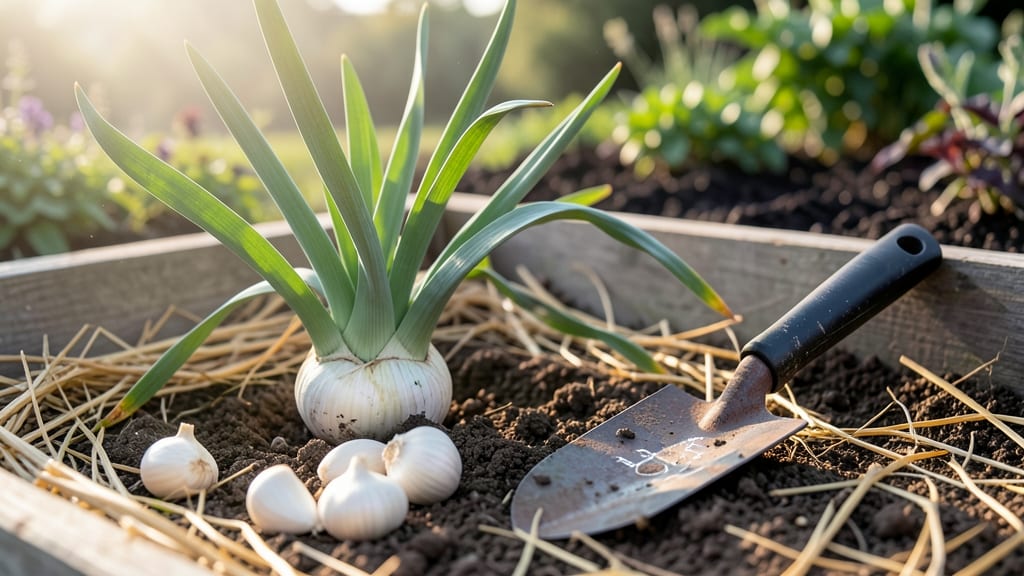
Planting garlic at the wrong time in Zone 8 can mean the difference between plump, flavorful bulbs and sad, heat-stressed cloves—so timing is everything.
With Zone 8’s mild winters and early springs, you’ve got just a 4–6 week window to plant 🧄 before the ground freezes. Miss that mark, and your garlic might bolt or fail to form proper bulbs.
The key is planting 4–6 weeks before your first frost—typically in late October or early November—but there’s more to it than just the calendar.
In this guide, I’ll walk you through the exact months for hardneck and softneck varieties, how to prep your soil for maximum bulb growth, and three critical strategies to protect your crop from Zone 8’s heat stress.
Whether you’re a first-time planter or a seasoned gardener, these tips will help you grow garlic that’s bigger, healthier, and ready to harvest by late spring.
Let’s get your garlic in the ground at the perfect time—so you can enjoy a bountiful harvest when it matters most.
Zone 8 garlic planting calendar: exact months for hardneck vs. softneck varieties
Timing garlic correctly in Zone 8 is your secret weapon for avoiding heat-stressed bulbs or premature bolting. Unlike cooler climates, Zone 8’s mild winters and early springs demand precision—plant too early, and your garlic may sprout too soon; too late, and bulbs won’t mature before summer’s heat. The ideal window is 4–6 weeks before your first frost, typically mid-October to early November, but hardneck and softneck varieties have slightly different needs.
Zone 8’s variable microclimates (coastal vs. inland) can shift optimal dates by 2–4 weeks. For example, coastal areas like San Diego may plant as late as December, while inland regions like Phoenix should aim for October.
Always check your last frost date—most Zone 8 gardeners experience theirs around January 15, but this varies.
Soil temperature is your best guide: garlic cloves need 40–50°F soil to sprout consistently. Use a soil thermometer to confirm—planting when temps drop below 50°F risks slow germination. Moon phases also play a role; planting during a waxing moon (when roots grow stronger) can improve bulb formation.
Here’s the key difference between hardneck and softneck varieties in Zone 8:
Hardneck varieties like Rocambole or Purple Stripe are bolting-sensitive, meaning they’ll flower prematurely if exposed to warm spring temps too soon. Plant them 4–6 weeks before frost to ensure bulbs form before March’s heat.
Softnecks like Silverskin are more heat-tolerant and can handle slightly later plantings, but they still need cool winter dormancy to develop properly.
If you miss the fall window, you can try spring planting in Zone 8, but results are hit-or-miss. Spring-planted garlic often produces smaller bulbs and may bolt before maturing. For best results, stick to fall—it’s the only reliable method for large, flavorful bulbs in Zone 8’s climate.
Pro tip: Break apart garlic bulbs into individual cloves just before planting. Use the largest cloves for the best bulb size next year. Plant them pointy-end up, 2 inches deep, and 4–6 inches apart in rows 12 inches apart.
This spacing gives bulbs room to expand and reduces competition for nutrients.
Once planted, mulch heavily with straw or leaves to insulate cloves from freeze-thaw cycles and retain moisture. In Zone 8, where winters are mild but unpredictable, this step is non-negotiable for preventing bulb rot or poor germination.
Keep an eye on leaf growth in early spring. If leaves start yellowing or dying back too soon, your garlic is signaling it’s ready to harvest—usually late May to early June.
But if you see flower stalks (scape) emerging in hardnecks, snip them off to redirect energy into bulb formation.
Zone 8’s long growing season is a double-edged sword: it gives garlic plenty of time to mature, but it also means summer heat arrives early. By late June, temps can climb into the 90s°F, stressing your crop.
That’s why timing your planting isn’t just about frost—it’s about avoiding heat stress before bulbs are fully formed.
How to prepare Zone 8 soil for maximum garlic bulb growth (before and after planting)
Zone 8’s mild winters and warm summers create unique soil challenges for garlic. The key to plump bulbs lies in preparing your soil 6–8 weeks before planting, when temperatures hover between 50–65°F. Unlike colder zones, Zone 8 soils often compact easily or bake dry—both enemies of garlic roots.
Start by testing your soil’s pH level (aim for 6.0–7.0). Garlic hates acidity, so amend with lime or wood ash if needed. My go-to trick? Mix in composted manure or leaf mold to improve drainage while retaining moisture—critical during Zone 8’s dry spells.
🌱 Soil Prep Checklist for Zone 8 Garlic
- ✅ Test pH (6.0–7.0 ideal)
- ✅ Add compost (2–3 inches deep)
- ✅ Loosen clay soil with gypsum if compacted
- ✅ Mulch heavily (straw or grass clippings)
- ✅ Avoid fresh manure (can cause bolting)
After planting, mulching is non-negotiable in Zone 8. I use straw or shredded leaves (4–6 inches thick) to insulate roots from summer heat and retain moisture. Avoid grass clippings—they mat down and suffocate plants. Water deeply once weekly (more in drought), always in the morning to prevent fungal diseases.
Watch for Zone 8-specific pitfalls: Overwatering in mild winters can rot cloves, while summer drought stunts bulbs. My rule? Let the top 2 inches of soil dry between waterings after establishment. A soil moisture meter is worth its weight in garlic here!
For extra insurance, side-dress with aged compost in late winter when shoots emerge. Skip synthetic fertilizers—they encourage leafy growth at the expense of bulbs. Instead, focus on organic matter and consistent moisture to coax those coveted Zone 8-sized cloves.
Remember: The best soil prep in Zone 8 isn’t just about nutrients—it’s about temperature control and moisture balance. With these tweaks, your garlic will thrive even when summer looms.