
Plants
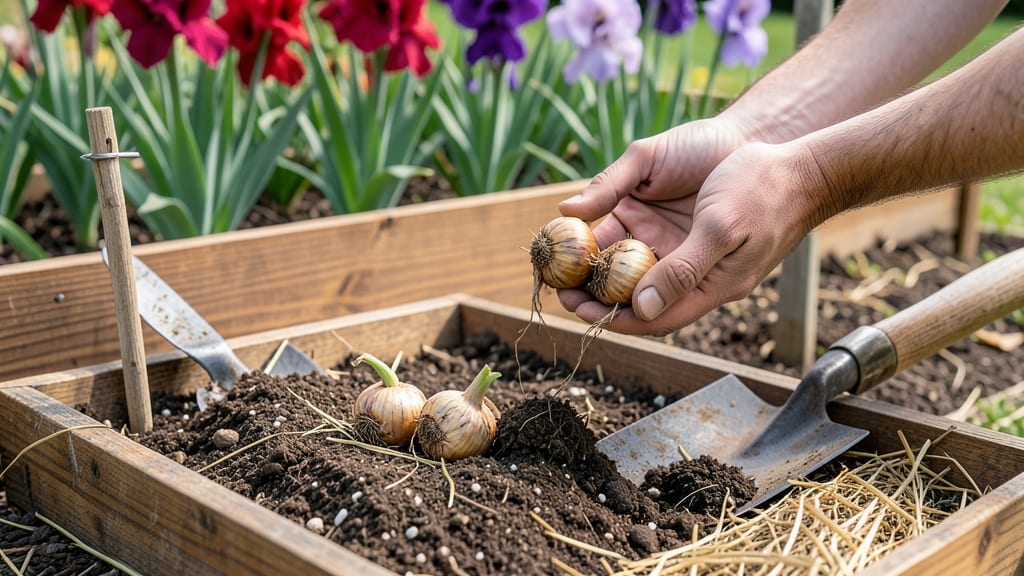
Planting gladiolus bulbs in California isn’t just about timing—it’s about unlocking those bold summer blooms 🌸 that can thrive despite the state’s wild climate swings.
Whether you’re in coastal San Francisco or the Central Valley’s heat, getting the months right means the difference between a garden full of vibrant spikes and one that fizzles under stress.
The key to success lies in understanding your microclimate. Coastal gardeners can plant year-round, while inland zones should wait until after the last frost—usually February to April.
But here’s the twist: even within these windows, early or late varieties can stretch your blooms from Memorial Day to Labor Day if you time it just right.
I’ll walk you through exactly when to pop those corms into the soil, how to prep your beds for California’s alkaline soil, and which varieties hold up best in your specific corner of the state. No more guesswork—just stress-free summer color that’ll make your neighbors green with envy.
Ready to turn your garden into a gladiolus showstopper? Let’s dive into the region-specific planting schedule that’ll have your 🌸 standing tall from June through September.
California’s best gladiolus planting months by region (coastal vs. desert vs. valley)
Gladiolus bulbs—those dramatic summer showstoppers—thrive in California, but planting timing varies wildly depending on whether you’re in foggy San Francisco, scorching Palm Springs, or the Central Valley’s heat islands.
Coastal gardeners can plant year-round, while inland areas must time corms to avoid late frosts or summer drought stress. Let’s break it down by microclimate so your glads bloom bold and bright.
First, know your last frost date: Coastal zones like San Francisco (Zone 10) see none, while inland Sacramento (Zone 9) averages January 15, and desert Palm Springs (Zone 10b) has zero frost risk.
Plant gladiolus corms 6-8 weeks before your first expected bloom, since they need 90-120 days to reach full flower.
For coastal California (e.g., San Francisco, Santa Barbara), plant gladiolus bulbs in January through April. The mild winters mean you can even extend blooms into fall by planting late-summer corms (August-September) for holiday-season color. Just ensure well-draining soil to prevent rot from winter rains.
In the Central Valley (e.g., Sacramento, Fresno), aim for February 15 to March 15. This gives corms time to establish roots before spring heat ramps up. Early March plantings often yield Memorial Day blooms, while late April can stretch flowers to July 4th.
Use mulch to retain moisture during 100°F+ days.
Southern desert regions (e.g., Palm Springs, Riverside) have no frost risk, so plant year-round with peaks in February and September. September plantings escape peak summer heat and bloom by Christmas.
Always water deeply after planting and avoid overhead irrigation to prevent fungal diseases in the dry heat.
Pro tip: Use heat-tolerant varieties like 'Red Shade' or 'Pink Parfait' for inland areas, while cooler-climate types such as 'White Prosperity' shine in coastal fog. Always soak corms in water for 2 hours before planting to jumpstart root growth in California’s alkaline soils.
For extended blooms, stagger plantings every 2-3 weeks. For example, plant one batch in February for May flowers, then another in March for June color. This sequential planting ensures continuous summer displays and maximizes your garden’s visual impact.
Remember: Gladiolus corms don’t survive California winters in the ground (except coastal zones). After blooming, dig up, dry, and store corms in paper bags in a cool, dark place until next season. This annual cycle keeps your collection thriving year after year.
Need Memorial Day blooms? Plant January 15 in the Central Valley or February 1 in desert areas. For Labor Day extensions, try late-May plantings—just water deeply and shade young shoots from intense afternoon sun. Your gladiolus dreams are just a well-timed corm away!
How to adjust planting dates for early/frost-free or late-harvest gladiolus varieties
Timing your gladiolus planting isn’t just about the calendar—it’s about matching variety traits to your bloom goals. Want Memorial Day displays? Or Labor Day extensions?
The key lies in selecting heat-tolerant or cool-season varieties and adjusting your schedule accordingly. Early bloomers like 'White Prosperity' thrive with a February start, while late varieties such as 'Black Star' need a May planting for fall color.
California’s microclimates add another layer. In coastal areas, you can push planting into early spring (even January) thanks to mild winters. But inland? Wait until mid-April to avoid heat stress on emerging shoots.
The 120-day rule is your guide: count backward from your target bloom date to determine planting time.
For Memorial Day blooms (late May), plant corms in early February in the Central Valley or late January along the coast. Aim for 60-75 days to flowering for early varieties. In Southern California deserts, delay until March to escape winter chill but avoid summer’s intense heat.
- 📅 Early blooms (Memorial Day): Plant February-March for 60-75-day varieties like 'Picasso' or 'Green Star'.
- 🌡️ Heat-tolerant picks: 'Black Star' or 'Red Shades' handle 90°F+ better than cooler varieties.
- 🌿 Late-season extensions: Plant May-June for Labor Day color using 105-120-day varieties.
- ❄️ Coastal advantage: Year-round planting possible; January starts work for spring blooms.
- 💧 Watering hack: Deep soak 2x/week after planting to establish roots before dry spells.
Don’t overlook soil prep for adjusted timelines. If planting in May for late blooms, amend soil with compost to retain moisture during summer’s drought stress. Mulch with straw to protect corms from temperature swings. For early starts, use row covers if frost threatens in Northern California.
Pro tip: Label your varieties if mixing bloom times. 'Green Star'February will bloom alongside 'Black Star'March, creating a staggered display. This technique maximizes your garden’s seasonal interest while minimizing wasted space.
Remember, gladiolus are sun lovers, but afternoon shade in Southern California can prevent heat scorch on leaves. Pair late-planted varieties with tall grasses or sunflowers for natural shade and a textured backdrop.
With the right adjustments, your gladiolus can bloom from June through September—a garden highlight no matter your region.