
Plants
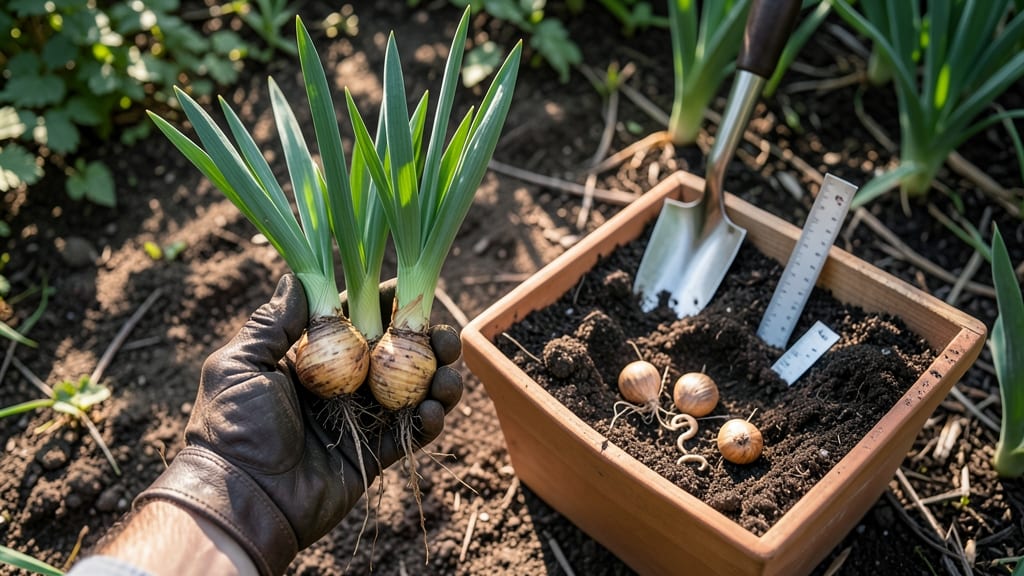
Planting gladiolus bulbs at the right time in North Carolina can turn your summer garden into a showstopper—if you time it perfectly. With NC’s 6b-8a climate zones, waiting too long risks stunted blooms, while planting too early means frost damage.
The key is knowing exactly when to get those corms in the ground for bold, healthy 🌸 flowers by August.
Most gardeners in NC aim for late March to mid-April, but that window shifts depending on whether you're in the mountains, Piedmont, or coastal areas. A late frost in the mountains might delay planting until early April, while coastal zones can start as early as February.
The goal? Plant 4-6 weeks before your last frost date—so if your frost date is March 15, you’re looking at early February planting.
Why does timing matter so much? Gladiolus bulbs need consistent warmth to sprout, but they also hate soggy soil. NC’s unpredictable spring weather—think sudden heatwaves or lingering cold snaps—can throw off even the best-laid plans.
I’ll show you how to adjust for your specific zone, plus tricks to protect your plants if Mother Nature throws a curveball.
Once you’ve got the timing down, the rest is easy: full sun, well-drained soil, and a little patience. By following these NC-specific tips, you’ll be cutting those dramatic 5-foot-tall 🌸 blooms by late summer—just in time for your garden’s grand finale.
NC-specific gladiolus planting timeline: weeks before last frost for peak blooms
North Carolina’s diverse climate—from the Coastal Plain to the Appalachian Mountains—means gladiolus planting times vary dramatically. In USDA Zones 6b-8a, your last frost date shifts from mid-February in the mountains to mid-March along the coast.
To maximize blooms, plant 4-6 weeks before your area’s average last frost, ensuring roots establish before summer heat arrives.
For Zone 6b (Piedmont), aim for late March planting, while Zone 8a (Coastal) gardeners can start as early as mid-February. Mountain regions (Zone 7a) should wait until early April to avoid late frosts.
Soil temperatures below 55°F can stunt growth, so use a soil thermometer to confirm readiness—especially in cooler microclimates like urban gardens surrounded by pavement.
Here’s your NC-specific planting timeline broken down by region, including soil prep tips and frost-free windows for bold summer blooms:
| Region | USDA Zone | Last Frost Date | Planting Window | Soil Temp Goal | Key Tip |
|---|---|---|---|---|---|
| Coastal Plain | 8a | Feb 15 | Mid-Feb to Early Mar | 55°F+ | Use black plastic mulch to warm soil faster. |
| Piedmont | 7a | Mar 1 | Late Feb to Mid-Mar | 60°F+ | Choose early-blooming varieties like 'Picasso' for shorter seasons. |
| Mountains | 6b | Mar 15 | Early to Mid-Apr | 65°F+ | Extend season with row covers if late frosts occur. |
Urban gardeners in heat islands (like Raleigh or Charlotte) may plant 2-3 weeks earlier than rural areas due to microclimates. Test soil drainage first—gladiolus corms rot in soggy soil.
Amend heavy clay with compost or sand to improve aeration. In sandy Coastal soils, add organic matter to retain moisture during NC’s dry summers.
Pro tip: Plant staggered batches every 2 weeks for continuous blooms from July through September. For example, start with early-season corms in March, followed by mid-season in April, and late-season in early May. This ensures your garden never lacks those dramatic spike-like blooms.
After planting, maintain 1-2 inches of mulch to regulate soil temperature and suppress weeds. In Zone 8a, you can even plant a second crop in late summer (August) for fall blooms, though these may not mature fully before frost.
Just be prepared to dig and store corms if temperatures drop below 40°F.
Remember: Gladiolus corms are not frost-hardy. If an unexpected late frost hits, cover plants with frost cloth or old blankets. The mountain regions see the latest frosts, so have a backup plan for row covers or a greenhouse to protect young shoots.
For container gardening in NC, plant corms in pots by mid-April and place them in a sunny spot. Containers warm up faster than garden beds, giving you a 2-week head start on in-ground planting. Just ensure pots have drainage holes to prevent root rot—a common issue in NC’s humid summers.
Timing isn’t just about frost—it’s also about bloom synchronization. Plant early varieties first to enjoy July blooms, while late varieties will shine in September. With NC’s 90-120 day growing season for gladiolus, precise planting ensures your garden stays vibrant through the dog days of summer.
How to adjust gladiolus planting for NC’s unpredictable spring weather patterns
North Carolina’s spring weather can be as unpredictable as a gladiolus in a tornado. Late frosts, sudden heatwaves, and regional microclimates mean your planting schedule might need last-minute adjustments.
The key is flexibility—knowing when to push back or speed up your planting to avoid frost damage or overheating. Here’s how to stay ahead of NC’s whims.
First, monitor your local last frost date. While the average for most of NC falls around mid-March, the Piedmont can experience frosts as late as April 1, and the Coastal Plain might see them by March 15.
Use a frost calendar from your county extension office or a local weather app to track real-time updates. If a frost warning pops up after you’ve planted, cover young shoots with row fabric or a cloche to protect tender growth.
For areas prone to late frosts, like the Mountains, consider a two-phase planting strategy. Plant half your corms 4-6 weeks before your average last frost and the other half 2-3 weeks later.
This spreads out your bloom time and reduces the risk of losing an entire batch to a surprise freeze. It’s like having a backup plan for your garden’s summer drama.
Soil Warming Hacks
- Use black plastic mulch 2-3 weeks before planting to raise soil temperature by 5-10°F.
- Plant near south-facing walls or fences to absorb and radiate heat.
- Apply a thin layer of compost (1 inch) to improve heat retention without smothering corms.
- Avoid planting in shady spots—gladiolus need full sun to thrive.
If your spring arrives early with unseasonable warmth, resist the urge to plant too soon. Gladiolus corms need soil temperatures of at least 60°F to sprout consistently. Use a soil thermometer to check—if it’s cooler, delay planting or use heat mats for containers.
For container gardeners, this is especially critical, as pots cool down faster than in-ground soil.
Don’t forget about humidity, which can slow germination in NC’s Coastal and Piedmont regions. If the air feels muggy, improve drainage by amending your soil with perlite or sand to prevent rot.
A well-draining mix is your best defense against soggy soil, which gladiolus hate. Add a 1-inch layer of mulch after planting to keep moisture levels steady without suffocating the corms.
Finally, keep a backup planting date in mind—typically mid-April—in case your first attempt gets delayed. This gives you a second chance to get corms in the ground before summer heat sets in. With these adjustments, you’ll turn NC’s unpredictable spring into an opportunity for longer, more reliable blooms.