
Plants
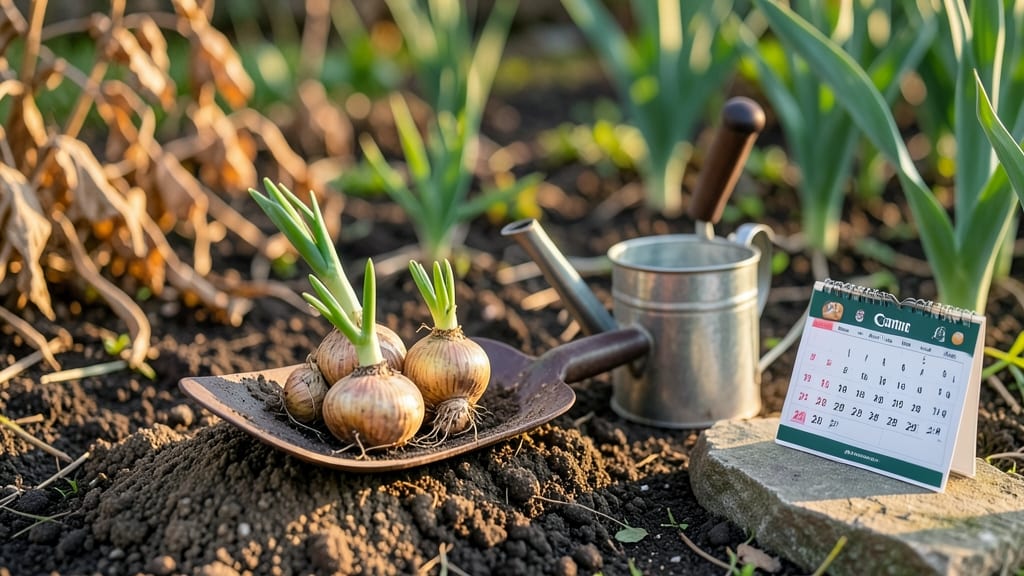
Planting gladiolus bulbs at the wrong time in Tennessee can mean the difference between showstopping summer blooms and wilted disappointment. Since your USDA zones 6a-7b bring warm springs and mild falls, timing matters more than you might think.
Most gardeners in Tennessee focus on spring planting for those dramatic 🌸 gladiolus spikes, but fall can also work—if you know the secrets. I’ll break down exactly when to plant for summer vs. fall blooms, plus how to prep your soil for Tennessee’s unique climate challenges.
Whether you’re a first-time gardener or a seasoned pro, getting this right means longer-lasting flowers and fewer headaches. Let’s dive into the perfect planting schedule so you can enjoy vibrant blooms all season long.
The key is understanding your last frost date (usually mid-April) and how it affects both spring and fall planting windows. With the right approach, you’ll have gladiolus thriving in your garden from late summer well into fall.
Best times to plant gladiolus bulbs in Tennessee: spring vs. fall calendar
Tennessee’s USDA zones 6a-7b offer two ideal windows for planting gladiolus bulbs: spring for summer blooms and fall for early-season flowers. The key is timing—plant too early and frost will damage tender corms; wait too long and your blooms may arrive late.
Let’s break down the exact planting dates and soil temperature thresholds for each region in Tennessee.
For spring planting, aim for 2-4 weeks after your last frost date. In most of Tennessee, this falls between mid-April and early May in the western and middle zones, while eastern Tennessee may wait until late April to mid-May.
The soil should be at least 60°F (15°C)—gladiolus corms won’t sprout in cold soil. Use a soil thermometer to check if you’re unsure.
If you prefer fall planting for early blooms, plant 6-8 weeks before the first frost, typically between mid-September and early October. This gives the corms time to establish roots before winter.
In Tennessee’s humid climate, fall-planted gladiolus often bloom earlier in summer, offering a head start on pests and heat stress.
Here’s how Tennessee’s three regions differ in planting timing:
| Region | Spring Planting Window | Fall Planting Window | Soil Temp Threshold | Bloom Time |
|---|---|---|---|---|
| West Tennessee (Zone 7b) | Mid-April to early May | Late September to early October | 60°F (15°C) | Late July to early September |
| Middle Tennessee (Zone 7a) | Late April to mid-May | Mid-September to late September | 60°F (15°C) | Early to mid-August |
| East Tennessee (Zone 6a) | Late April to early May | Early to mid-September | 60°F (15°C) | Mid-August to early September |
Note: Adjust dates 1-2 weeks earlier for high-altitude areas (e.g., Smoky Mountains).
For summer blooms, stick to spring planting. Gladiolus planted in spring typically flower 90-120 days after sprouting, meaning you’ll see vibrant blooms from late July through September. If you plant in fall, expect blooms to arrive 2-3 weeks earlier in summer, giving you a longer display.
Pro tip: Use mulch after planting to regulate soil temperature. In Tennessee’s heat, mulch helps retain moisture and prevents corms from overheating. Apply a 2-inch layer of straw or shredded leaves around plants, keeping it 3 inches away from the stems to avoid rot.
Watch for soil moisture after planting—gladiolus corms need consistent moisture but hate soggy soil. Water deeply once a week for the first month, then reduce to bi-weekly watering once established.
In Tennessee’s humid summers, overhead watering can spread fungal diseases, so use a drip irrigation system or water at the base.
Remember, gladiolus are tender perennials in Tennessee’s climate. While they’ll return for a second year, their corms often weaken. For the best blooms, dig up and divide them every 2-3 years in fall, storing them in a cool, dry place until next spring’s planting.
Timing your planting right ensures your gladiolus will thrive in Tennessee’s heat and humidity, rewarding you with bold, show-stopping blooms all summer long. 🌸
Best times to plant gladiolus bulbs in Tennessee: spring vs. fall calendar
Tennessee’s USDA zones 6a-7b offer two prime windows for planting gladiolus bulbs: spring and fall. Most gardeners focus on spring for summer blooms, but fall planting can extend your blooming season into early fall.
The key is timing—plant too early, and frost will damage tender shoots; too late, and your gladiolus won’t establish roots before winter.
For spring planting, aim for mid-April to early May after your last frost date (typically mid-April). This gives your bulbs time to root before the heat of summer.
In fall, plant late August to early September—early enough for roots to form before winter dormancy, but late enough to avoid frost damage.
| Season | Planting Window | Bloom Time | Soil Temp |
|---|---|---|---|
| Spring | Mid-April to early May | Late summer to early fall | 60°F+ |
| Fall | Late August to early September | Early fall (if planted early) | 55°F+ |
🌸 Best for Summer Blooms: Spring Planting
Regional differences matter in Tennessee. In the eastern mountains, cooler temps may push planting back to late April, while the western plains can handle earlier spring planting in early April. Always check your local frost dates—extension offices like the UT Extension provide updated forecasts.
For fall blooms, plant gladiolus in late summer (August-September) to give roots time to establish before winter. Avoid planting too early, or your bulbs may sprout and get damaged by the first frost. Mulch heavily after planting to protect roots from freezing temperatures.
Pro tip: If you’re unsure about timing, use a soil thermometer—gladiolus bulbs need soil temps of at least 60°F to thrive. Planting too early in cool soil can lead to rot, while waiting too long may stunt growth. Balance is key!
Remember, gladiolus bulbs are not winter-hardy in Tennessee. Even in zone 7b, they’ll need digging and storage after the first frost. Plan accordingly to avoid losing your investment.