
Plants
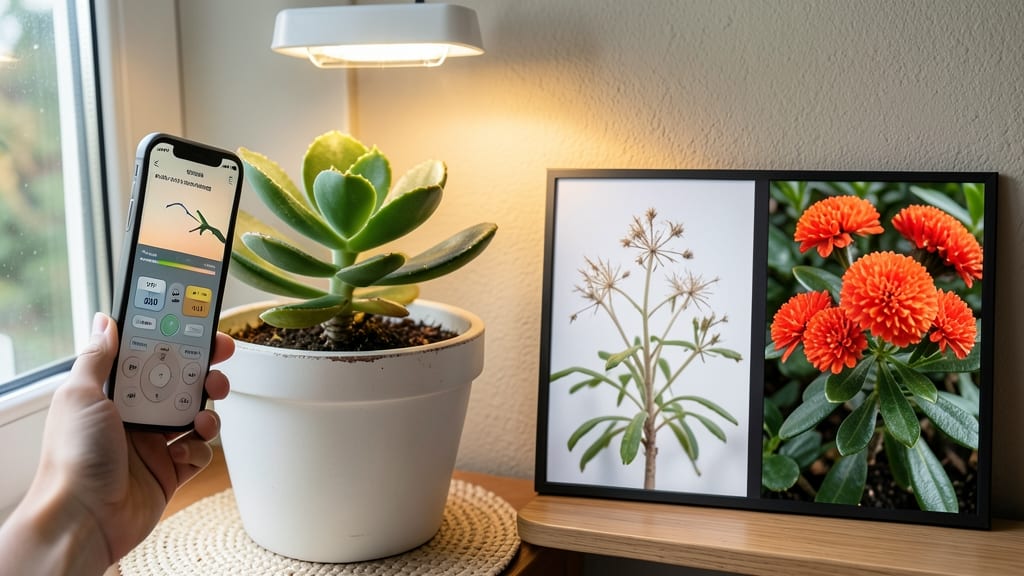
To keep your Kalanchoe 🌸 thriving, you might be surprised by how much light this plant needs—more than you’d expect for a succulent. Too little light, and your plant stretches awkwardly toward the window, while too much can scorch its delicate leaves.
The sweet spot? Bright, indirect light for 4-6 hours daily, making east- or west-facing windows ideal.
If your Kalanchoe starts looking leggy or its blooms fade, it’s likely begging for more light. But don’t assume direct sun is the answer—those same leaves can crisp under harsh afternoon rays. Instead, think of it like a sunbathing session: gentle exposure builds strength, while overexposure causes damage.
Adjusting light exposure isn’t just about placement—it’s about observing your plant’s cues. Notice yellowing leaves or stretched stems? That’s your Kalanchoe’s way of saying, “I need more light, but not too much!” With a few simple tweaks, you can help it flourish year-round, even in Zone 6a climates.
In this guide, I’ll break down exactly how to balance light for vibrant blooms, avoid common pitfalls, and keep your Kalanchoe 🌸 happy—no guesswork required. Let’s get started!

Ideal light requirements for kalanchoe: bright indirect sun vs direct exposure
If you’ve ever watched your kalanchoe plant stretch toward the window like a sunflower or develop sad, pale leaves, you’re not alone. These succulents thrive on bright indirect light, but getting the balance right can feel tricky.
Too little light, and your plant becomes leggy and weak; too much direct sun, and it risks sunburned leaves. Let’s break down exactly what your kalanchoe needs to stay happy and blooming.
The Kalanchoe blossfeldiana, the most common flowering variety, craves 4-6 hours of bright indirect light daily. Think of it like a sunbathing teen—it loves the sun but gets sunburned if exposed too long.
Meanwhile, Kalanchoe daigremontiana (the "mother of thousands") is slightly more tolerant of direct morning sun, but both varieties share the same core need: bright, filtered light.
Here’s the golden rule: East-facing windows are ideal because they provide gentle morning light without the harsh afternoon rays. A west-facing window works too, but move your plant back 3 feet if you notice leaves turning reddish or crispy.
South-facing windows? Only if your kalanchoe is protected by a sheer curtain—direct southern sun is a no-go for most varieties.
Now, let’s talk about what happens when you get it wrong. Leggy growth (long, weak stems with sparse leaves) means your plant is stretching for light. This usually happens in low-light conditions, like a north-facing window or a dim corner.
On the flip side, yellowing or brown patches on leaves signal sunburn, often from hot afternoon sun or a greenhouse that gets too intense.
| Variety | Light Needs | Signs of Underlight | Signs of Overlight | Best Window Placement |
|---|---|---|---|---|
| Kalanchoe blossfeldiana | 4-6 hrs bright indirect | Leggy stems, pale leaves | Brown patches, crispy edges | East or west, 3 ft from window |
| Kalanchoe daigremontiana | 3-5 hrs partial sun | Slow growth, weak stems | Bleached leaves, wilting | South with sheer curtain |
| Kalanchoe tubiflora | 2-4 hrs bright indirect | Stunted, no blooms | Yellowing, curled leaves | North or east, indirect |
Pro tip: If your home lacks natural light, a grow light can save the day. A full-spectrum LED bulb placed 6-12 inches above your kalanchoe for 12-14 hours daily mimics ideal conditions.
Just avoid blue-only lights, which can stress succulents. Rotate your plant quarter-turns weekly to ensure even growth—this prevents lopsided stretching toward the light source.
Seasonal changes also affect light needs. In winter, when daylight is shorter, supplement with a grow light or move your kalanchoe to the brightest spot in your home.
Conversely, in summer, watch for intense afternoon sun and adjust placement accordingly. A rotating schedule—like moving your plant outdoors for morning sun in spring—can help it adapt gradually.
Remember, kalanchoes are drought-tolerant, but they’re not desert plants. Even in bright light, they need well-draining soil to prevent root rot. Pair their light requirements with infrequent watering (every 2-3 weeks in winter), and you’ll have a blooming, bushy kalanchoe all year long.
Still unsure about your setup? Observe your plant’s leaves: Deep green and plump means you’ve nailed the light balance. Pale or stretched? It’s time to move it closer to a brighter spot.
With these tips, your kalanchoe will reward you with vibrant blooms and healthy growth for years to come. 🌸
How to adjust your kalanchoe’s light exposure for year-round blooming
Kalanchoes are sun-loving succulents, but their light needs shift with the seasons. In summer, they crave bright indirect light—think east or west-facing windows—while winter demands extra care to prevent leggy growth from weak sunlight.
The key is balancing natural light with simple adjustments to keep your plant thriving year-round.
Start by observing your kalanchoe’s growth patterns. If leaves stretch toward the light or turn pale, it’s begging for more bright exposure. Conversely, crispy edges or sunburned spots mean it’s getting too much direct sun.
A 3-foot rotation every few weeks ensures even growth and prevents lopsided plants.
For low-light spaces, supplement with a grow light (LED or fluorescent) placed 6-12 inches above the plant for 12-14 hours daily. Avoid cheap bulbs—opt for full-spectrum LEDs to mimic natural light. Place the light on a timer to automate care and maintain consistency.
🌸
- Spring: Gradually introduce morning sun (2-3 hours) to harden leaves before full exposure.
- Summer: Move to partial shade (e.g., sheer curtain) if leaves scorch; water early morning to reduce stress.
- Fall: Increase light exposure to 6 hours daily to trigger blooming; prune leggy stems to encourage bushiness.
- Winter: Rotate pots weekly for even light distribution; use a grow light if natural light drops below 4 hours/day.
Prevent leggy growth by pinching back stems when they exceed 6 inches. This encourages branching and denser foliage. Pair this with a well-draining soil mix (cactus/succulent blend) to reduce stress from poor light conditions. Overwatering in low light is a common mistake—let soil dry completely between waterings.
Pro tip: Group kalanchoes with other sun-loving plants like haworthias or echeverias to create a microclimate. Their shared light needs simplify care, and you’ll spot issues faster when plants are clustered together. Monitor for pests like mealybugs, which thrive in stressed, low-light conditions.
With these adjustments, your kalanchoe will reward you with vibrant blooms and compact growth—no matter the season. The secret? Stay proactive with light, and your plant will stay happy and healthy. 🌿