
Plants
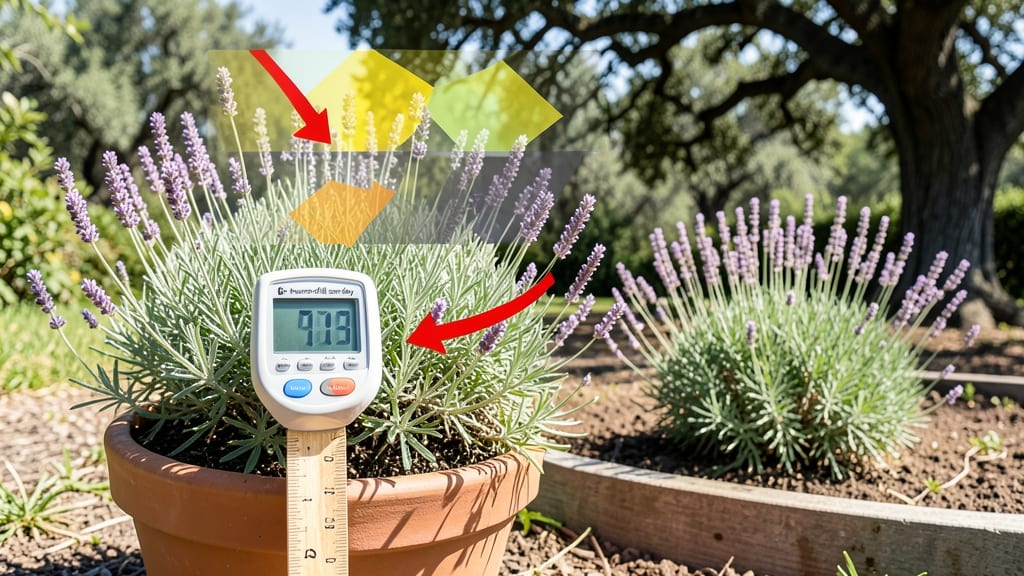
If your 🌿 lavender plant needs how much light does a lavender plant need to thrive—leggy stems, sparse blooms, or no fragrance—it’s probably starving for sun.
Lavender isn’t just a pretty herb; it’s a sun worshipper, and without 6-8 hours of direct sunlight daily, it throws a tantrum by growing weak or refusing to flower.
Most gardeners overlook this, assuming lavender can handle partial shade like other herbs. But here’s the truth: lavender in USDA Zone 6a or sunnier climates wilts without full sun, while those in cooler areas still need at least half-day exposure.
The key? Mimic its Mediterranean roots—bright, unfiltered light or you’ll watch it struggle.
I’ve seen lavender plants go from lush and fragrant to nearly dead in weeks just by moving them to shade. The fix is simple: place it in the sunniest spot possible, rotate containers for even growth, and watch it rebound. Ready to turn your lavender from lackluster to showstopping?
In this guide, I’ll break down exactly how much light lavender craves, how to spot light deprivation, and pro tips to keep it thriving—whether you’re planting in spring or troubleshooting a struggling pot. Let’s get your lavender basking in the glow it deserves.

Optimal sunlight requirements for lavender plants: the golden rule of 6-8 hours
Lavender plants are sun worshippers, and their love for light is non-negotiable. Without enough sunlight, they’ll stretch toward the sky like leggy teenagers, producing weak stems and sparse blooms.
The golden rule for lavender is 6-8 hours of direct sunlight daily, but how you achieve this depends on your climate and location.
In Mediterranean climates (like California or Spain), lavender thrives with full sun exposure from morning to late afternoon. However, in hotter zones, afternoon shade can prevent leaf scorch while still meeting the 6-hour minimum.
For USDA zones 5-8, aim for south-facing gardens or raised beds to maximize sunlight.
Partial shade—defined as less than 4 hours of direct sun—will leave your lavender stunted and sad. If you’re in a shady microclimate, consider container gardening and moving pots to sunnier spots as the seasons change.
Even 3-4 hours of sun may work for dwarf varieties, but expect fewer flowers and slower growth.
| Sunlight Requirement | Ideal Exposure | Consequences of Shortfall |
|---|---|---|
| Full Sun | 6-8+ hours daily | Vibrant blooms, strong fragrance |
| Partial Shade | 3-4 hours (max) | Leggy growth, few flowers |
| Deep Shade | <2 hours | Yellowing leaves, no blooms |
Seasonal adjustments are key. In spring and fall, lavender can handle morning sun and afternoon shade, but summer demands uninterrupted sunlight. If your garden lacks space, reflective surfaces (like white walls or gravel) can bounce extra light onto your plants.
For container lavender, rotate pots weekly to ensure even growth.
Watch for tell-tale signs of light deprivation: pale, elongated stems or leaves stretching toward light are red flags. Even one week of insufficient sun can delay flowering. To compensate, prune leggy growth to encourage bushier, sun-seeking branches.
In urban gardens with limited sun, south-facing windowsills or balconies work for dwarf varieties. Use light-colored containers to reflect warmth, and avoid plastic pots that trap heat. For indoor lavender, supplement with grow lights (12-14 hours daily) to mimic outdoor conditions.
Regional variations matter too. In cooler climates (like the Pacific Northwest), lavender may tolerate partial shade in winter but still needs full sun in summer. Conversely, desert regions require afternoon shade to prevent heat stress while maintaining 6+ hours of morning sun.
Pro tip: Use a sunlight tracker for a week to map your garden’s light patterns. Mark shady spots and relocate lavender to sunnier areas before planting. If moving isn’t an option, prune aggressively in spring to redirect energy toward flower production rather than stretching.
Remember, lavender’s fragrance and color are directly tied to sunlight. Skimp on light, and you’ll get weak, flavorless stems—hardly worth the effort. But nail the 6-8 hours of sun, and you’ll reward yourself with lush, purple clouds of blooms that perfume your garden all summer long.
How to adjust light exposure for potted vs. in-ground lavender: pro tips for every gardener
Lavender thrives in full sun, but container-grown and in-ground plants face different challenges. Potted lavender needs extra attention to light, while in-ground lavender can leverage natural microclimates. Let’s break down how to maximize sunlight for both—so your lavender stays lush and fragrant all season.
For potted lavender, placement is everything. A south-facing window or balcony gets the most sun, but if you’re in a shaded area, rotate pots weekly to prevent uneven growth. Even reflective surfaces like white walls or mirrors can bounce extra light onto your plants, boosting their energy.
In-ground lavender benefits from microclimates—small areas with slightly different light conditions. Plant near southeast-facing walls or fences, which capture morning sun and retain warmth. Avoid low spots where cold air pools, as lavender hates soggy roots and chilly temperatures.
🌿 Numbered Highlights: Common Light Mistakes to Avoid
- Overcrowding pots: Too many plants in one container block sunlight for inner stems. Space lavender 12-18 inches apart in containers.
- Using dark containers: Black pots absorb heat, stressing roots. Opt for terracotta or light-colored pots to reflect sunlight.
- Ignoring seasonal sun shifts: Summer sun arcs higher; winter sun sits lower. Adjust placement in spring and fall for consistent light.
- Skipping soil prep: Compacted or clay-heavy soil traps moisture, suffocating roots in shade. Amend with gravel or perlite for drainage.
- Planting too deep: Burying the stem base encourages rot. Keep the crown exposed to prevent moisture buildup.
If your in-ground lavender isn’t getting enough sun, try companion planting. Pair it with low-growing perennials like thyme or sedum, which won’t steal light. Avoid tall plants like sunflowers that cast long shadows.
For containers, elevate pots on plant stands or raised beds to catch more sunlight, especially in early morning or late afternoon.
Even with perfect light, lavender can struggle if the soil mix is wrong. Use a blend of sandy loam and compost—never heavy garden soil. This ensures roots stay dry and airy, mimicking its Mediterranean habitat.
Mulch with gravel or pebbles to keep moisture at bay while allowing light to reach the base.
Pro tip: Monitor your lavender’s leaves. If they’re pale or stretching toward light, it’s time to relocate. A south-facing spot with 6+ hours of sun is non-negotiable—compromise, and you’ll sacrifice blooms. With the right adjustments, your lavender will reward you with vibrant purple spikes and intoxicating fragrance all season.