
Plants
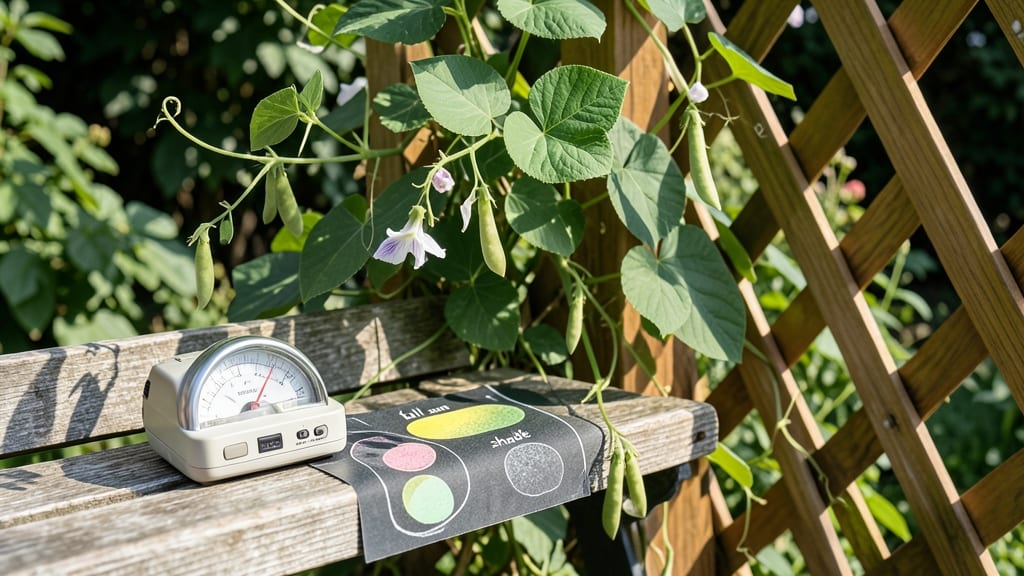
If your Peace Lily 🌿 keeps dropping leaves or wilting despite your best care, you’re probably getting how much light does a peace plant need wrong—and it’s easier to fix than you think.
This elegant houseplant thrives in conditions most people overlook, where too much sun can scorch its leaves just as easily as too little light stunts its growth.
Understanding how much light a Peace Lily needs is the game-changer for keeping it lush and blooming. Unlike sun-loving plants, this beauty prefers bright, indirect light—think of it as a plant that loves a cozy spot near a window but not in direct glare.
I’ll show you exactly where to place it (and where to avoid) so you can stop guessing and start growing.
From bathrooms with soft natural light to living rooms with filtered sunlight, I’ll break down the ideal spots in your home. You’ll also learn the telltale signs of over- or under-lighting—like yellowing leaves or slow growth—and how to adjust with simple tweaks. Let’s get your Peace Lily thriving again!
Whether you’re a new plant parent or a seasoned grower, these insights will save you from trial and error. By the end, you’ll know exactly how to create the perfect lighting conditions for your plant’s health and beauty—without any complicated setups.

Peace lily light requirements: the perfect balance for healthy growth
Your peace lily (Spathiphyllum) thrives in low to bright indirect light, making it perfect for homes with limited natural sunlight. Unlike sun-loving plants, peace lilies hate direct afternoon sun, which can scorch their delicate leaves.
The key is finding that sweet spot between shade and light—too little light leads to sparse growth, while too much causes leaf burn.
In nature, peace lilies grow under the dappled canopy of rainforests, where sunlight filters through leaves. Recreating this environment indoors means placing your plant near a north-facing window or a few feet away from an east or west-facing window.
South-facing windows can work, but only if your peace lily is at least 6 feet away to avoid harsh rays.
Here’s the golden rule: Your peace lily should receive 4-6 hours of indirect light daily. This means positioning it where it gets soft, diffused sunlight—think of it like standing under a sheer curtain on a sunny day.
Artificial grow lights can also help if your home lacks natural light, but we’ll cover that later.
| Light Condition | Ideal Placement | Signs of Correct Light |
|---|---|---|
| Low Light | 10+ feet from windows or north-facing rooms | Slow growth, dark green leaves, few blooms |
| Medium Indirect Light | 3-6 feet from east/west windows or 6+ feet from south windows | Healthy green leaves, occasional blooms, steady growth |
| Bright Indirect Light | 1-3 feet from north windows or filtered east/west light | Vibrant leaves, frequent blooms, rapid growth |
| Direct Sunlight | South windows without shade or outdoor exposure | Brown leaf tips, crispy edges, yellowing |
🌱 Pro Tip: Rotate your peace lily quarterly to ensure even light exposure on all sides.
If your peace lily isn’t blooming, light is often the culprit. These plants need a consistent light source to trigger flowering, which typically happens in spring and summer.
Move it to a slightly brighter spot if you notice no flower spikes—just avoid sudden changes, as peace lilies hate abrupt shifts in their environment.
Another common mistake is placing peace lilies in dim corners where they barely get any light. While they can survive in low-light conditions, their growth will be stunted, and leaves may become pale or leggy.
Think of it like a slow-motion plant: it won’t die, but it won’t thrive either. For best results, aim for at least 4 hours of indirect light daily.
For urban apartments or offices with minimal natural light, LED grow lights are a game-changer. A 12-15 watt bulb placed 6-12 inches above your peace lily for 10-12 hours daily mimics natural light perfectly. Just avoid cool-white LEDs, which can be too harsh—opt for full-spectrum or warm white instead.
Seasonal changes also affect your peace lily’s light needs. In winter, when days are shorter, supplement with artificial light if you notice leggy growth or fewer blooms. Conversely, in summer, watch for afternoon sun creeping in through windows—use sheer curtains to diffuse it.
One final trick: If your peace lily is near a west-facing window, move it a few feet back by late afternoon to avoid the intense afternoon sun.
West windows are deceptive—they can provide great morning light but turn into leaf-scorching ovens by 3 PM. A simple 1-2 foot adjustment can make all the difference.
Remember, your peace lily’s light needs are like Goldilocks’ porridge: not too much, not too little, but just right. With the perfect balance, you’ll be rewarded with glossy leaves and stunning white blooms that last for weeks. 🌿
How to tell if your peace lily has the right light (or needs adjustment)
Your peace lily communicates its light needs through subtle (and not-so-subtle) visual cues. Yellowing leaves or brown tips often signal too much direct sun, while stretched, pale growth means it’s craving more brightness. Learning these light stress signs helps you adjust before damage sets in.
Start by checking your plant’s leaf color. Healthy peace lily foliage stays deep green with glossy texture. If you notice yellow patches on older leaves, harsh afternoon sun is likely the culprit. Move your plant 3-4 feet away from the window or use a sheer curtain to diffuse light.
Another red flag? Brown leaf edges or crispy tips. This often happens when low humidity combines with bright indirect light—common near heaters or air conditioners. Increase humidity with a pebble tray or grouping plants together to create a microclimate.
Never place your peace lily in south-facing windows or under grow lights without a shield. Even 1-2 hours of direct sun can scorch leaves, causing irreversible damage. If your plant shows bleached or white patches, it’s already suffered sunburn.
On the flip side, if your peace lily’s leaves stretch upward or grow spindly and weak, it’s begging for more light. This etiolation (a fancy term for light deprivation) makes stems thin and leaves sparse.
Rotate your plant quarter-turns weekly to ensure even growth, then move it closer to a bright, indirect light source.
For bloom production, peace lilies need slightly more light than they tolerate for foliage. If your plant stops flowering, try placing it 1-2 feet from an east-facing window during spring and summer.
Just avoid west or south windows—those afternoon rays will fry your leaves faster than you can say "sunburn."
Pro tip: Use your hand as a light meter. Hold your palm near the plant’s leaves. If you can’t feel warmth, the light is too dim. If your hand feels hot after 10 minutes, the light is too intense.
Adjust until your hand stays comfortably cool—this is your peace lily’s ideal light sweet spot.