
How To
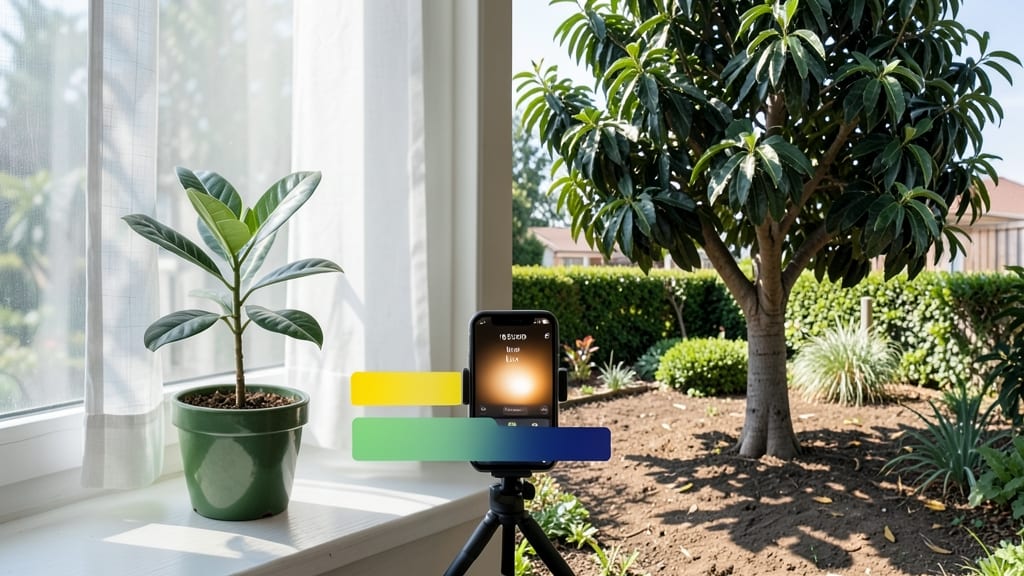
If you're wondering how much light does an avocado plant need, your 🥑 might be growing slower than a sloth on a lazy Sunday—because it’s probably not getting the right kind.
Avocados crave bright indirect sunlight—think of it as their version of a perfect beach day, but without the sand between their toes.
Too little light and you’ll end up with leggy, weak stems and pale leaves, while too much direct sun can fry the poor thing faster than a forgotten burrito in the oven.
The key? Finding that sweet spot where your avocado thrives, whether it’s basking near a south-facing window or soaking up outdoor rays in USDA Zone 6a.
I’ll break down exactly how many hours of light your avocado needs, how to spot when it’s getting too much (or too little), and even some clever workarounds for indoor growers. Let’s get that plant glowing—literally!
From adjusting grow lights to recognizing those sneaky signs of stress, you’ll learn how to keep your avocado happy year-round. Ready to turn those sad, sparse leaves into a lush, leafy masterpiece?

Optimal sunlight requirements for avocado plant growth and fruit production
Avocado plants (Persea americana) are sun-loving tropical trees that need bright indirect light to thrive. In their native habitats, they bask under 6-8 hours of direct sunlight daily, but indoor conditions require careful adjustments.
As a gardener, I’ve learned that 6+ hours of filtered light is the sweet spot for healthy foliage and fruit production.
For seedlings and young plants, start with 4-6 hours of bright light to avoid leaf scorch. Gradually increase exposure as they mature. Mature trees, however, crave full sun (6+ hours) to develop strong branches and produce fruit.
Without enough light, your avocado plant may grow leggy and weak, with sparse leaves and no flowers.
Here’s the key: Direct midday sun can burn leaves, especially for indoor plants. Instead, aim for morning sun + afternoon shade if outdoors. If growing indoors, a south-facing window provides the best natural light spectrum. Without this, you’ll need to supplement with grow lights to mimic sunlight.
Avocados are C3 plants, meaning they rely on photosynthesis efficiency under bright light. Studies show that photosynthesis peaks at 60-70% sunlight intensity, which translates to 4,000-6,000 lux of light. Measure this with a light meter or observe leaf color—deep green leaves indicate optimal light.
The growth stage of your avocado plant dictates its light needs. Seedlings need gentle light to avoid stress, while mature trees can handle more direct sun.
For example, a 1-year-old avocado in a pot thrives near an east-facing window, while a 5-year-old tree outdoors should get 6+ hours of full sun for fruit production.
If you’re growing avocados in USDA Zones 8-11, outdoor planting is ideal with afternoon shade in hot climates. In colder zones (6a-7b), container growing near a south-facing wall extends the growing season. Always rotate pots quarter-turns weekly to ensure even light exposure.
| Growth Stage | Light Requirements | Daily Hours Needed | Best Light Source |
|---|---|---|---|
| Seedling (0-1 year) | Bright indirect light | 4-6 hours | East/west window or grow light |
| Juvenile (1-3 years) | Partial sun to full sun | 6-8 hours | South window or outdoor patio |
| Mature (3+ years) | Full sun with afternoon shade | 8+ hours | Outdoor garden or large south window |
| Fruiting Stage | Full sun with protection | 6+ hours | Outdoor with dappled shade |
Seasonal adjustments are critical. In winter months, when daylight shortens, supplement with 12-14 hours of grow light to maintain growth. I use a full-spectrum LED grow light on a timer for my indoor avocado, which mimics the 12-hour photoperiod it would get outdoors in tropical climates.
For outdoor avocados, prune lower branches to allow light penetration to the canopy. This encourages fruit production on the upper branches. In containers, ensure the pot is large enough (15+ gallons for mature trees) to avoid root-bound stress, which reduces light absorption efficiency.
Remember, light quality matters as much as quantity. Avocados thrive under natural sunlight because it provides the full spectrum of light needed for photosynthesis. Grow lights should replicate this with a red-blue spectrum ratio of 3:1 for optimal growth.
Without this balance, your plant may grow tall and spindly with poor leaf development.
Signs your avocado plant isn’t getting enough (or too much) light
Avocado plants send clear visual cues when their light needs aren’t met. Leggy stems and yellowing leaves are classic signs of light deficiency, while crispy edges and brown patches indicate too much direct sun. Learning to read these signals helps you adjust lighting before permanent damage occurs.
Start by examining your plant’s leaf color. Pale or yellow leaves mean it’s craving more light, while dark green with purple undersides suggests it’s thriving. Slow growth or small, sparse leaves also point to insufficient light exposure.
For overlighted avocado plants, watch for scorched leaf edges or bleached patches on leaves. These appear when intense afternoon sun exceeds what your plant can handle. Wilting or drooping during peak sunlight hours is another red flag.
✅ Signs of UNDERLIGHTING
- ✔️ Leggy, stretched stems reaching for light
- ✔️ Yellowing lower leaves (chlorosis)
- ✔️ Slow or stunted growth
- ✔️ Small, sparse leaves
- ✔️ Weak, floppy stems
❌ Signs of OVERLIGHTING
- ✖️ Brown, crispy leaf edges (scorch)
- ✖️ Bleached or white patches on leaves
- ✖️ Wilting during peak sun
- ✖️ Premature leaf drop
- ✖️ Stunted new growth
If your plant shows underlighting symptoms, move it to a sunnier spot or supplement with a grow light. For overlighted plants, provide afternoon shade or filter light through a sheer curtain. Rotate the pot weekly to ensure even light exposure on all sides.
Remember, avocado plants adapt slowly to light changes. Gradual adjustments prevent shock, so move your plant incrementally over 1-2 weeks rather than all at once. This helps the plant acclimate without stress.
For indoor plants, a south-facing window offers the best natural light. If your windows are limited, consider a reflective surface like a white wall or mirror to bounce extra light onto your plant. Outdoor plants should receive morning sun with afternoon shade during hot summer months.
Pay attention to how your avocado responds to light changes—its leaves will tell you everything you need to know! With the right balance, you’ll see healthier foliage and even fruit production over time. 🌱