
How To
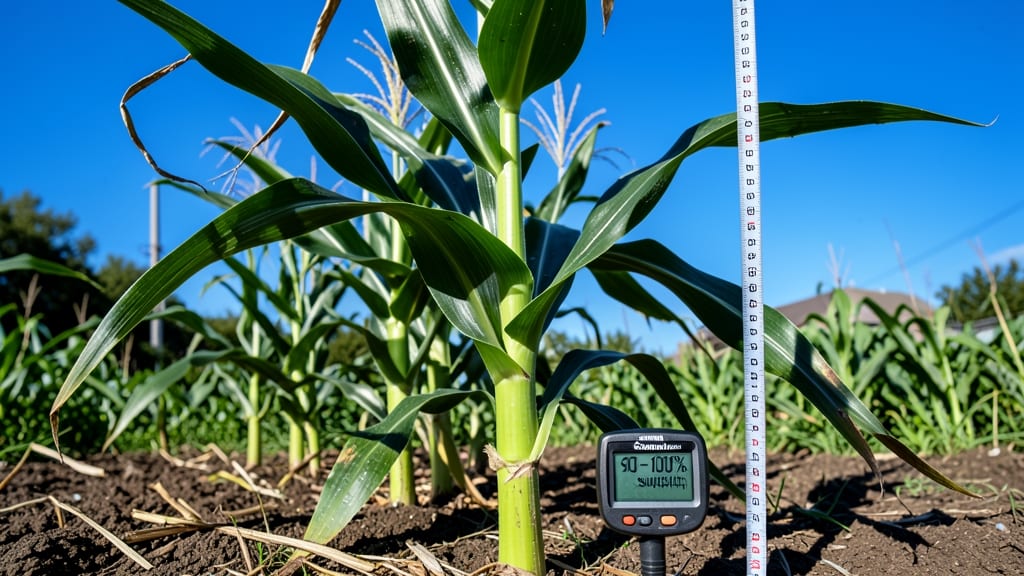
If you’re wondering how much light does a corn plant need, the answer is critical—this sun-loving crop thrives under 6-8 hours of direct light daily, and anything less can leave it struggling.
Corn plants are sun worshippers, demanding full sun exposure to develop strong stalks and sweet kernels. Without enough light, you’ll notice weak growth, pale leaves, or even stunted ears—signs your garden spot might need a shift.
Even in USDA Zone 6a, where spring planting runs from April to May, positioning matters.
Whether you’re growing corn in a backyard garden or a container setup, placement is key. South-facing spots get the most consistent light, but even east or west exposures can work if you rotate plants weekly. Let’s break down exactly how to meet your corn’s light needs for a bountiful harvest.
Don’t worry if your space isn’t perfectly sunny—we’ll also cover workarounds like supplemental grow lights and shade-tolerant varieties that can still deliver great results. Your corn’s future depends on getting this right, and the good news? It’s easier than you think.

Ideal light requirements for corn plants: bright indirect sunlight explained
Corn plants, especially varieties like sweet corn or field corn, thrive under full sun exposure. This means they need at least 6-8 hours of direct sunlight daily to grow strong stalks and produce plump ears.
Without enough light, your corn might struggle to reach its full 6-10 foot height or develop properly.
For outdoor gardens, place corn in the sunniest spot available, ideally facing south in the Northern Hemisphere. This ensures maximum sunlight from morning to early afternoon. If your garden has partial shade, prioritize areas where sunlight hits for the longest duration each day.
Indoor corn plants, like dwarf varieties, need similar light conditions but may require supplemental grow lights. A south-facing window is ideal, but east or west-facing windows can work if the plant gets at least 6 hours of bright indirect light.
Avoid north-facing windows, as they typically provide too little light for corn's needs.
| Requirement | Specification |
|---|---|
| Daily Sunlight | 6-8 hours of direct sunlight |
| Best Window Placement | South-facing window (indoor) |
| Outdoor Positioning | Full sun, no shade afternoons |
| Supplemental Light | Grow lights for indoor setups |
| Seasonal Adjustment | Extend light in shorter days (spring/fall) |
Corn plants are sensitive to light intensity, so avoid placing them near reflective surfaces like glass or metal that can create hot spots. If you notice yellowing leaves or stunted growth, your plant may need more light.
Conversely, brown leaf tips or wilting can signal too much direct sun, especially during peak summer hours.
For container-grown corn, rotate pots quarter-turns weekly to ensure even light exposure. This prevents one side from leaning toward the light source. If growing in partial shade, choose shade-tolerant varieties like 'Silver Queen' or 'Country Gentleman,' though they may yield smaller ears.
In cooler months, corn plants may need 12-14 hours of light daily to compensate for shorter daylight. Use a timer-controlled grow light to supplement natural light and maintain healthy growth. This is especially important for indoor corn plants or those in USDA Zone 6a where winters are cold.
Monitor your corn plant’s growth rate and leaf color to gauge light success. Healthy corn should have deep green leaves and strong stalks. If leaves appear pale or stretched, it’s a sign of light deficiency. Adjust placement or lighting immediately to prevent long-term damage.
When planting outdoors, time it so corn gets full sun exposure from early spring through summer. Avoid planting in areas where trees or buildings will cast afternoon shade, as this can reduce ear development.
For best results, plant corn after the last frost date (typically April 15 in Zone 6a).
If you’re growing corn in a greenhouse, ensure it receives direct sunlight for at least 6 hours, even if supplemented with artificial light. Greenhouses can trap heat, so provide ventilation to prevent leaf scorch from excessive light intensity.
For urban gardeners with limited space, consider dwarf corn varieties like 'Peaches and Cream' or 'Golden Bantam.' These tolerate slightly less light but still need at least 5-6 hours of sun daily. Pair them with reflective surfaces or grow lights to maximize light exposure.
Ideal light requirements for corn plants: bright indirect sunlight explained
Corn plants are sun worshippers—they crave 6 to 8 hours of direct sunlight daily to produce those sweet, plump ears we all love. Without enough light, your corn will grow tall and leggy, with sparse foliage and poor ear development.
Think of sunlight as their energy drink—too little stunts growth, while too much can scorch delicate leaves, especially in hot climates.
For outdoor gardens, plant corn in a south-facing location where it gets unfiltered morning to afternoon sun. If your yard has afternoon shade, choose semi-dwarf varieties like 'Silver Queen' or 'Sweet Baby', which tolerate slightly less light.
In containers, position them near south or west-facing windows where they can soak up bright indirect light for most of the day.
🌽 Seasonal adjustments matter! In summer, corn can handle up to 10 hours of sun, but in cooler months, 4-6 hours of direct light may suffice.
If you're growing corn indoors, supplement with grow lights to mimic natural sunlight cycles—12-14 hours of light per day keeps them thriving year-round.
| Requirement | Specification |
|---|---|
| Daily Sunlight | 6-8 hours (outdoor), 12-14 hours (indoor with grow lights) |
| Best Window Placement | South or west-facing (bright indirect light) |
| Outdoor Location | Full sun (no afternoon shade for best ears) |
| Summer Adjustment | Up to 10 hours (provide shade cloth if needed) |
| Winter/Indoor Light | 4-6 hours (supplement with grow lights) |
Watch for signs of stress—if your corn plants lean toward the light or develop pale, yellowing leaves, they're begging for more sun. Conversely, crispy brown edges mean it's getting too intense, especially in hot afternoons. In such cases, provide light shade cloth (30-50% coverage) to protect leaves while still allowing plenty of light to reach the stalks.
For container growers, rotate pots weekly to ensure even light exposure on all sides. Corn plants grow tall and top-heavy, so sturdy stakes or cages help prevent them from toppling over in breezy spots.
If you're planting in rows, space them 12-18 inches apart to avoid shading weaker plants in the middle.
Pro tip: Observe your corn’s growth habits—healthy plants will have deep green leaves, sturdy stalks, and tassels that emerge before ear formation. If your corn is struggling, it’s often a light deficiency rather than a soil issue. Adjust placement or lighting immediately to save your harvest! 🌱