
Companion Plants
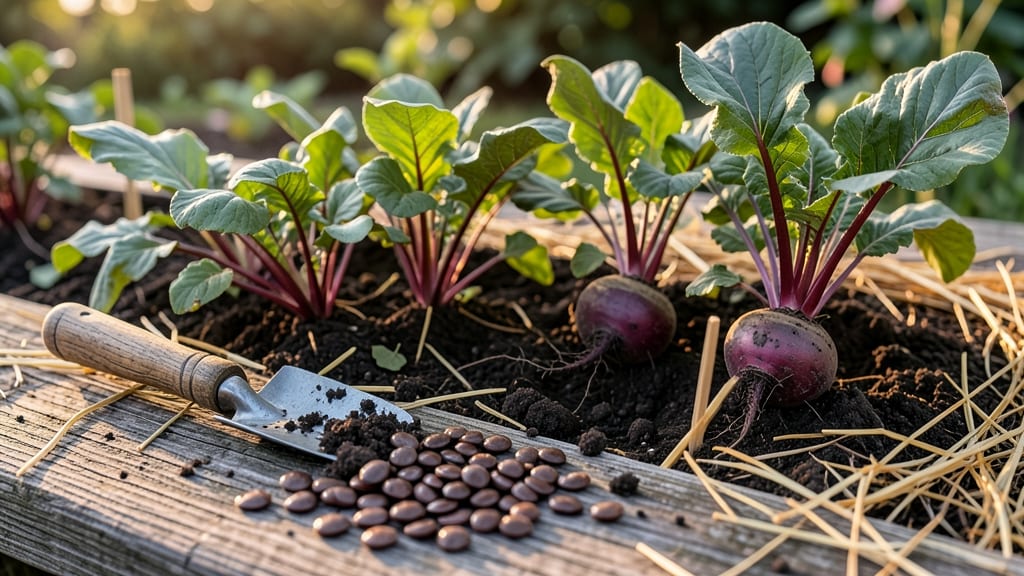
Planting beets in Zone 6 at the wrong time can mean the difference between a bountiful harvest of sweet, tender roots and a sad pile of woody scraps. The key window opens earlier than you might think—sooner than mid-April, when soil temperatures finally cooperate.
If you’ve ever wondered why your 🍠 beets turn bitter or bolt too fast, timing is the culprit. Zone 6’s unpredictable springs demand precision: seeds need soil at 50°F or warmer to germinate reliably. Miss that mark, and you’re stuck waiting for a second chance in late summer.
Here’s the game-changer: you can actually plant beets twice a year in Zone 6—once in early spring (March–April) and again in late summer (July–August). This strategy stretches your harvest from June through November, giving you fresh beets for salads, roasting, or pickling all season long.
Ready to avoid the common mistakes? I’ll walk you through the exact dates, soil prep tricks, and even how to protect seedlings if Mother Nature throws a curveball. Let’s get those beets growing the right way.
Zone 6 beet planting dates: exact frost-free window by month
In Zone 6, your beet planting success hinges on timing—aim for soil temperatures above 40°F and frost-free conditions. The ideal window spans early spring (March-April) and late summer (July-August), with flexibility for succession planting. Missing these windows risks frost damage or bolting before harvest.
Beets are cold-hardy but struggle with extreme cold or hot summer heat. Zone 6’s 165 frost-free days frame your planting strategy: start early for spring harvests or late for fall storage. Let’s break down the exact dates and soil conditions to nail your timing.
🌱 Key Takeaway: Plant when soil reaches 40°F+ and last frost is 2-3 weeks past. For Zone 6, that’s typically mid-April for spring and late July for fall.
| Planting Window | Soil Temp | Last Frost | Harvest Window | Notes |
|---|---|---|---|---|
| Early Spring (March 15 - April 15) | 40°F+ | Mid-April | June - July | Use row covers if frost threatens |
| Late Summer (July 15 - August 15) | 50°F+ | Mid-October | October - November | Choose fast-maturing varieties |
| Succession Planting (Every 3 Weeks) | 40°F+ | N/A | Extended harvest | Stagger seeds for continuous yield |
For spring planting, begin seeds indoors 4-6 weeks before last frost (early March) to transplant after soil warms. In Zone 6a (colder), wait until April 1 for direct sowing, while Zone 6b (warmer) can start as early as March 15.
Always test soil temperature with a probe—below 40°F delays germination.
Fall planting in Zone 6 requires fast-maturing varieties (50 days to harvest) to avoid first frost (mid-October). Start seeds July 15-August 15 for roots to mature before cold sets in. Use black plastic mulch to extend the season by 2-3 weeks and protect tender greens.
Pro tip: Plant beet greens separately—they mature faster than roots and can be harvested 30-40 days after sowing. This gives you a dual harvest from one planting!
If you’re in a northern Zone 6 area (e.g., Chicago), err on the side of later planting (after April 15) to avoid late spring frosts. Southern Zone 6 (e.g., Atlanta) can plant 2 weeks earlier thanks to milder microclimates.
Always monitor your local frost forecast—even a light freeze can damage young seedlings. Use frost cloth or straw mulch for extra protection during unpredictable spring weather.
For succession planting, sow new seeds every 3 weeks from March through July. This ensures a continuous harvest and prevents bolting (flowering) from heat stress. Store extra beets in sandy soil or a cool cellar for winter use.
How to adjust beet planting for Zone 6’s unpredictable spring weather
Zone 6’s spring weather can be a gardener’s nightmare—one day warm and sunny, the next a surprise frost. Beets are hardy but still need protection during late frosts that can linger into mid-April. The key to success? Flexible timing and smart preparation.
If you plant too early, your seedlings may bolt or rot from cold, wet soil. But if you wait too long, you’ll miss the early harvest window for the sweetest roots. My solution? Use row covers and monitor soil temperatures closely—beets germinate best when soil reaches 50°F (10°C).
Here’s how I adjust my planting schedule when spring weather fluctuates. First, I check the 10-day forecast for stable warmth. If nights stay below 40°F (4°C), I delay planting or use black plastic mulch to warm the soil faster.
For extra protection, I lay down lightweight row covers after sowing.
Another trick? Stagger your plantings every 2 weeks from late March through April. This ensures a continuous harvest and reduces the risk of losing your entire crop to a single frost event. Even if some seedlings get nipped, the later plantings will still thrive.
🌱 Pro Tip: Plant beets in raised beds if your garden soil stays cold or soggy. Raised beds warm up 2-3 weeks faster than in-ground plots, giving you an earlier start.
⚠️ Watch for False Springs
A false spring—when warm weather tricks you into planting early—can be deadly for beets. If temperatures drop below 30°F (-1°C) after germination, seedlings will freeze solid. Always have row covers or a cold frame ready to protect new growth.
Signs it’s too risky: Frost warnings in the forecast, soil temps below 50°F (10°C), or nighttime lows under 40°F (4°C).
For fall planting, aim for late July to early August in Zone 6. This gives beets 8-10 weeks to mature before the first frost in mid-October. Use shade cloth in late summer to protect seedlings from intense heat, which can cause bolting.
Finally, always harden off seedlings before transplanting. Move them outdoors for 2-3 hours daily starting 1 week before their permanent spot. This builds resilience against sudden temperature swings—just like I do with my tomato starts every spring! ☀️