
Companion Plants
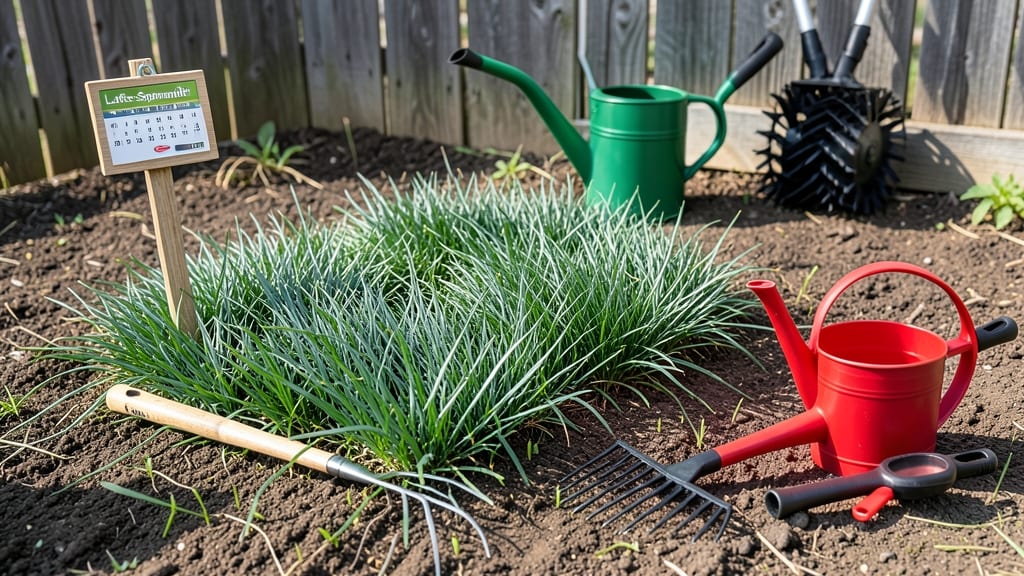
Planting grass seed at the wrong time in Michigan can mean weak roots, patchy lawns, and wasted money—but timing it right guarantees a lush, resilient lawn that survives the state's harsh winters.
With Michigan's USDA zones 5b-6b and unpredictable weather, knowing when to plant is the key to success. Whether you're in southern counties like Wayne or northern regions like Marquette, the ideal window is early spring or early fall when soil temperatures are just right.
I've seen firsthand how planting too early or late can leave your lawn vulnerable to weeds and frost. Let me show you exactly when to plant in every Michigan county for optimal root growth and a lawn that thrives year-round.
From preparing your soil to choosing the right seed varieties, we'll cover everything you need to know. Don't wait until it's too late—your perfect lawn starts with the right timing.
Michigan grass seed planting dates by region: southern vs northern counties
Michigan’s diverse climate—from the Great Lakes shorelines to the Upper Peninsula’s cold winters—means planting dates vary dramatically. In southern Michigan, you can start as early as late February in protected areas, while northern counties like Marquette often wait until mid-May to avoid frost damage.
The key is aligning with soil temperatures and last frost dates, which can differ by 3-4 weeks between regions.
For spring planting, aim for when daytime highs consistently reach 50°F (10°C) and nighttime lows stay above 40°F (4°C).
This usually falls between mid-April and early June, depending on your county. Fall planting, the preferred method for most Michiganders, should occur 4-6 weeks before the first expected frost—typically late August to mid-October.
Here’s how Michigan’s regions break down for optimal grass seed planting:
The Thumb region and Great Lakes shorelines (like Muskegon) often enjoy earlier planting due to lake-effect warming, while inland areas like Midland or Jackson may need to wait longer. Always check your local USDA Plant Hardiness Zone (Michigan spans 5b-6b) and Almanac frost dates for precision.
Pro tip: Use a soil thermometer to verify temperatures before planting. Cool-season grasses (like Tall Fescue or Kentucky Bluegrass) thrive when soil is 50-60°F (10-15°C), while warm-season varieties (rare in Michigan) need 65°F (18°C)+.
Most Michigan lawns use cool-season blends, so timing is critical for root establishment before winter.
If you’re in Zone 5b (northern counties), avoid planting after August 15—this gives roots only 6-8 weeks to harden before frost. In Zone 6b (southern areas), you can push fall planting to mid-October, but aim for September to maximize growth before cold sets in.
Watch for unpredictable late frosts, especially near lakes and rivers, where temperatures can drop faster. Microclimates in cities like Detroit or Grand Rapids may stay warmer, but rural areas can be 5-10°F colder.
Use a frost-free date calculator (like the National Weather Service’s) for your exact location.
For overseeding existing lawns, follow the same rules but reduce seed rates by 25-30% to avoid competition. New lawns need full-rate seeding and consistent moisture for the first 30 days—critical for germination success in Michigan’s variable weather.
Remember: Spring planting risks weed competition, while fall planting gives grass a head start before winter. Most Michigan gardeners swear by fall for its higher success rates and lower maintenance.
How to prepare your Michigan lawn for grass seed planting: soil, weather, and seed selection
Preparing your Michigan lawn for grass seed is just as important as choosing the right planting time. The clay-heavy soil in many regions and unpredictable weather can make or break your lawn's success. I’ve learned that skipping prep work often leads to poor germination and weed competition.
Start by testing your soil pH—most Michigan lawns thrive with a pH between 6.0 and 7.0. If your soil is too acidic, add lime 4-6 weeks before planting. For alkaline soil, use sulfur to lower the pH gradually.
Next, clear the area of weeds and debris. Michigan’s early spring and fall can bring up dormant weeds, so use a pre-emergent herbicide if needed. For organic options, hand-pull weeds or smother them with cardboard before planting.
🌱 Key Takeaway: Michigan Soil Prep Checklist
- Test soil pH (aim for 6.0-7.0)
- Loosen compacted soil with a rake or tiller
- Remove weeds/debris thoroughly
- Add compost for nutrients (1-2 inches)
- Level the area to prevent water pooling
Pro Tip: Michigan’s clay soil benefits from gypsum to improve drainage before planting.
Don’t overlook soil aeration, especially in high-traffic areas. Use a core aerator to create small holes for seeds to settle into the soil. This is crucial for Michigan’s dense clay, which can suffocate young grass roots.
Choose your grass seed variety based on your region. Cool-season grasses like Kentucky Bluegrass and Tall Fescue thrive in Michigan’s climate, while warm-season grasses like Bermuda struggle in northern counties. Mixing seed types can create a thicker, more resilient lawn.
Finally, water lightly after planting to keep the soil consistently moist but not soggy. Michigan’s spring rains can make this tricky—use a rain gauge to track moisture levels. Avoid walking on newly seeded areas for at least 2-3 weeks to prevent seed displacement.
With the right prep, your Michigan lawn will establish strong roots and outcompete weeds naturally. The effort upfront pays off with a greener, healthier lawn all season long. 🌱