
Companion Plants
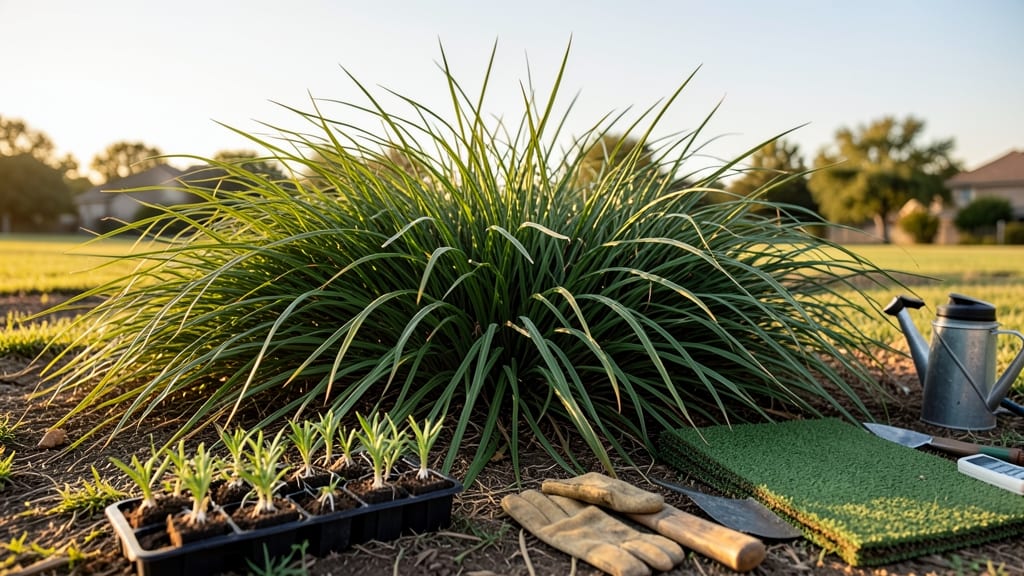
Planting St. Augustine grass at the wrong time in Texas can turn your dream lawn into a sun-scorched wasteland—especially when summer heat hits before those roots get a chance to dig in.
The best time to plant isn’t just about avoiding frost; it’s about giving your grass the 3-4 month head start it needs to establish deep roots before the real heat arrives.
Most Texas gardeners assume spring is the only window, but early fall actually gives you an edge. Think about it: August through September means cooler soil, steady rainfall, and no brutal 100°F+ days stressing out your new sod.
That’s why 8a-10a zone growers swear by this timing—it’s the secret to a lush, heat-resistant lawn by next summer.
I’ve seen firsthand how planting in May or June leads to weak roots and brown patches by July. The key isn’t just the calendar—it’s soil temperature.
When those top inches hit 65°F+, your grass takes off. But wait too long, and you’re fighting the Texas heat instead of letting your 🌱 thrive.
Ready to skip the guesswork? I’ll break down the exact months that work for North, Central, and South Texas—plus the 3 critical prep steps most homeowners miss. Let’s get your lawn off to the right start.
Best months to plant St. augustine grass in Texas for maximum root growth
St. Augustine grass thrives in Texas when planted during two ideal windows: late spring (March–May) and early fall (August–September). These periods align with soil temperatures between 65°F–85°F, perfect for root establishment before summer’s brutal heat.
Planting outside these windows risks heat stress, shallow roots, and poor survival rates.
Spring planting (March–May) gives grass 8–10 weeks to develop deep roots before summer arrives. Early fall (August–September) offers a second chance—cooler temps and consistent rainfall help roots anchor before winter dormancy. Avoid planting in June–July; the heat can scorch new grass before roots take hold.
Soil temperature is critical. Use a soil thermometer to confirm 65°F+ before planting. In Texas, this typically occurs in mid-March in South Texas and late March in North Texas. Fall planting should happen 6–8 weeks before first frost to allow root growth before dormancy.
St. Augustine grass needs consistent moisture during establishment. Planting in spring or fall ensures natural rainfall patterns support growth without over-reliance on irrigation. Summer planting often leads to water waste and fungal issues from excessive heat and humidity.
For best results, aim for March 15–May 15 in spring and August 1–September 15 in fall. These windows balance temperature, rainfall, and daylight for optimal growth. Skipping this timing can leave your lawn struggling to recover from Texas’s extreme conditions.
| Planting Window | Soil Temp | Rainfall | Root Growth |
|---|---|---|---|
| Spring (March–May) | 65°F–85°F | Moderate | Deep roots before summer |
| Early Fall (Aug–Sept) | 70°F–80°F | Consistent | Strong fall establishment |
| Avoid Summer (June–July) | 90°F+ | Low | Shallow roots, heat stress |
St. Augustine grass requires full sun (6+ hours daily), but planting too early in spring (before March) risks late frosts, which can damage tender new shoots. Similarly, planting too late in fall (after October) leaves grass vulnerable to winter cold before roots strengthen.
Texas’s microclimates further refine timing. Coastal areas (e.g., Houston) can plant 1–2 weeks earlier than inland regions (e.g., Austin) due to milder temperatures. Always check your local last frost date and adjust planting accordingly.
After planting, focus on watering deeply 2–3 times weekly to encourage root growth. Mulch with 2–3 inches of compost to retain moisture and regulate soil temperature. These steps maximize your grass’s chance of thriving in Texas’s harsh climate.
Pro tip: Test your soil’s pH (6.0–7.0 ideal) before planting. Amend with lime or sulfur as needed to create the perfect environment for St. Augustine grass to flourish.
Best months to plant St. augustine grass in Texas for maximum root growth
St. Augustine grass thrives in Texas’s mild spring and early fall, when soil temperatures hover between 65°F and 85°F. Planting outside this window risks heat stress or weak root development, leaving your lawn vulnerable to summer droughts.
The optimal window is March through May and August through October, aligning with natural rainfall patterns and avoiding extreme heat.
Spring planting (March–May) gives grass 8–10 weeks to establish deep roots before summer arrives. This prevents shallow roots that bake in 100°F+ Texas heat. Early fall (August–October) offers a second chance, with cooler temps and consistent moisture from late summer rains.
Both windows avoid the stress of summer planting, where high temperatures force grass to prioritize leaf growth over roots.
Soil temperature is critical—wait until it reaches 65°F before planting. Use a soil thermometer to check; most Texas regions hit this mark by mid-March. Planting too early (February) risks frost damage, while waiting until June means root systems struggle to form before the heat peaks.
Timing is everything for St. Augustine’s survival.
| Planting Window | Soil Temp Range | Rainfall Support | Root Growth Potential |
|---|---|---|---|
| Spring (March–May) | 65°F–80°F | Moderate (March–April) | Excellent (8–10 weeks before summer) |
| Early Fall (August–October) | 70°F–85°F | High (August–September) | Very Good (6–8 weeks before frost) |
| Avoid: Summer (June–July) | 90°F+ | Low (Drought Risk) | Poor (Heat Stress) |
Texas’s USDA Zones 8a–10a create microclimates where timing varies slightly. For example, North Texas (Dallas/Fort Worth) can plant as early as late February, while South Texas (Houston/Corpus Christi) may wait until April due to later frost dates.
Always check your last frost date—planting too soon risks frost damage to tender new shoots.
Once planted in the optimal window, focus on deep watering (1–1.5 inches per week) and mulching (2–3 inches of straw) to retain moisture. Avoid heavy foot traffic for the first 4–6 weeks, as young roots are fragile.
By following these steps, your St. Augustine grass will establish a deep, drought-resistant root system before summer arrives.
Remember: Spring planting gives your lawn the best head start, but early fall is a close second. Both windows ensure your grass outperforms during Texas’s brutal summers—where poor timing leads to brown patches and thin coverage. 🌱