
Lawn
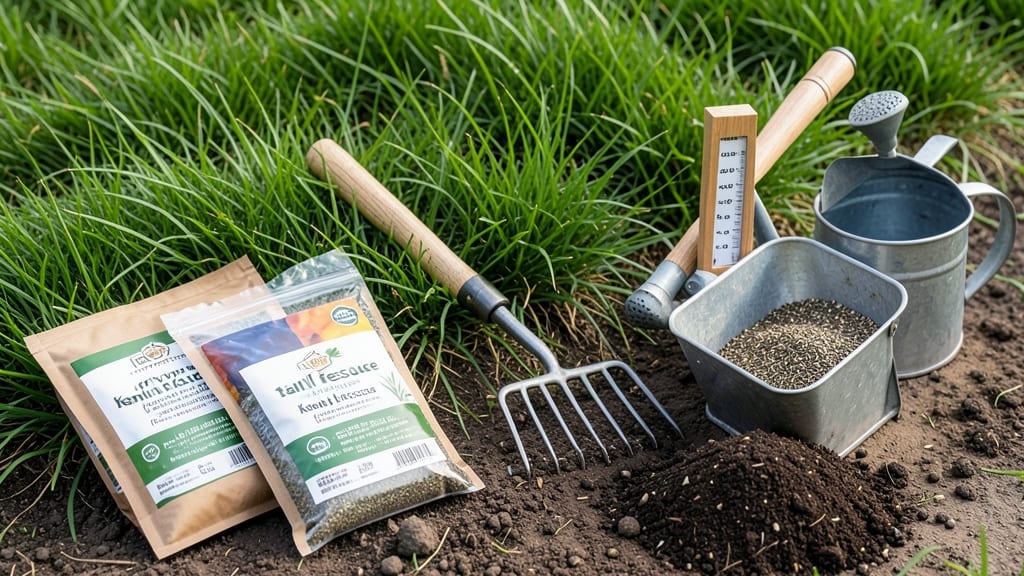
Planting grass seed in Ohio at the wrong time can mean wasted money and months waiting for a lush lawn—especially when frost sneaks in or summer heat stresses new growth.
The key to success isn’t just picking a date; it’s understanding your local frost patterns, soil temperatures, and even which grass varieties thrive in your microclimate.
Ohio’s 6a zone gives you a 165-day frost-free window, but that doesn’t mean you can plant anytime between April and October.
Early spring and fall are your best bets, but timing is everything—soil needs to warm to at least 50°F for germination, while late summer heat can scorch seedlings before they establish.
I’ve spent years tracking Ohio’s planting windows, and what I’ve learned will save you from common mistakes like planting after herbicide use or ignoring soil compaction.
Whether you’re seeding in March or September, this guide breaks down the exact conditions your grass needs to take root—and how to adjust for your region’s quirks.
Let’s dive into the science behind Ohio’s planting calendar, so you can finally get that weed-free lawn you’ve been dreaming of—without the trial and error.
Ohio grass seed planting timeline by region: frost dates & soil temperature rules
Ohio’s grass seed planting window depends on more than just calendar dates—it’s all about soil temperature and frost-free windows. Northern Ohio’s colder microclimates differ from Southern Ohio’s milder zones, so let’s break down the ideal planting months for both regions.
The golden rule? Aim for soil temps between 50°F and 65°F—this range triggers germination without stressing young seedlings.
For most of Ohio, early spring (March-April) and early fall (September-October) are the sweet spots. But don’t just grab your seed on March 1st—wait until the last frost date has passed (typically April 15 in Northern Ohio and March 30 in Southern Ohio).
Fall planting gives grass a head start on root growth before winter, while spring planting avoids summer heat stress.
Here’s where USDA hardiness zones come into play. Ohio spans zones 5b-6b, with Northern Ohio (e.g., Cleveland, Toledo) in zone 5b-6a and Southern Ohio (e.g., Cincinnati, Columbus) in zone 6a-6b.
These zones shift your frost-free window by about 2-3 weeks. For example, Cincinnati’s last frost is often March 15, while Youngstown’s lingers until April 20.
Pro tip: Use the Ohio State University Extension’s frost maps or check your local cooperative weather station for real-time updates. Even a 10°F swing can turn your perfect planting day into a seed-killing disaster.
And remember—cool-season grasses (like Kentucky bluegrass) thrive in Ohio’s climate, while warm-season grasses (like Bermuda) are rare here and need soil temps above 65°F.
🌱
| Region | Last Frost Date | First Frost Date | Ideal Planting Window | Soil Temp Range |
|---|---|---|---|---|
| Northern Ohio (Cleveland, Toledo, Youngstown) | April 15 | October 15 | March 20 - April 15 September 1 - September 30 |
50°F - 65°F |
| Central Ohio (Columbus, Dayton) | April 1 | October 20 | March 15 - April 10 September 15 - October 10 |
50°F - 65°F |
| Southern Ohio (Cincinnati, Lexington) | March 15 | October 25 | March 1 - March 31 September 1 - October 15 |
50°F - 65°F |
| All Regions (Fall Backup) | N/A | N/A | October 16 - November 15 (if soil >50°F) | 50°F - 60°F |
🌡️ Use a soil thermometer to confirm temps—don’t guess!
If you’re planting in early spring, wait until you’ve had 3 consecutive days above 50°F—this ensures the soil stays warm enough for germination. For fall planting, stop by 6 weeks before the first frost (usually mid-September in Northern Ohio).
This gives seedlings time to establish roots before winter dormancy.
One common mistake? Planting too late in spring when summer heat is approaching. Grass seed needs consistent moisture to germinate, and Ohio’s July-August heat can dry out soil faster than you can water.
If you miss the spring window, fall is your next best bet—just be ready to protect new growth from early winter frosts with a light straw mulch.
For Northern Ohio, where winters are harsher, focus on September planting. The soil stays warm longer, and seedlings have 8-10 weeks of growth before frost. In Southern Ohio, you can push planting into early November if soil temps remain above 50°F.
Always check the Ohio Agricultural Research and Development Center’s weekly reports for localized adjustments.
Don’t overlook microclimates—your backyard might be 5°F warmer than the official USDA zone due to sun exposure, windbreaks, or pavement heat. Test your soil’s warmth by pressing your hand 1 inch deep—if it feels lukewarm (not hot), it’s likely in the 50°F-65°F sweet spot.
Pair this with a soil thermometer for precision.
💧
5 Signs your Ohio soil is ready for grass seed (and 3 mistakes to avoid)
Ohio’s soil temperature and moisture levels change faster than a spring rainstorm, so don’t rely on the calendar alone. Instead, watch for these 5 key signs that your lawn is primed for grass seed—because planting at the wrong time wastes both seeds and effort.
First, check if the soil temperature has consistently reached 50°F (10°C) at a depth of 2-3 inches. Use a soil thermometer (or even your finger—if it feels warm like a fresh cup of tea, it’s ready).
Grass seeds need warmth to germinate, and cooler soils will leave you with sparse, uneven growth.
Next, look for active weed growth. Weeds like dandelions and crabgrass thrive when soil conditions are ideal for grass seed too. If weeds are sprouting, your soil is likely moist enough and free of herbicide residues (which can kill new grass). This is your green light to plant!
Another telltale sign: dry, crumbly soil that breaks apart easily when you squeeze a handful. If it sticks to your fingers or feels soggy, wait a few days for excess moisture to evaporate.
Overly wet soil smothers seeds and invites fungal diseases like damping-off, which can wipe out your entire lawn before it starts.
🌱Visual Tip: Dig a small hole near your planting area. If the sides hold their shape but aren’t rock-hard, your soil has the perfect balance of moisture and firmness for seed-to-soil contact.
| Sign | What It Means | Action |
|---|---|---|
| Soil temp ≥50°F (10°C) | Seeds will germinate consistently | Plant within 3–5 days |
| Weeds sprouting | Soil is herbicide-free and moist | Proceed with seeding |
| Dry, crumbly texture | Ideal moisture for seed contact | Aerate if compacted |
| No morning frost | Nighttime temps are stable | Perfect for spring planting |
| Birds singing at dawn | Warmer air and longer daylight | Best time for fall seeding |
Now, let’s talk about the 3 biggest mistakes Ohio gardeners make when planting grass seed. First, planting after herbicide application. Many pre-emergent herbicides (like those for crabgrass) can linger in the soil for weeks or even months.
Always wait 3–6 months after herbicide use before seeding, or your new grass won’t stand a chance.
Second, ignoring soil compaction. If your lawn feels like a concrete slab when you walk on it, seeds won’t make proper contact with the soil. Rent a core aerator to pull out small plugs of soil, which creates pockets for seeds to nestle into.
Think of it as giving your lawn a deep breath of fresh air before planting.
Finally, skipping soil prep because you’re eager to see green. Raking away debris, loosening the top 1/4 inch of soil, and adding a thin layer of compost ensures seeds have the nutrients they need to sprout.
Without this step, you’ll end up with patchy, weak grass that’s easy pickings for weeds.
✂️ Pro Tip: After planting, lightly rake the area to bury seeds 1/4 inch deep. This protects them from drying out while keeping them close enough to sunlight for germination. Water gently but thoroughly—like a soft spring shower—to settle the soil without washing seeds away.