
Planting
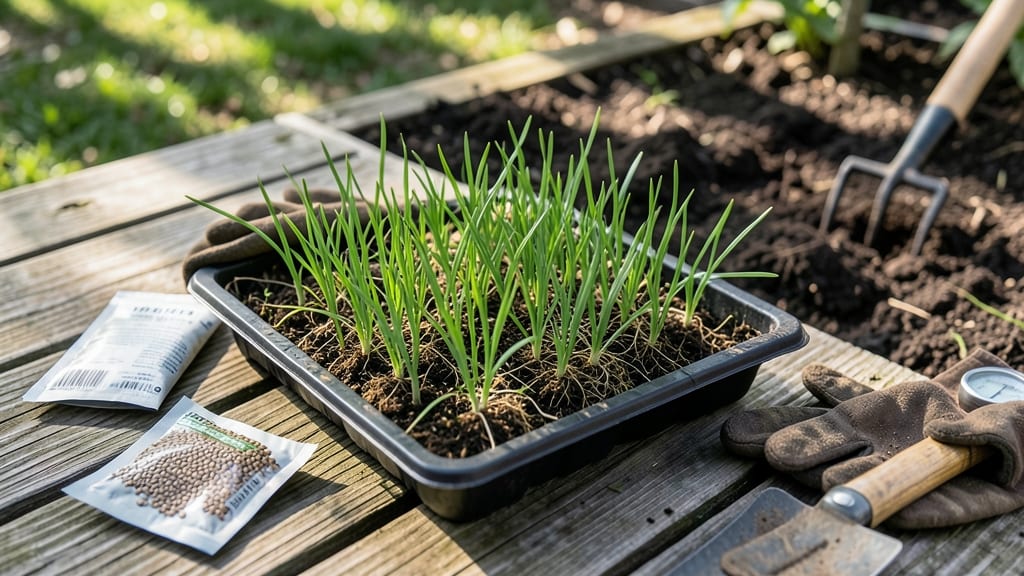
Planting grass seed in Wisconsin at the wrong time can mean wasted effort—frost nibbling your new shoots or summer heat drying out your investment before it takes root.
The key to success lies in understanding your region’s soil temperature and frost-free window, which vary dramatically from Madison’s milder climate to the colder north.
Most Wisconsin gardeners know spring and fall are the prime windows, but March-April and August-September aren’t just random months—they’re tied to soil reaching 50-55°F, the sweet spot for cool-season grasses like Kentucky bluegrass.
Waiting until after your last frost (usually mid-April) or planting 4-6 weeks before the first frost in fall gives your grass the best fighting chance.
Here’s what you need to know: regional differences matter, soil prep can make or break germination, and choosing the right grass type for your yard’s sun exposure is critical.
I’ll walk you through the exact steps to time your planting perfectly, whether you’re in zone 4a or 6b, so you can enjoy that lush, green lawn without the guesswork.
Let’s dive into the science behind Wisconsin’s planting windows, from soil temperatures to frost dates, and how to prepare your lawn for maximum success—because a great lawn starts with the right timing.
Wisconsin grass seed planting dates by soil temperature & region
Wisconsin’s cool-season climate means timing your grass seed planting is all about soil temperatures and frost-free windows. For cool-season grasses (like Kentucky bluegrass or tall fescue), the ideal soil temperature is 50–55°F.
This usually aligns with early spring (March–April) or early fall (August–September), when temperatures are mild and rainfall is consistent. Planting outside these windows risks frost damage or heat stress, both of which can stunt germination.
Northern Wisconsin (USDA zones 3b–4b) has a shorter growing season, so aim for late April to early May in spring or mid-August to early September in fall. Southern Wisconsin (zones 5a–6b) can start slightly earlier—mid-March to April in spring or late August to mid-September in fall.
Always check your local last frost date (typically mid-April in the north, early April in the south) to avoid planting too soon.
Wisconsin’s clay-heavy soils can retain cold longer, so use a soil thermometer to confirm temperatures before planting. If the ground feels cold or damp, wait a few weeks.
In southern Wisconsin, where summers are hotter, fall planting is often the best option—seeds germinate in cool weather, establish roots before winter, and wake up stronger in spring. Northern areas benefit from spring planting to take full advantage of the shorter growing season.
If you’re unsure about your exact planting window, use the 50°F soil temperature rule as your guide. Stick a soil thermometer 2–3 inches deep in the ground—when it consistently reads 50°F or warmer for a few days, it’s time to plant.
In southern Wisconsin, this often happens by mid-March, while northern areas may need to wait until late April. For fall planting, aim to finish 4–6 weeks before the first frost (usually mid-October), giving seeds time to germinate and establish roots.
Another critical factor is rainfall patterns. Wisconsin’s spring can be unpredictable, with dry spells or heavy rains that can wash away fresh seed. If your forecast calls for dry conditions, consider using a starter fertilizer with hydro-mulch to retain moisture.
In northern Wisconsin, where summers are shorter, focus on fall planting to maximize growth before winter sets in. Meanwhile, southern Wisconsin gardeners can split their efforts between spring and fall for a thicker, more resilient lawn.
Pro tip: If you’re overseeding an existing lawn, late summer (August) is ideal because warm soil speeds up germination, and cooler fall temperatures reduce weed competition. For new lawns, spring planting gives seeds time to establish before summer heat arrives.
Always choose a high-quality grass seed blend suited to Wisconsin’s climate—mixes with Kentucky bluegrass and fine fescue perform best in most areas.
One common mistake is planting too late in spring, when summer heat is approaching. If you miss the April window, wait until fall—just don’t plant after September 15, or new growth may not harden off before winter. Similarly, avoid planting warm-season grasses
How to prepare your Wisconsin lawn for grass seed planting success
Preparing your Wisconsin lawn properly before planting grass seed is half the battle. Clay-heavy soils and variable rainfall make Wisconsin unique—skipping prep steps can lead to poor germination and patchy growth.
Start by testing your soil pH (ideal range: 6.0–7.0) using a home kit or local extension service. Acidic soil (below 6.0) will stunt root growth, while alkaline soil (above 7.0) can lock out essential nutrients.
If your soil needs adjusting, add pelletized lime (for acidic soil) or sulfur (for alkaline soil) 2–3 months before planting. Spread evenly with a spreader and water lightly to activate.
For clay soils, mix in compost or peat moss to improve drainage—this is critical in Wisconsin’s wet springs and dry summers.
Next, focus on seedbed preparation. Use a stiff-bristle rake to create a fine, crumbly texture—this helps seeds make direct soil contact, which is crucial for germination. Avoid compacting the soil further, as Wisconsin’s heavy clay can suffocate young roots.
If your lawn has bare patches, overseed those areas first with a hand spreader for even coverage.
For shady areas (common in Wisconsin’s wooded regions), choose fine fescue or Kentucky bluegrass varieties labeled for low light. These grasses tolerate 3–4 hours of shade daily better than tall fescue. In sunny spots, tall fescue thrives due to its drought resistance, making it ideal for Wisconsin’s hot summers.
Finally, water deeply the day before planting to settle the soil. This reduces erosion when you spread seed and helps maintain consistent moisture during germination.
Aim for 1 inch of water per week (including rainfall) for the first 2 weeks—Wisconsin’s unpredictable weather means you may need to water daily during dry spells.
Pro tip: Cover seeds with a thin layer of straw mulch (¼ inch) to protect them from birds and drying windsearly spring or late fall plantings when temperatures fluctuate wildly.