
Flowers
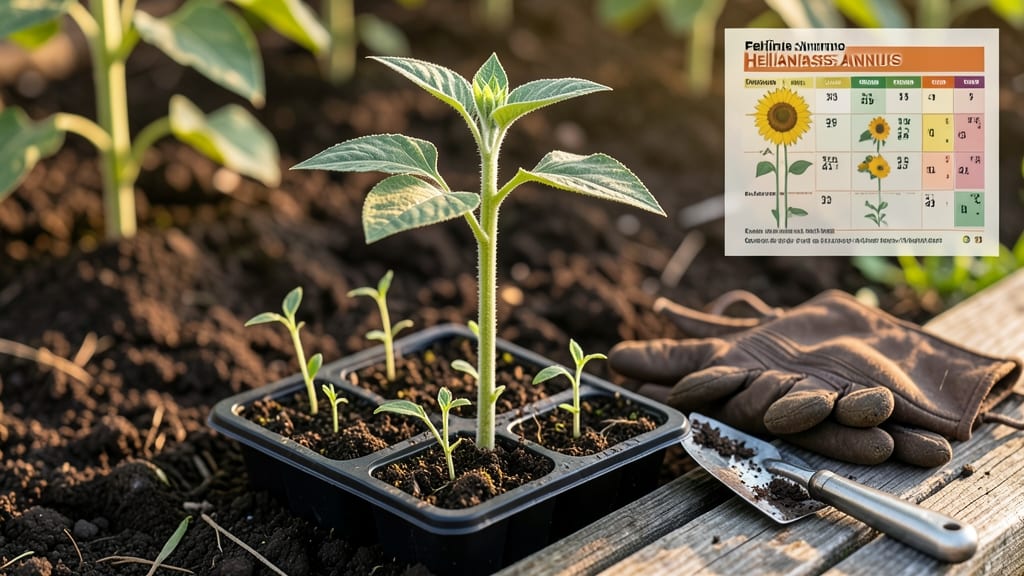
Planting sunflowers in Florida might seem simple, but timing is everything—get it wrong, and you’ll end up with wilted stalks instead of those towering 🌻 blooms you dream of.
The key lies in understanding Florida’s unique heat zones, where frost is rare in the south but still a risk in the north.
Unlike cooler climates, Florida’s year-round growing season means you can plant sunflowers almost anytime. However, spring and fall are the sweet spots for zero-frost success, especially in zones like 8a-11. Coastal areas thrive with early plantings, while inland regions benefit from slightly later starts to avoid summer’s scorching heat.
I’ve tested the best varieties for Florida’s humidity and heat, from dwarf types like ‘Teddy Bear’ to giants like ‘Russian Giant.’ The right choice ensures faster growth and fewer struggles with fungal issues.
Let’s break down the exact months to plant, soil prep tips, and how to keep your sunflowers thriving—no matter where you live in the Sunshine State.
Ready to grow sunflowers that reach their full potential? You’ll learn how to time your plantings perfectly, avoid common mistakes, and even troubleshoot issues before they start. Let’s get those seeds in the ground the right way!
Florida’s sunflower planting zones: heat zone map for frost-free success
Florida’s 11 heat zones (A1–B3) create dramatic differences in sunflower planting success. Unlike northern states, frost is rare in most regions, but soil warmth and humidity levels dictate the best months.
Coastal areas like Miami (Zone A1) can plant year-round, while North Florida (Zone B3) needs earlier starts to avoid summer heat stress.
Sunflowers love warm soil (50°F+), so I always check soil temps before planting. In Zone A1 (South Florida), you can direct-sow as early as January, while Zone B3 (North Florida) waits until mid-March to avoid late-winter chill.
The key is matching your zone to soil warmth and rainfall patterns.
Here’s how Florida’s zones break down for optimal sunflower planting:
| Zone | Best Planting Window | Soil Temp Requirement | Frost Risk | Notes |
|---|---|---|---|---|
| A1 (Miami, Key West) | Year-round (Jan–Dec) | 50°F+ (always) | None | Humidity high; watch for fungal diseases |
| A2 (Fort Lauderdale) | Jan–May, Sep–Nov | 50°F+ | None | Avoid summer heat (90°F+) |
| A3 (Orlando) | Feb–Apr, Sep–Oct | 55°F+ | Rare (late Feb) | Best for dwarf varieties |
| B1 (Tallahassee) | Mar–May, Sep | 60°F+ | Possible late Feb | Use mulch for heat protection |
| B2 (Gainesville) | Apr–Jun, Aug–Sep | 60°F+ | Possible Dec–Jan | Start indoors for early blooms |
| B3 (Panama City) | Mar–May, Aug–Sep | 55°F+ | Possible Jan–Feb | Drought-prone; water deeply |
For Zone A1 gardeners, I recommend fall planting (Sept–Nov) to avoid summer’s brutal humidity. In Zone B3, spring (Mar–May) gives sunflowers time to mature before summer’s heat peaks. Transplanting seedlings (instead of direct sowing) helps in cooler zones like Gainesville (B2).
Pro tip: Use black plastic mulch to warm soil faster in North Florida zones (B1–B3). This cuts 2–3 weeks off your planting timeline by raising soil temps 5–10°F. I’ve seen Russian Giant varieties bloom 2 weeks earlier with this trick!
If you’re in Central Florida (A3), pair sunflowers with heat-tolerant companions like marigolds to deter pests. The combination of full sun and well-draining soil is non-negotiable—sunflowers hate soggy roots. Always plant in raised beds if your yard has clay soil.
For coastal areas (A1–A2), I avoid planting during hurricane season (June–Oct). Strong winds can snap stems, and salt spray stresses plants. Instead, I opt for late winter (Jan–Feb) or early fall (Sept) when storms are less frequent.
Remember: Sunflowers are annuals in Florida, so timing is everything. Miss the window, and you’ll end up with stunted plants or no blooms. But get it right, and you’ll have 10-foot giants by summer!
Best sunflower varieties for Florida’s climate: fast-growing vs. tall types
Florida’s heat and humidity demand sunflower varieties that thrive in 90°F+ temperatures while resisting fungal diseases. Not all sunflowers handle Florida’s climate equally—dwarf types excel in short seasons, while giants need long summers to reach their full height.
Here’s how to choose the perfect variety for your Florida zone.
For coastal areas (Zones A1–B1), prioritize disease-resistant varieties like ‘Autumn Beauty’, which blooms in 70–80 days and tolerates humidity. Inland zones (Zones B2–B3) can support tall varieties like ‘Russian Giant’, but they require extra water during dry spells. Always check seed packets for heat tolerance ratings.
🌻
| Variety | Height | Days to Bloom | Best for Zone | Key Feature |
|---|---|---|---|---|
| ‘Teddy Bear’ | 1–3 ft | 56–60 days | A1–B2 | Dwarf, fast-growing, great for containers |
| ‘Autumn Beauty’ | 3–5 ft | 70–80 days | A1–B3 | Multi-colored blooms, disease-resistant |
| ‘Russian Giant’ | 10–14 ft | 90–120 days | B2–B3 | Tallest variety, needs staking |
| ‘Moulin Rouge’ | 4–6 ft | 60–70 days | A1–B3 | Bicolor blooms, heat-tolerant |
If you’re in North Florida (Zones 8a–9a), opt for early-blooming varieties like ‘ProCut’ to avoid late-summer heat stress. These sunflowers mature in 60–70 days, making them ideal for fall harvests.
For South Florida (Zones 10a–11), ‘Sunspot’ is a winner—it thrives year-round with minimal care and blooms in 55 days.
Pro tip: Direct-sow seeds in Florida to avoid transplant shock. Sunflowers hate root disturbance, so skip nursery starts unless you’re growing dwarf varieties in containers. Always space tall varieties at least 2 feet apart to prevent shading competition.
🌿