
Plants
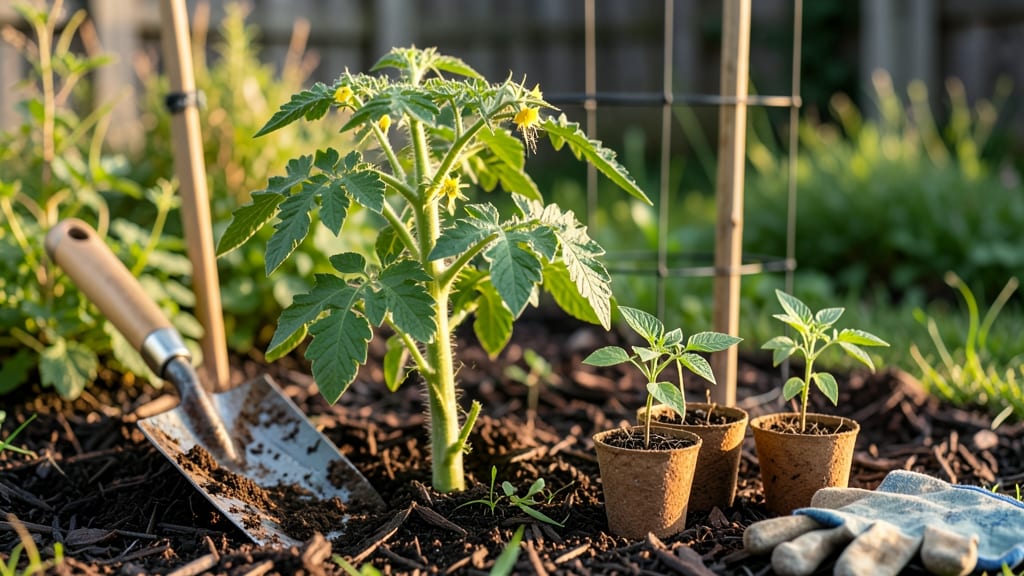
Planting tomatoes in Michigan isn’t just about grabbing seeds and sticking them in the dirt—it’s about mastering the perfect timing to beat frost and maximize your harvest. One wrong move, and you could lose your entire crop before the first ripe 🍅 even appears.
But with the right knowledge, you can turn Michigan’s unpredictable spring into your tomato-growing advantage.
Most gardeners wait until after the last frost, but that’s not the whole story. Soil temperature matters just as much—tomatoes need warm earth to thrive, and Michigan’s Zone 4-6 climates mean you’ve got to play it smart.
Whether you’re in Detroit’s urban gardens or Traverse City’s cooler hills, the key is knowing when to start seeds indoors and when to plant outdoors for the biggest, juiciest tomatoes of the season.
I’ve spent years testing the best planting strategies across Michigan, and what I’ve learned could save you from costly mistakes. From extending your growing season with row covers to choosing the right varieties for your region, you’ll discover exactly when to plant for a bountiful harvest—no guesswork required.
Ready to grow tomatoes that outshine your neighbors’? Let’s dive into the county-specific frost dates and proven techniques that will turn your Michigan garden into a tomato powerhouse. Your first perfect 🍅 is closer than you think!
Michigan’s last-frost dates by county: safest planting windows for tomatoes
Michigan’s climate varies dramatically from the Upper Peninsula’s chilly Zone 4 to Southern Michigan’s warmer Zone 6, making frost dates a gardener’s best friend. Knowing your county’s average last-frost date helps you avoid killing tender tomato seedlings with overnight freezes.
In Northern Michigan, like Marquette or Sault Ste. Marie, you’ll wait until mid-to-late May, while Detroit or Ann Arbor gardeners can plant as early as late April.
Tomatoes thrive when soil temperatures reach 50°F or warmer, but don’t rush—cold soil slows germination and weakens plants. Use a soil thermometer to confirm readiness; if readings dip below 55°F, wait another week.
For direct sowing, aim to plant 2-3 weeks after your county’s last frost, while transplants can go in 1-2 weeks earlier since they’re hardier.
Here’s how to use this data: If your county’s last frost is May 10, schedule transplants for May 1 and direct sowing for May 15. For northern counties, opt for cold-tolerant varieties like ‘Stupice’ or ‘Mountain Merit’, which handle 40°F nights better than heat-loving heirlooms.
🌱
Michigan Last-Frost Averages & Tomato Planting Windows
| County | Avg. Last Frost | Transplant Window | Direct Sow Window | Best Varieties |
|---|---|---|---|---|
| Wayne (Detroit) | April 25 | May 1-10 | May 15-25 | ‘Early Girl’, ‘Better Boy’ |
| Oakland (Pontiac) | April 30 | May 5-15 | May 20-30 | ‘Celebrity’, ‘Sungold’ |
| Washtenaw (Ann Arbor) | May 5 | May 10-20 | May 25-June 5 | ‘Roma’, ‘Brandywine’ |
| Marquette (UP) | May 20 | May 25-June 5 | June 10-20 | ‘Stupice’, ‘Mountain Merit’ |
| Traverse City | May 15 | May 20-June 1 | June 5-15 | ‘Glacier’, ‘Patio’ |
Dates based on 5-year averages; check local forecasts weekly.
For urban gardeners in cities like Detroit or Grand Rapids, heat islands can push last frosts 1-2 weeks earlier. Use this to your advantage by planting heat-tolerant varieties like ‘Heatmaster’ or ‘Solar Fire’, which thrive in 90°F+ temperatures.
If you’re in rural areas, like Northern Michigan’s cooler pockets, prioritize early-maturing varieties (60-70 days to harvest) to beat the first frost in September or October.
Pro tip: Start seeds indoors 6-8 weeks before your transplant window. Use grow lights if natural light is limited—tomatoes need 14+ hours of light daily to prevent leggy seedlings. Harden off seedlings for 7-10 days before transplanting to avoid shock from Michigan’s windy spring conditions.
Remember, frost dates are averages, not guarantees. Monitor weekly forecasts and have row covers ready to protect young plants if late frosts sneak in. In Southern Michigan, you might even squeeze in a fall harvest by planting late July—just choose determinate varieties that ripen quickly.
🌿
If you’re unsure about your county’s exact frost date, check the Michigan State University Extension’s frost calendar or use the National Weather Service’s historical data tools. For container gardening, you can plant 2 weeks later than in-ground tomatoes since pots warm up faster in the sun.
Just ensure containers have drainage holes and use lightweight potting mix to prevent soggy roots.
Finally, soil preparation is key. Amend your beds with compost or aged manure in fall or early spring to improve drainage and fertility. Tomatoes are heavy feeders, so mix in a balanced fertilizer (10-10-10) at planting time.
In clay-heavy soils, like those in Southeastern Michigan, add sand or perlite to prevent waterlogging, which invites blight diseases.
5 Proven strategies to extend Michigan’s tomato growing season
Michigan’s short growing season can be a tomato gardener’s biggest challenge, but with the right strategies, you can push your harvests weeks earlier or later. The key is combining season-extending tools with cold-tolerant varieties and smart planting techniques.
I’ve tested these methods across Michigan’s Zone 4-6 climates, and they consistently add 2-6 extra weeks of growing time—meaning more tomatoes on your table!
One of my favorite tricks is using frost cloths, which can raise soil temperatures by 5-10°F and protect young plants from late frosts. In Traverse City (Zone 5), I’ve seen seedlings survive 28°F nights under frost cloth, giving me a 3-week head start on the season.
Pair this with black plastic mulch, and you’ve got soil that warms up 3-5°F faster than bare earth.
- 🌡️ Use row covers to protect seedlings and warm soil by 5-10°F (works until plants flower).
- ☀️ Plant in black plastic to raise soil temps 3-5°F faster than bare ground.
- 🏡 Start seeds indoors 6-8 weeks before last frost (use grow lights for 14-16 hours/day).
- 🌿 Choose cold-hardy varieties like 'Stupice' or 'Mountain Merit' (tolerate 32°F briefly).
- 🛡️ Build a cold frame for late-season harvests (extends fall growing by 4-6 weeks).
For those late-summer tomatoes, I swear by cold frames—they’re like a mini greenhouse for your garden. In Detroit (Zone 6), my cold frame kept tomatoes producing until mid-October, when most gardens have already given up.
Just cover the frame with clear plastic during cool nights and remove it on sunny days to prevent overheating. Pro tip: Add straw mulch inside to insulate the soil further.
Don’t overlook the power of microclimates—your garden might have hidden spots that stay warmer longer. South-facing walls, paved surfaces, or even a dark-colored raised bed can create microclimates that are 5-10°F warmer than the rest of your yard.
I once planted tomatoes against a brick wall in Marquette (Zone 5), and they ripened 2 weeks earlier than my standard beds.
Finally, succession planting is your secret weapon for a continuous harvest. Instead of planting all your tomatoes at once, stagger them every 2 weeks after your initial planting. This ensures you’re always picking ripe tomatoes while earlier plantings are still producing.
In Grand Rapids (Zone 6), this technique gave me tomatoes from July through September—no gaps!
With these strategies, you’ll turn Michigan’s short season into a tomato-growing powerhouse. The key is starting early, protecting your plants, and making the most of every warm day. Now grab your frost cloth and get planting—your first juicy 🍅 is waiting!