
Flowers
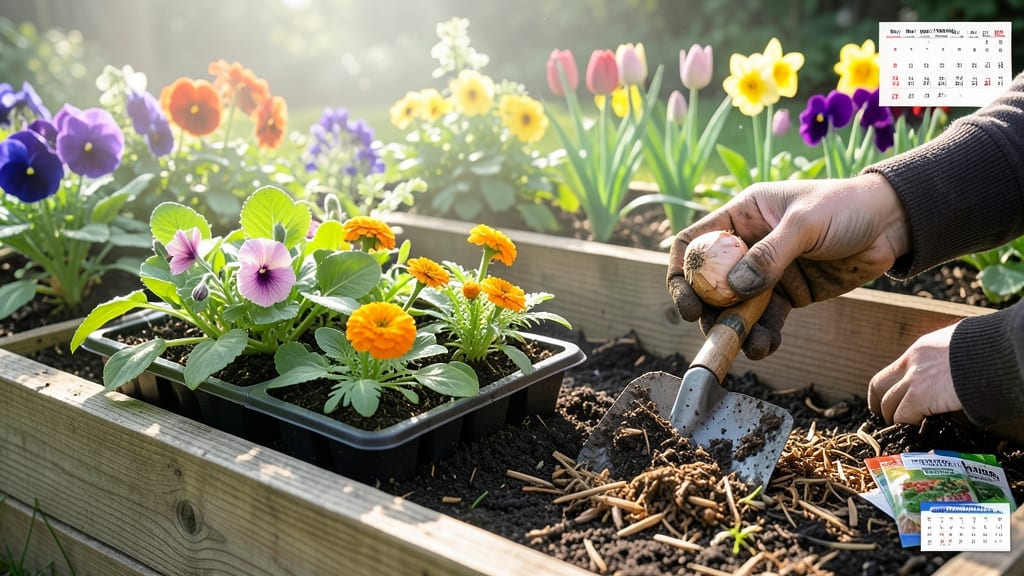
Planting flowers at the right time in spring can transform your garden from a blank canvas to a vibrant masterpiece—but get it wrong, and you might end up with wilted dreams instead of blooms.
The key is knowing when the soil is warm enough, the frost has truly passed, and your local climate is ready for those delicate seedlings.
For most gardeners in Zone 6a, the ideal window opens after your last frost date—typically around mid-April—but the exact timing depends on factors like soil temperature and flower type.
Annuals like marigolds and petunias love the warmth, while hardy perennials can handle cooler starts. Let’s break down the perfect schedule so you never miss a beat.
I’ve tested this myself over the years, and the difference between planting too early (and risking frost damage) or too late (and losing early blooms) is all about understanding your microclimate. Whether you’re a beginner or a seasoned gardener, these insights will help you time your plantings like a pro.
Ready to turn your garden into a showstopper? We’ll cover everything from soil prep to the best flowers for your region—so grab your gloves and let’s get growing!
USDA Zone planting calendar: exact weeks to plant flowers by region
Timing your spring flower planting depends entirely on your USDA hardiness zone and local last frost date. Planting too early risks frost damage, while waiting too long may delay blooms.
I’ll break down the exact weeks to plant by zone, plus regional adjustments for Pacific Northwest vs. Deep South gardeners.
Most gardeners start planting annual flowers 2-4 weeks after their average last frost date. For example, in Zone 6a (like Chicago or Denver), this typically falls in mid-April to early May. Meanwhile, Zone 10a (like Miami) can plant cool-season flowers as early as late January.
Here’s how to use this calendar: Find your zone, then count weeks from your last frost date. For instance, if your last frost is April 15, Week 1 starts April 15, Week 2 begins April 22, and so on.
Adjust for microclimates—sheltered areas may warm faster than open spaces.
🌱
For bulbs like tulips or daffodils, plant them in fall (Weeks 8-10)—they need cold stratification to bloom. Meanwhile, warm-season flowers (e.g., zinnias, cosmos) should wait until soil temperatures hit 60°F (15°C), usually 2-4 weeks after your last frost.
Pro tip: Use a soil thermometer to confirm readiness. Most flowers need soil temps of at least 50°F (10°C) for annuals and 60°F (15°C) for warm-season varieties. If your soil is still chilly, opt for cool-tolerant flowers like pansies or snapdragons.
🌿
Regional adjustments matter! In the Pacific Northwest, cooler soils mean waiting until late April or May for most annuals, while the Deep South can start as early as February. Always check your local Cooperative Extension Service for hyper-local frost data—it’s the gold standard for accuracy.
Once you’ve nailed your planting window, prep your soil by amending it with compost or aged manure and mulching to retain moisture. This sets your flowers up for strong roots and vibrant blooms all season long.
✂️
Best flowers to plant by month: fast-blooming vs. slow-growing varieties
Spring’s fleeting beauty means every week counts when planting flowers. Some varieties bloom in just 6 weeks, while others take 3 months to show color. Knowing which flowers to plant in March, April, or May ensures your garden stays vibrant from early summer through fall.
For March planting, focus on cold-hardy annuals like pansies and snapdragons. These tough beauties handle light frosts and reward you with early color. In Zone 6a, like my garden, I start pansies around mid-March once nighttime temps stay above 35°F (2°C).
April is prime time for mid-season bloomers like petunias, marigolds, and cosmos. These thrive in warmer soil (60°F/15°C) and deliver nonstop blooms from summer through fall. I always plant marigolds in early April to deter pests naturally.
🌸 Spring Flower Planting Guide by Month
- Pansies (bloom in 6-8 weeks)
- Snapdragons (tolerate light frost)
- Sweet Alyssum (fast-growing, honeybee magnet)
- Petunias (bloom in 8-10 weeks)
- Marigolds (pest-resistant, full sun lovers)
- Cosmos (drought-tolerant, self-seeds easily)
- Zinnias (bloom in 60-70 days)
- Lavender (slow-start, long-lasting fragrance)
- Coneflowers (perennial, low-maintenance)
For late spring, prioritize perennials like coneflowers and lavender—they establish roots early and reward you for years.
May is ideal for long-season performers like coneflowers and black-eyed Susans. These perennials take 8-12 weeks to bloom but keep giving through fall frost. I plant them in late April/early May to avoid late-season heat stress.
Sunlight needs vary wildly—pansies thrive in partial shade, while marigolds demand full sun (6+ hours). Always check seed packets for light requirements before planting. My south-facing garden bed gets 8 hours of sun, perfect for sun-loving varieties.
Don’t forget bulbs! Plant tulips and daffodils in fall (October-November), but gladiolus and dahlias go in late spring (May) when soil warms. These tropical-looking blooms need consistent moisture to thrive.
For container gardens, stick to compact varieties like bachelor’s buttons or dwarf marigolds. These bloom faster (4-6 weeks) and handle limited root space better than sprawling types.