
Plants
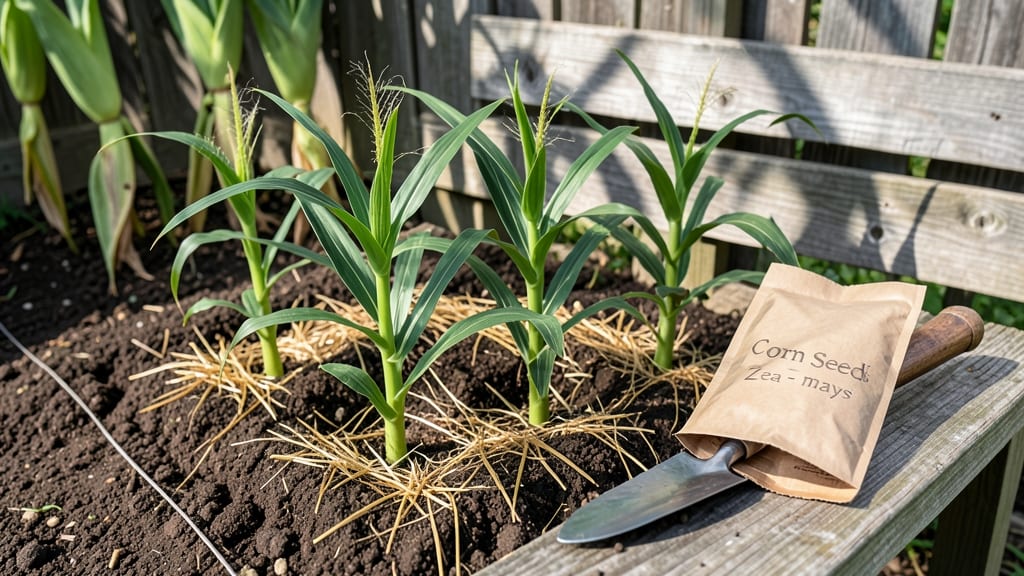
Timing your corn planting just right in New Jersey can mean the difference between a bumper crop of sweet 🌽 and a disappointing harvest. The key lies in understanding when to plant corn in New Jersey, where frost dates and soil temperatures vary—especially between northern and southern regions.
Gardening in USDA Zones 6a-7a means you’ve got roughly 165 frost-free days to work with, but getting those seeds in the ground at the wrong time can leave you scrambling.
Too early, and a late frost will wipe out tender seedlings; too late, and your corn won’t mature before the first chill of October arrives.
Don’t worry—this isn’t about guessing. I’ll walk you through the exact window for planting corn in New Jersey, from soil prep to adjusting for microclimates, so you can maximize your yield.
Whether you’re a first-time gardener or a seasoned pro, these insights will help you grow corn that’s plump, flavorful, and ready to harvest by late summer.
Ready to turn your garden into a cornucopia? Let’s dive into the strategies that’ll have your 🌽 thriving from mid-April through May—when the soil warms and the days grow longer. Your future harvest starts with the right timing, and I’ve got you covered.
Optimal planting dates for corn in New Jersey’s zone 6b climate
New Jersey’s USDA Zone 6b climate offers a short but sweet window for growing sweet corn. Timing your planting right ensures healthy plants and a bountiful harvest before the first frost.
The last average frost date in most of NJ falls around April 15, but this can vary by 1-2 weeks depending on whether you're in northern counties like Bergen or southern areas like Cape May.
For the best results, aim to plant corn seeds 2-4 weeks after your last frost date. This typically lands between mid-April and mid-May. Corn thrives when soil temperatures reach at least 50°F, but it grows best when the soil is consistently 60°F or warmer.
Using a soil thermometer can help you time your planting perfectly.
If you're in northern NJ, where frosts linger longer, consider starting seeds indoors 4-6 weeks before your last frost date and transplanting seedlings after the danger of frost has passed.
This gives you a head start on the growing season. For southern NJ, where the climate is slightly milder, direct sowing outdoors is usually sufficient.
🌽 New Jersey Corn Planting Timeline
| Stage | Action | Notes |
|---|---|---|
| Early April | Prepare soil | Test soil pH (aim for 6.0-7.0) |
| Mid-April | Start seeds indoors (optional) | For northern NJ gardeners |
| Late April | Direct sow outdoors | After last frost, soil 60°F+ |
| May-June | Thin seedlings | Keep 4-6 inches apart |
| July-August | Harvest corn | When silks turn brown |
If you miss the primary planting window, don’t worry—corn can still be planted in early June for a late-summer harvest. However, this method works best if you choose shorter-maturing varieties (around 75-85 days to harvest).
Varieties like 'Silver Queen' or 'Golden Bantam' are great choices for a second planting.
For urban gardeners with limited space, consider bush corn varieties like 'Miracle' or 'Ambrosia'. These don’t require as much space as traditional corn and can be planted slightly later in the season. Just be sure to water consistently and provide full sun exposure to maximize yield.
Always keep an eye on local weather forecasts and frost predictions as you plan. If an unexpected late frost is forecasted, use row covers or cloches to protect young seedlings. This simple step can make all the difference in ensuring your corn survives those chilly nights.
Finally, remember that corn loves warmth, so the earlier you can get it in the ground, the better. With the right timing and care, you’ll be enjoying homegrown sweet corn straight from your NJ garden by late summer! 🌽
How to adjust corn planting for New Jersey’s microclimates and soil types
New Jersey’s diverse geography—from coastal sandy soils in Cape May to clay-heavy regions in Morris County—means one-size-fits-all planting advice fails. Adapt your approach to match your local conditions for healthier corn and bigger yields.
In coastal areas (like Atlantic City), warmer microclimates let you plant 1-2 weeks earlier than inland zones. Use row covers to shield young plants from chilly ocean breezes until soil warms to 60°F+. Inland gardeners should wait until mid-May to avoid late spring frosts that linger in valleys.
Clay soils (common in northern NJ) drain poorly, risking root rot and stunted growth. Amend with compost or sand before planting, and raise beds if possible. For urban gardens with compacted soil, plant in containers filled with well-draining potting mix—just ensure pots are at least 12 inches deep.
🌱 Sandy Soil (Coastal NJ)
- Warmer earlier in spring
- Good drainage prevents waterlogging
- Less risk of fungal diseases
- Nutrients wash out quickly
- Needs frequent watering
- Salty air can stress plants
🏞️ Clay Soil (Northern NJ)
- Holds moisture longer
- Rich in nutrients
- Retains heat well
- Poor drainage causes rot
- Hard to work when wet
- Requires heavy amendments
Extend your growing season with companion planting. Pair corn with beans or squash to improve soil fertility and deter pests. In short-season areas (like Passaic County), choose early-maturing varieties like ‘Silver Queen’ (70 days) or ‘Early Sunglow’ (75 days) to beat fall frosts.
Mulch heavily with straw or grass clippings to regulate soil temperature and retain moisture. In hot inland areas (e.g., Mercer County), mulch also protects roots from heat stress. Avoid plastic mulch—it traps too much heat for NJ’s humid summers.
For urban gardeners with limited space, try bush corn varieties like ‘Golden Bantam’ (5-6 ft tall) or ‘Tom Thumb’ (3-4 ft). These grow well in containers or raised beds and produce compact ears perfect for small plots. Just ensure they get full sun (6+ hours) and consistent water.
🌾 Whether you’re battling coastal winds, clay soil, or urban constraints, adapting your approach pays off with healthier plants and a longer harvest window.