
Flowers
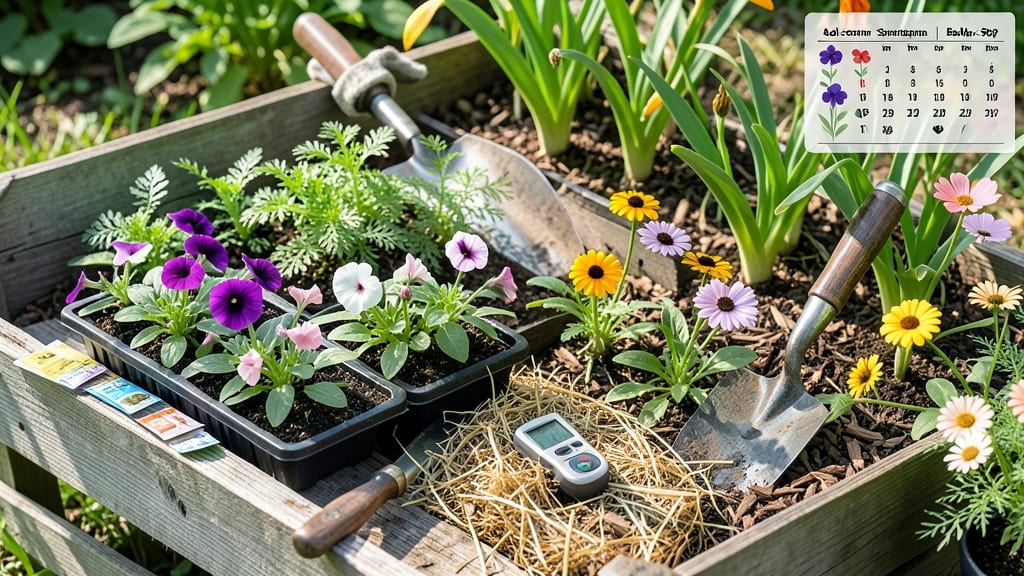
Planting your 🌸 flowers at the wrong time in North Carolina can mean the difference between a garden bursting with color and one that barely survives. Whether you're in the cooler mountain regions or the warmer coastal plains, getting the timing right is the key to vibrant blooms all season.
Most gardeners in zones 6a-8b know the struggle: plant too early, and frost will nip those delicate buds before they even open. Plant too late, and your flowers might never reach their full potential.
But with the right schedule—like late winter to early spring for perennials or late summer for fall bloomers—you can extend your garden's beauty from April through November.
I’ve tested what works best across North Carolina’s diverse climate, from the Piedmont’s mild winters to the Mountains’ later frosts. What I’m about to share isn’t just theory; it’s the perfect timing for annuals, perennials, and bulbs, tailored to your exact zone.
Let’s make sure your garden thrives, not just survives.
Ready to transform your yard into a year-round showcase? We’ll cover everything from frost dates to the best varieties for your area, so you can plant with confidence and enjoy flowers that last.
North Carolina planting zones: when to start flowers by hardiness area
North Carolina spans USDA hardiness zones 6b through 8b, creating diverse planting windows across the state. The Coastal Plain (Zone 8a-8b) enjoys longer growing seasons, while the Mountains (Zone 6b-7a) face earlier frosts. Understanding your zone helps you time plantings perfectly to avoid frost damage or missed blooms.
Most gardeners in NC focus on two key planting windows: early spring (after last frost) and late summer (for fall blooms). The last average frost date varies—expect March 15 in the Mountains but as early as February 28 in the Coastal Plain.
Always check local frost data before planting tender varieties.
Here’s how to align your flower planting with North Carolina’s zones and seasonal rhythms:
| Zone | Last Frost | Spring Planting (Annuals) | Fall Planting (Annuals) | Bulbs (Planting Time) |
|---|---|---|---|---|
| 6b (Mountains) | March 15 | April 15–May 1 | August 15–September 15 | October–November |
| 7a (Piedmont) | March 1 | March 20–April 15 | August 1–September 10 | September–October |
| 8a (Coastal Plain) | February 28 | February 28–March 15 | July 15–August 15 | August–September |
For perennials and shrubs, timing varies by variety. Hardy perennials like coneflowers and black-eyed Susans can be planted in early spring or fall, while tender perennials like canas and dahlias wait until after the last frost.
Bulbs like tulips and daffodils need 6–8 weeks of chilling, so plant them in fall for spring blooms.
In Zone 8b, you can even plant some winter-blooming flowers like pansies or snapdragons in late summer for color through the holidays. These varieties thrive in cooler weather and add a pop of color when many other flowers fade.
Always check your local extension office for microclimate adjustments. Urban areas may experience heat islands, delaying frost, while rural spots can have earlier cold snaps. Use frost dates as guidelines, not rules—monitor weather forecasts closely in the weeks leading up to planting.
Pro tip: Start cool-season flowers like pansies or calendula indoors 8–10 weeks before the last frost for an earlier display. This gives you a head start on the season and maximizes your garden’s bloom time.
If you’re unsure about your zone, use the USDA Plant Hardiness Zone Map or enter your ZIP code into tools like the NC State Extension’s Garden Planning Calculator. These resources provide hyper-localized advice tailored to your exact location.
Remember, soil temperature matters too. Most flower seeds need soil at 60°F or warmer to germinate. Use a soil thermometer to confirm readiness, especially in cooler mountain zones where spring arrives later.
With these zone-specific timelines, you’ll avoid the #1 gardening mistake: planting too early and losing tender flowers to frost. Soon, your NC garden will be a blooming paradise—just in time for spring and summer color! 🌸
Best flower varieties for North Carolina’s climate and their planting schedule
North Carolina’s diverse climate—from the humid Coastal Plain to the cooler Mountains—means your flower choices should match your USDA zone and microclimate. Some varieties thrive in hot summers, while others need spring or fall planting to avoid frost.
Let’s dive into the best annuals, perennials, and bulbs for your garden, along with their ideal planting times.
For cool-season flowers, like pansies and snapdragons, start seeds indoors 8-10 weeks before your last frost date (typically late February to early March in most zones). These hardy beauties can handle light frosts and even bloom in fall and winter with proper care.
In contrast, heat-loving annuals, such as zinnias and marigolds, should wait until after the last frost (usually mid-April to early May) to avoid stunted growth.
🌸 Did You Know? North Carolina’s Zone 8b (Coastal areas) has a longer growing season, allowing for year-round planting of tropical flowers like hibiscus, while Zone 6a (Mountains) gardeners must time planting more carefully to avoid late spring frosts.
-
🌱 Early Spring (March-April):
🌷Plant bulbs (daffodils, tulips) 6-8 weeks before last frost. Perennials (azaleas, daylilies) can go in after soil warms to 50°F.
-
🌞 Late Spring (May-June):
🌻Time for annuals (petunias, zinnias) and heat-tolerant perennials (black-eyed Susans, coneflowers). Wait until soil is 60°F+.
-
🌿 Summer (July-August):
🌼Sow fall-blooming seeds (cosmos, sunflowers). Transplant tender perennials (canas, salvias) for late-season color.
-
🍂 Fall (September-October):
🌷Plant cool-season annuals (pansies, snapdragons) and spring-blooming bulbs (tulips, crocuses) for next year.
If you’re in Zone 7a or below, prioritize frost-resistant varieties like heuchera (coral bells) or sedum, which handle early fall frosts better than delicate annuals. For Coastal NC (Zone 8a-8b), don’t shy away from tropical plants like hibiscus or bougainvillea, which thrive in humid heat.
Pro tip: Use succession planting for annuals like marigolds or nasturtiums. Sow a new batch every 2-3 weeks from spring to early summer to ensure continuous blooms all season. This works especially well in shorter-season zones (6a-7a) where summers are brief.
For perennials, early spring is key—plant daylilies or hostas as soon as the ground is workable (40-50°F) to give roots time to establish before summer heat sets in. In southern NC, you can even plant some perennials in late fall for an early spring advantage.