
Plants
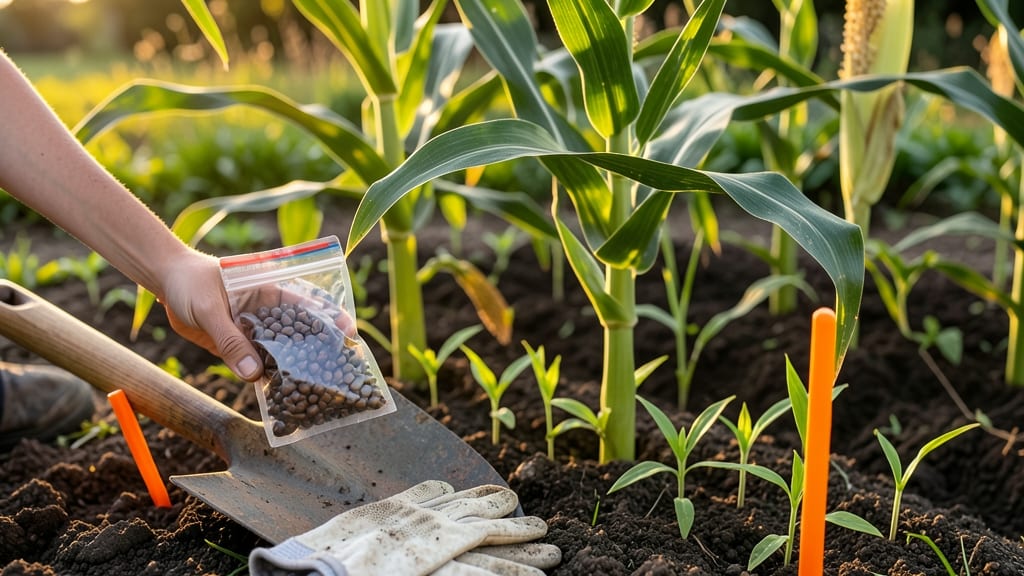
Planting corn in North Carolina at the wrong time can turn your 🌽 dreams into a sad, stunted disappointment—but get the timing right, and you’ll be feasting on golden ears by summer.
The key isn’t just waiting for spring; it’s knowing your exact USDA zone (most of NC falls in 7a-8a) and when the soil warms enough to support rapid growth.
Most gardeners in North Carolina plant corn between mid-April and late June, but that window shifts depending on whether you’re in the cooler Piedmont or the warmer Coastal Plain. Too early, and frost will nip your seedlings; too late, and your corn might bolt before producing sweet ears.
I’ll break down the exact dates you need to aim for in your specific zone.
Beyond dates, soil temperature and frost risk are the most important factors. Corn thrives when soil hits 60°F, and even a light frost can ruin tender young plants. Don’t guess—learn how to check your soil’s readiness and adjust your planting schedule for peak harvests from late July to October.
Ready to grow corn that’s tall, sweet, and ready for the cob? Let’s dive into the game-changer strategies that’ll make your North Carolina corn garden a success—no more wasted seeds or half-hearted harvests.
North Carolina corn planting dates by USDA hardiness Zone (with exact timing)
North Carolina’s diverse USDA zones (7a-8b) create unique planting windows for corn, where soil temperature and frost dates dictate success. Most gardeners in the Piedmont region (Zone 7b) should start seeds indoors by mid-March or plant directly after the last frost (mid-April).
Coastal areas (Zone 8a) enjoy a 2-3 week earlier window, while mountain zones (Zone 6b) may need to wait until late April.
Corn thrives when soil reaches 60°F (15°C)—use a soil thermometer to confirm readiness. In Zone 7a (Western NC), this typically aligns with April 15-30, while Zone 8a (Coastal NC) can plant as early as March 20-April 10.
Late plantings after June 1 risk immature ears before frost.
| Zone | Last Frost Date | Optimal Planting Window | Soil Temp Requirement | Harvest Window |
|---|---|---|---|---|
| 7a (Mountains) | April 15 | April 20 - May 15 | 60°F+ (15°C) | Late July - Early Sept |
| 7b (Piedmont) | April 1 | April 10 - May 20 | 60°F+ (15°C) | Late July - Mid-Oct |
| 8a (Coastal) | March 15 | March 20 - June 1 | 60°F+ (15°C) | June - Oct |
For sweet corn varieties (like 'Silver Queen'), aim for 70-90 days to maturity—planting in April-May ensures harvest before first frost (mid-October). Field corn (e.g., 'Pioneer 39G31') can handle later plantings (June) but may need row covers to extend the season.
Always check your local USDA frost map for precise dates.
Pro tip: Use black plastic mulch to warm soil faster in Zone 7a, allowing earlier plantings. In Zone 8a, you can even try fall plantings (July-August) for late-season harvests, though yields may be smaller. Just ensure 120+ frost-free days remain after planting.
If you’re unsure about your zone, check the NC State Extension’s interactive map or use the USDA Plant Hardiness Zone Finder. These tools account for microclimates like urban heat islands or sheltered valleys, which can shift planting dates by 1-2 weeks.
For example, Raleigh (Zone 7b) may plant 1 week earlier than nearby Asheville (Zone 7a).
Corn planted too early faces frost damage or slow germination in cold soil, while late plantings struggle with poor pollination in summer’s heat. My recommended strategy: Start with early-maturing varieties (60-70 days) in Zone 7a and medium-maturing (80-90 days) in Zone 8a to maximize yield.
Always plant after the last frost—not before!
For container growing, use 5-gallon pots and plant in late May to avoid early frost. Containers warm up faster than soil, so you can extend the season by 2-3 weeks compared to ground planting.
Just ensure pots get full sun (6+ hours) and use well-draining soil to prevent root rot.
Remember: Corn is heavy feeders, so amend soil with compost or aged manure before planting. In sandy soils (common in Coastal NC), add organic matter to retain moisture.
Test your soil’s pH (6.0-6.8 ideal)—corn thrives in slightly acidic conditions. If your soil is too alkaline, mix in peat moss or sulfur 2-3 weeks before planting.
🌽
How to adjust corn planting dates for North Carolina’s microclimates (and avoid common mistakes)
North Carolina’s geography creates microclimates that can shift planting windows by weeks—even within the same county. For example, Asheville’s cooler elevation (Zone 7a) may need corn planted in late April, while coastal Wilmington’s warmer Zone 8a can start as early as mid-March.
Ignoring these differences often leads to frost damage or poor pollination from heat stress.
Urban gardens in cities like Charlotte or Raleigh experience the "heat island effect", where pavement and buildings raise soil temperatures by 5-10°F. This can let you plant 1-2 weeks earlier than rural areas, but monitor soil temps closely—corn needs 60°F+ soil to germinate properly.
Use a soil thermometer ($10 at garden centers) to avoid guessing.
- Yellowing leaves after true leaves emerge (frost damage)
- Stunted growth below 6 inches after 2 weeks
- Blackened seedling tips (soil too cold)
- Silks drying prematurely (heat stress from late planting)
For late plantings, choose short-season varieties (60-70 days to maturity) like 'Early Sunglow' or 'Silver Queen'. These can still produce ears if planted by mid-June, but expect smaller yields.
Avoid late July plantings—corn needs 90+ frost-free days to mature, and NC’s first frost hits mid-October in most zones.
Elevation matters too: Every 1,000 feet higher delays planting by 3-5 days. In the Blue Ridge Mountains, aim for May 1-15 planting dates, while Piedmont regions can start as early as April 15.
Check your USDA Plant Hardiness Zone (NC State Extension’s NC Climate tool) for precise local data.
Pro tip: Plant a test row 2 weeks before your ideal date to gauge soil warmth. If seedlings emerge in 5-7 days, the rest of your crop is safe.
If they take 14+ days, wait another week. This simple trick saves dozens of plants from frost risk every year.
Finally, coastal areas (like Outer Banks) can extend the season with fall plantings in early August for varieties like 'Bodacious' (70-day maturity). Just ensure you harvest before October’s first frost—or use row covers to buy 2-3 extra weeks.