
Plants
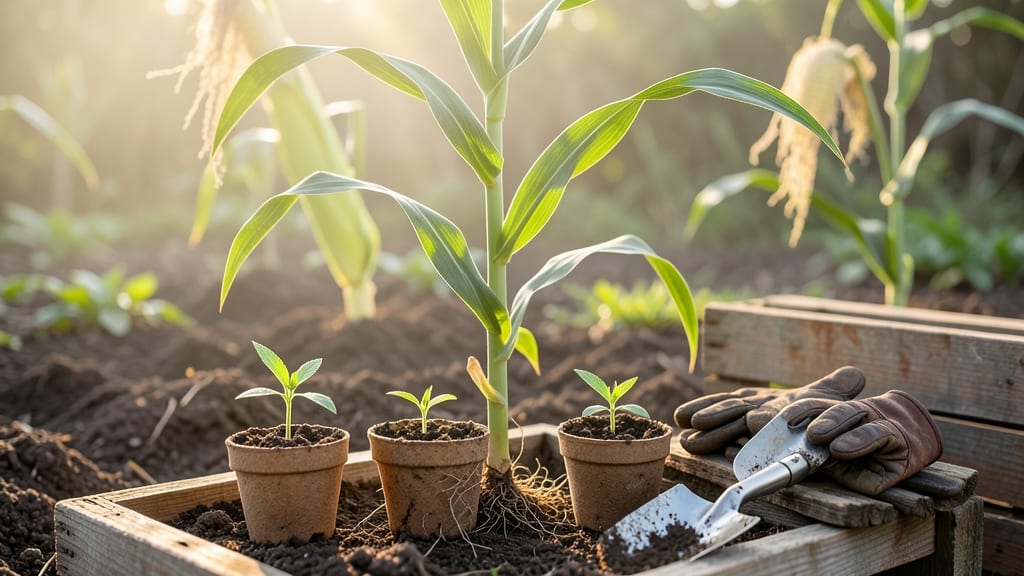
Planting corn in North Carolina at the wrong time can mean the difference between a bountiful harvest and wasted effort—especially when soil temperatures and frost dates vary wildly across the state.
Unlike other crops, corn demands precise timing to thrive, and getting it right means aligning your schedule with NC’s unique microclimates, from the coastal plains to the mountain regions.
I’ve learned the hard way that rushing too early or waiting too long can leave your 🌽 vulnerable to frost damage, poor germination, or even pest attacks.
The key lies in understanding your specific heat zone and soil readiness—because what works in the Piedmont won’t cut it in the Outer Banks. Let’s break down the exact windows you need to target for success, tailored to NC’s growing conditions.
You’ll discover how to time your planting for optimal germination, when to adjust for late frosts, and how staggered sowing can extend your harvest season.
Whether you’re growing sweet corn for the table or field corn for livestock, these NC-specific strategies will help you avoid common pitfalls and maximize your yield.
Ready to turn your corn patch into a productive powerhouse? I’ll walk you through the steps—from testing soil warmth to spacing plants just right—so you can confidently plant when the conditions are perfect for your corner of North Carolina.
North Carolina corn planting calendar by heat zone (exact months for optimal germination)
North Carolina spans USDA heat zones 5A through 8A, creating dramatic differences in frost dates and growing seasons.
In the mountains (5A-6A), corn must go in the ground by late April to early May to avoid frost, while coastal zone 8A gardeners enjoy a March 15 to April 15 window.
These differences mean planting too early or late can lead to stunted plants, poor pollination, or ear rot.
Corn seeds need soil temperatures above 50°F (10°C) for reliable germination. Use a soil thermometer to confirm—planting when the soil hits 60°F (15°C) gives the fastest sprouting.
In zone 7A (Piedmont region), this typically aligns with mid-April to early May, but coastal areas can start as early as late March.
Here’s the breakdown by heat zone, including last-frost averages and ideal planting windows for sweet corn, field corn, and popcorn varieties:
| Heat Zone | Last Frost Date | Ideal Planting Window | Soil Temp Threshold | Notes |
|---|---|---|---|---|
| 5A-6A (Mountains) | May 1-15 | Late April–Early May | 60°F+ (15°C+) | Short season; choose early-maturing varieties (60-70 days). |
| 7A (Piedmont) | April 1-15 | Mid-April–Early May | 55°F+ (13°C+) | Balanced zone; sweet corn thrives here with proper spacing. |
| 7B (Coastal Plain) | March 15-April 1 | Late March–Early April | 50°F+ (10°C+) | Humidity risks fungal diseases—use dwarf varieties for easier care. |
| 8A (Coastal) | February 15-March 15 | March 15–April 15 | 50°F+ (10°C+) | Longest season; double-crop with fast varieties like 'Silver Queen'. |
For field corn or popcorn, extend your planting window by 2-3 weeks later than sweet corn. These varieties tolerate cooler soils better and mature slower, making them ideal for late summer harvests in zones 7A and warmer.
In zone 5A, stick to one early planting and prioritize fast-maturing hybrids like 'Early Sunglow' (65 days).
Pro tip: Use black plastic mulch in cooler zones to warm soil faster. Lay it down 1-2 weeks before planting to create a 5-10°F warmer microclimate for seeds. This trick lets you plant 2 weeks earlier in marginal zones like 6A.
Always check your local extension office for recent frost data—NC’s microclimates can shift frost dates by 2+ weeks even within the same county. For example, Asheville (6A) might see frost until May 10, while Raleigh (7B) typically warms up by April 15.
If you’re in doubt about your zone, use the USDA Plant Hardiness Zone Map and cross-reference with NC State Climate Office data. Planting too early in cool soils causes seeds to rot, while waiting too long risks bolting (premature flowering) before ears form.
For maximum yield, aim to harvest before first frost. In zone 8A, this could mean two harvests in one season—plant early varieties in March and late varieties in June for a fall crop.
🌽
Critical factors that determine your corn planting success in NC (beyond just months)
North Carolina’s diverse microclimates mean that even if you plant in the "right month," local conditions can still sabotage your corn. For example, the coastal plain (Zone 8A) has warmer soil earlier than the mountains (Zone 6A), but also higher humidity that invites fungal diseases.
These hidden variables often decide whether your crop thrives or fails.
Your soil type is the first critical factor. Sandy soils warm up faster but dry out quickly, while clay holds moisture longer but stays cold. Test your soil’s temperature—corn needs a minimum of 50°F (10°C) for germination.
Stick a soil thermometer 2 inches deep; if it’s below this, wait. NC’s elevation gradients also matter: mountain regions may need a 2-week delay compared to the Piedmont.
Don’t overlook weather patterns. NC’s summer droughts (especially in the sandhills region) can stress young corn plants, while coastal humidity increases the risk of corn earworm infestations.
Check your local NOAA climate data for historical rainfall trends—if your area averages less than 1 inch of rain per week in June, plan for drip irrigation or mulching to retain moisture.
Another game-changer is pest pressure. Raccoons, deer, and armyworms are notorious in NC gardens. If you’re planting in Zone 7B or warmer, consider using row covers or physical barriers until plants reach 12 inches tall.
Even bird damage can be severe—plant near reflective tape or wind chimes to deter them.
Finally, soil pH plays a hidden role. Corn prefers a slightly acidic to neutral pH (6.0–7.0). Test your soil—NC’s red clay soils often lean acidic.
If your pH is below 6.0, amend with lime 4–6 weeks before planting. Overlooking this can lead to nutrient deficiencies, even with fertilizers applied.
By accounting for these localized factors, you’ll avoid the most common NC-specific pitfalls. Start with a soil test, monitor weekly weather forecasts, and adjust your planting date by ±1–2 weeks based on real-time conditions—not just a calendar.
Your corn will thank you with taller stalks, fuller ears, and a longer harvest window. 🌽