
Plants
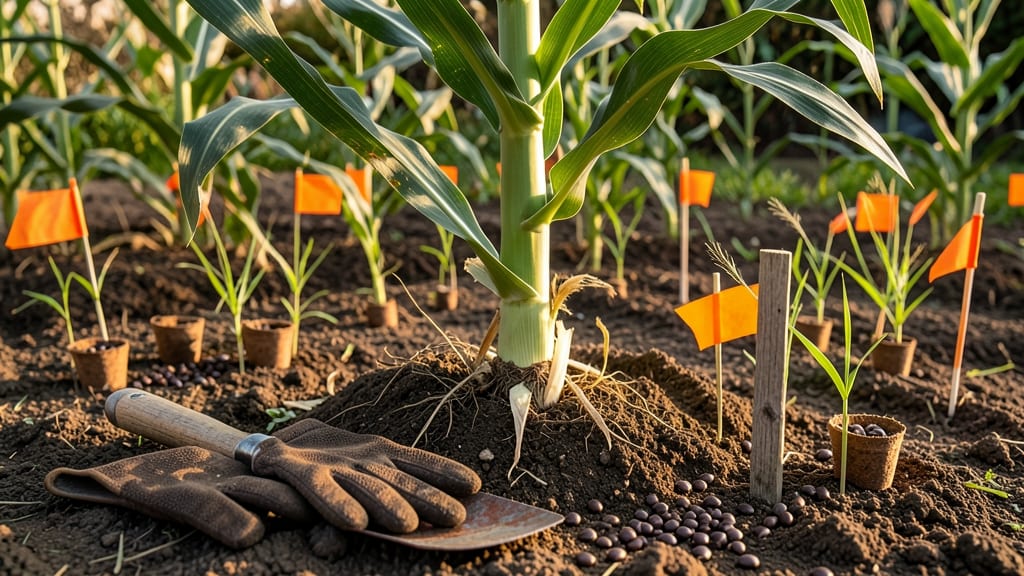
Planting corn in North Alabama at the wrong time can mean the difference between a bountiful harvest and wasted seeds—especially when your growing season is tight.
The key to fast germination and strong stalks is timing it right, when soil temperatures hit that sweet spot between 50°F and 60°F, typically between mid-April and early May.
Why does this matter? Corn is fussy about warmth—it needs soil that’s consistently above 60°F to sprout quickly, and North Alabama’s unpredictable springs can throw off even the best-laid plans.
If you plant too early, a late frost will kill your seedlings; too late, and your corn won’t mature before the heat of summer stresses it out.
I’ve learned the hard way that checking soil temperature (not just air temperature) is the game-changer for success. A simple soil thermometer or even your finger can tell you when it’s time to drop those seeds.
Let’s break down exactly how to nail your planting window for faster germination and bigger ears.
Whether you’re growing sweet corn for summer meals or field corn for livestock, these soil temperature rules will help you avoid common mistakes. Ready to turn your garden into a corn patch that rivals the pros? Let’s get started.
Optimal soil temperature ranges for planting corn in North Alabama
Corn thrives when planted in warm soil, but North Alabama’s USDA Zone 7a brings unique challenges. The ideal soil temperature for corn germination is between 50-60°F, with 60°F+ ensuring faster sprouting. Cold soil delays germination and increases disease risk, so timing is everything.
In North Alabama, soil warms gradually after the average last frost date (March 15). By mid-April, most areas reach the 50°F threshold, but deeper soil layers may lag behind.
Use this window to plant early varieties or wait until early May for standard varieties to ensure consistent germination.
🌱
| Factor | North Alabama Specification | Actionable Tip |
|---|---|---|
| Soil Temperature for Germination | 50-60°F (optimal: 60°F+) | Use a soil thermometer at 2" depth to confirm. |
| Last Frost Date (Average) | March 15 (varies by microclimate) | Wait 2-3 weeks after last frost before planting. |
| Best Planting Window | Mid-April to early May | Early April for early varieties; May for standard varieties. |
| Soil Warm-Up Time | 2-4 weeks after last frost | Use black plastic mulch to warm soil faster. |
| Late Frost Risk | High in valleys; low in urban areas | Check Alabama A&M Extension frost alerts. |
North Alabama’s microclimates play a huge role in soil warming. Urban areas like Huntsville warm faster due to concrete and buildings, while rural valleys (e.g., near Cullman) stay cooler longer.
Test your soil temperature at 2-inch depth—this is where seeds germinate. A simple DIY method is to press a thermometer into the soil for 10 minutes.
If your soil is below 50°F in mid-April, delay planting or use black plastic mulch to raise temperatures by 5-10°F. This trick is especially useful for short-season varieties that need every warm day to mature.
Avoid planting too early—corn won’t germinate below 50°F, and cold, wet soil invites fungal diseases like Pythium.
🌡️
For late frosts, which can hit North Alabama as late as April 15, consider using row covers or planting in raised beds. These methods warm soil faster and protect young seedlings.
If a frost warning appears after planting, cover seeds with straw or old blankets until temperatures rise. Remember, corn is sensitive to freezing temperatures—even young plants can die if exposed to 28°F or below.
Pro tip: Plant succession crops every 2 weeks from mid-April to early June. This stretches your harvest window and reduces the risk of losing everything to a single late frost.
For example, plant 'Silver Queen' in April and 'Peaches and Cream' in May for a staggered harvest from July to September.
🌾
Finally, monitor your garden’s moisture levels during germination. Corn seeds need consistent soil moisture to sprout, but avoid waterlogging. Use a moisture meter or the "squeeze test"—if soil clumps when pressed, it’s too wet.
Aim for 60-70% moisture at planting depth. This balance ensures strong roots and faster growth once temperatures stabilize.
Best planting windows by corn variety for North Alabama gardens
Choosing the right corn variety for North Alabama isn’t just about timing—it’s about matching your plant’s needs to your short growing season. With USDA Zone 7a and unpredictable weather, some varieties thrive while others struggle.
Let’s break down the best planting windows for popular types like Silver Queen and Peaches and Cream.
Early-season varieties like Silver Queen (60-70 days to maturity) are your safest bet in North Alabama. They tolerate cooler soils and can handle late frosts better than longer-maturing types. Mid-season varieties like Peaches and Cream (80-90 days) need precise timing to avoid heat stress before harvest.
🌽 Pro Tip: Use succession planting every 2 weeks in April and May to stretch your harvest from July through September. This works especially well for short-season varieties like Early Sunglow (65 days).
| Variety | Days to Maturity | Best Planting Window | Risk Level |
|---|---|---|---|
| Silver Queen | 60-70 days | Mid-April to late April | Low (tolerates cooler soils) |
| Peaches and Cream | 80-90 days | Early May to mid-May | Medium (needs warm soil) |
| Early Sunglow | 65-70 days | Late April to early May | Low (great for succession) |
| Bodacious | 90-100 days | Late April (high risk) | High (needs long season) |
For late-season varieties like Bodacious, plant only if you’re willing to gamble on a long, hot summer. These need 90+ days to mature, and North Alabama’s first frost often arrives by mid-October.
If you love sweet corn but hate risks, stick to short-season types or consider container growing for earlier harvests.
🌱 Key Consideration: Elevation matters in North Alabama. Gardens in higher elevations (e.g., near Huntsville) may need to plant 1-2 weeks later than lower areas (e.g., near Decatur). Monitor local frost forecasts and adjust accordingly.
If you miss the ideal window, don’t panic! You can still plant late-season varieties in early June for a fall harvest, though yields may be smaller. Just be prepared to mulch heavily and water consistently to protect young plants from heat stress.