
Companion Plants
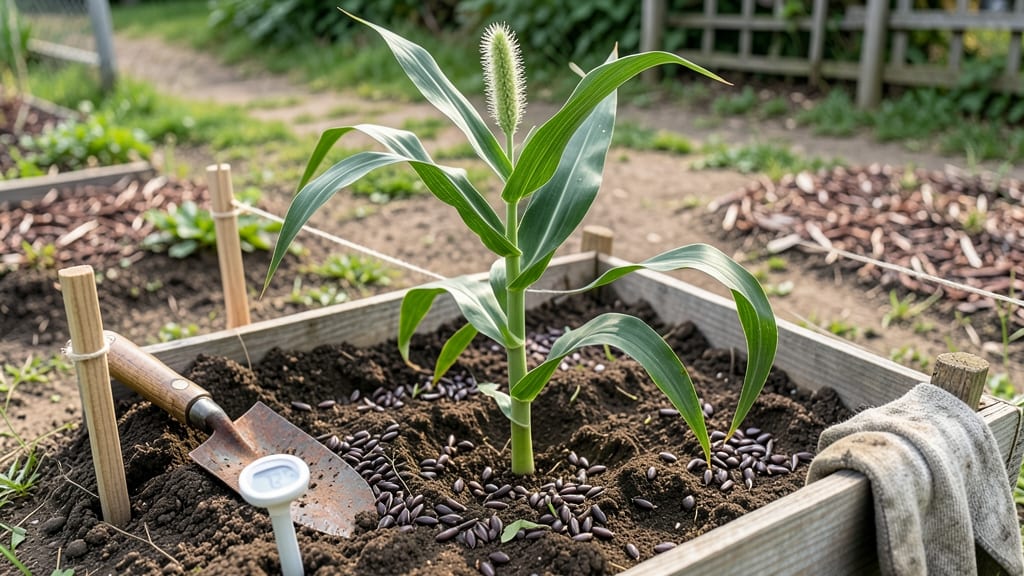
Planting corn in Pennsylvania at the wrong time can mean the difference between a thriving 🌽 harvest and wasted effort—especially when frost dates vary dramatically across regions like the humid Southeast or cooler Erie areas.
Most gardeners in PA’s 5b-7a zones wait until mid-April to mid-May, but timing depends on soil warmth (corn needs 60°F+ to germinate) and your local microclimate. Get it right, and you’ll enjoy fresh ears from July to September; get it wrong, and you might lose your entire crop.
In this guide, I’ll break down the exact planting windows for PA’s six key regions, plus pro tips for adjusting to late springs or early frosts. Whether you’re growing sweet corn for the table or field corn for livestock, precision timing is your secret weapon.
Ready to turn your garden into a cornfield goldmine? Let’s dive into the data—and save you from costly mistakes.
Best planting months for corn in Pennsylvania by region (with frost date maps)
Pennsylvania’s diverse microclimates mean your corn planting schedule should align with your specific region—not just the state average.
In the southeastern part of the state (like Philadelphia), you can plant as early as late March, while gardeners in the Erie region near Lake Erie often wait until mid-May to avoid frost. Understanding these regional differences is key to avoiding frost damage or stunted growth.
Corn thrives when soil temperatures reach 60°F or warmer, which typically occurs in April or early May across most of PA. However, using a soil thermometer is the most reliable way to confirm readiness.
The PA State Climate Office provides frost date maps that can help you pinpoint your local planting window—bookmark their resources for real-time updates.
For sweet corn varieties, which are more sensitive to cold, aim to plant after your area’s average last frost date. In contrast, field corn (used for animal feed or processing) can tolerate slightly cooler soils, giving you a 1-2 week earlier planting window if needed.
Always check seed packet recommendations for specific variety guidelines.
| Region | Last Frost Date (Avg.) | Optimal Planting Window | Soil Temp Trigger | Notes |
|---|---|---|---|---|
| Southeast (Philly, Reading) | Mid-April | Late March–Early April | 60°F+ (early April) | Humid climate; watch for fungal diseases. |
| Central (Harrisburg, Lancaster) | Late April | Early–Mid April | 60°F+ (late April) | Moderate climate; ideal for most varieties. |
| Northeast (Scranton, Wilkes-Barre) | Early May | Mid–Late April | 60°F+ (early May) | Cooler nights; use row covers if late. |
| Northwest (Erie, Pittsburgh) | Mid-May | Late April–Early May | 60°F+ (late May) | Lake Erie influence delays warming. |
| Appalachian (State College, DuBois) | Late April | Early–Mid May | 60°F+ (early May) | Higher elevation; shorter growing season. |
If you’re unsure about your local frost dates, use the National Weather Service’s Almanac or the PA Ag Progress reports for historical data. For example, in Pittsburgh, the last frost typically occurs around April 20th, while in Allentown, it’s closer to April 10th.
These differences can mean the difference between a bountiful harvest and failed germination.
Pro tip: Plant a test row a week before your target date to monitor soil warmth and early growth. If seedlings emerge quickly, you’re in the clear. If they struggle, wait another week. This simple step can save you from replanting later in the season.
For gardeners in USDA Zone 5b (like much of central PA), consider early-maturing varieties like ‘Ambrosia’ (65 days) or ‘Peaches and Cream’ (70 days) to maximize your harvest window.
In Zone 7a (southeastern PA), you can afford slightly slower varieties like ‘Silver Queen’ (90 days) or ‘Bodacious’ (85 days), which are more cold-tolerant.
Remember, corn is a warm-season crop, so rushing the planting process—even by a few days—can lead to poor root development or blight susceptibility. Always prioritize soil temperature over calendar dates for the best results.
🌽
How to adjust your corn planting schedule for late springs and early frosts
Pennsylvania’s weather can be unpredictable—one year you’re planting in early April, and the next, late May frosts threaten your 🌽 corn before it even sprouts. If you’ve ever faced a late spring or early frost, you know how quickly a perfect planting window can vanish.
The key is flexibility: using row covers, choosing cold-tolerant varieties, and having a backup plan.
I’ve planted corn in PA for over a decade, and I’ve learned that rigid schedules lead to disappointment. Instead, I now use a 3-step risk-assessment approach to adjust planting dates based on real-time conditions.
This method has saved my crops multiple times—especially in years like 2021, when Erie’s last frost hit May 15, two weeks later than average.
First, monitor your local soil temperature. Corn seeds won’t germinate until the soil reaches 60°F—and waiting for this warmth is non-negotiable. Use a soil thermometer (I swear by the Thermopro model) to check daily.
If temperatures hover below 55°F for more than a week, delay planting until conditions improve.
- 1 Delay planting if soil temps stay below 60°F for 7+ days. Use a soil thermometer—don’t guess!
- 2 Choose cold-hardy varieties like ‘Bodacious’ (70-day) or ‘Silver Queen’ (65-day). These tolerate cooler soils better than standard types.
- 3 Use row covers for 2–3 weeks post-planting to protect seedlings from light frosts (28°F–32°F). Remove covers when plants reach 6 inches tall.
For gardeners in Zone 5b (like the Poconos or Erie), I recommend planting ‘Early Sunglow’ (68-day) or ‘Peaches and Cream’ (72-day) if frost threatens. These varieties mature faster, giving you a better chance to harvest before the first frost in mid-October.
In Zone 7a (Southeast PA), you have more wiggle room—but don’t push it past June 1, or your corn may not mature before frost.
If your spring is particularly late, consider starter fertilizers with thiamin (like Espoma Garden Tone) to jumpstart germination. I’ve seen 10–15% faster sprouting when using this trick in cool soils. Pair it with a black plastic mulch to warm the soil 5–10°F faster than bare earth.
Finally, keep an eye on the PA State Climate Office for real-time frost forecasts. Their 14-day outlooks are gold for adjusting planting dates. In 2019, their data helped me avoid planting too early in Central PA—saving my entire crop from a May 10 frost.