
Plants
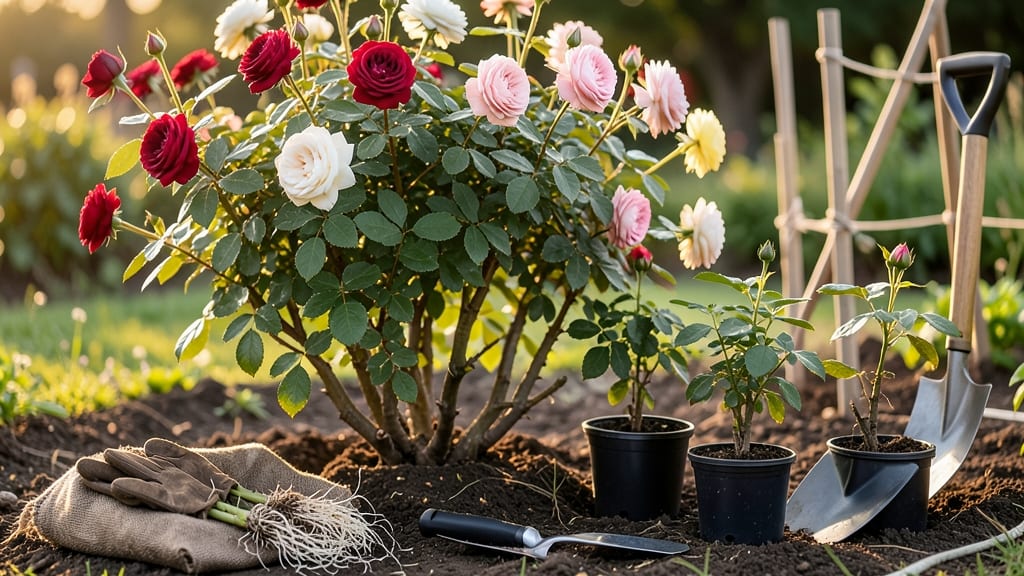
Planting roses in Texas isn't just about timing—it's about beating the brutal heat and avoiding frost damage, even in the most forgiving zones. If you get your timing wrong, your delicate 🌹 blooms could wilt before they ever open, leaving you with nothing but disappointment.
Texas gardeners know the stakes are high, especially when you're dealing with USDA zones 8a-10b and unpredictable weather swings. The key to success lies in understanding when to plant—whether you're in North Texas where frosts still sneak in or South Texas where the heat never really lets up.
I've seen firsthand how the wrong timing can turn a promising rose bush into a sad, struggling plant. But don't worry—I'll walk you through the exact windows for planting bare-root versus container-grown roses, so you can set your 🌹 up for success from day one.
From fall planting in cooler zones to late-winter adjustments in the heat, we'll cover everything you need to know to grow thriving roses that bloom beautifully year after year. Let's get started.
Texas rose planting calendar by heat zone: best months for zero-frost success
Texas spans USDA zones 8a-10b, meaning your planting window depends entirely on where you live. In North Texas (zones 8a-9a), frost can still sneak in as late as mid-February, while South Texas (zones 9b-10b) enjoys frost-free growing conditions year-round.
This dramatic difference changes everything about when—and how—you plant your roses.
For most Texas gardeners, the ideal planting window falls between November and March. This gives your roses time to establish roots before summer's brutal heat arrives. However, container-grown roses offer more flexibility, allowing planting even in mild winters (zones 9b-10b).
Bare-root roses, the most common type sold in nurseries, need cool soil temperatures to thrive. Planting them too early in North Texas risks frost damage, while planting too late means they won't establish before summer heat stress sets in. The sweet spot? Late November through February for most regions.
In South Texas, where frost is rare, you can plant container-grown roses year-round. But even here, fall planting (September-December) gives roses a head start before summer's intense heat arrives. The key is avoiding the peak summer months (June-August), when temperatures regularly exceed 100°F.
Here's how to match your planting schedule to your Texas heat zone:
🌹 Texas Rose Planting Calendar by Zone
| Zone | Bare-Root Roses | Container Roses | Critical Notes |
|---|---|---|---|
| 8a (North Texas) | Nov 15 - Feb 15 | Year-round (best Nov-Mar) | Last frost Feb 15; protect from unpredictable cold snaps. |
| 9a (Central Texas) | Nov 1 - Mar 1 | Year-round (best Oct-Apr) | First frost Dec 1; avoid summer planting. |
| 9b-10b (South Texas) | Sep 15 - Dec 15 | Year-round | No frost risk; prioritize shade protection in summer. |
🌡️ Pro Tip: Always check your local frost dates—they can vary by 1-2 weeks even within the same zone.
If you're planting bare-root roses, soak the roots in lukewarm water for 4-6 hours before planting to revive dormant roots. For container-grown roses, water thoroughly 1-2 days before transplanting to reduce shock. Both methods require well-draining soil—a critical factor in Texas where clay soils dominate.
Timing isn't just about the calendar—it's about the weather forecast. I always check for 3-5 days of stable temperatures above 50°F before planting. This ensures your roses won't experience root shock from sudden temperature swings, a common issue in Texas' unpredictable spring weather.
One mistake I see often is planting too early in North Texas and having roses damaged by late winter frosts. To avoid this, I recommend waiting until mid-November at the earliest, even if the soil feels warm.
Your roses will thank you with stronger root systems and healthier blooms come spring.
For South Texas gardeners, the biggest challenge isn't frost—it's summer heat. Planting in late summer (August-September) gives roses time to establish before the 100°F+ temperatures arrive. Always choose heat-tolerant varieties like 'Knock Out' roses or 'Earth Song' for best results.
Remember: Container-grown roses are your best friend in Texas. They allow year-round planting and give you the flexibility to move roses to shadier spots during peak summer heat. Just be prepared to water them 2-3 times per week once established.
How to prepare your Texas soil and site for rose planting: avoid these 3 deadly mistakes
Texas soil can be a double-edged sword for roses—too alkaline, too heavy, or poorly draining, and your roses will struggle even if you plant them at the perfect time.
The key is preparing your site 6-8 weeks before planting to give roots a fighting chance against our extreme heat and clay-heavy soils. Skipping this step often leads to root rot, poor blooms, or even plant death within the first year.
Start by testing your soil’s pH level—Texas soils often run 7.5-8.5 (alkaline), which locks out essential nutrients like iron and phosphorus. Roses thrive in slightly acidic soil (6.0-6.5), so you’ll likely need to amend with sulfur or peat moss.
Grab a soil test kit from your local Texas A&M AgriLife Extension office for precise results.
⚠️ 3 Deadly Mistakes to Avoid
- Mistake 1: Planting in clay soil without amendments → Roots suffocate, leading to root rot.
- Mistake 2: Ignoring drainage issues → Water pools, causing fungal diseases like black spot.
- Mistake 3: Skipping mulch in summer → Soil bakes, shocking roots when temps hit 100°F+.
Next, focus on drainage. If your yard has compacted clay, dig a 6-inch-deep trench around the planting area and fill it with gravel or coarse sand to break up the clay.
For container planting, use a mix of 50% native soil, 30% compost, and 20% perlite to ensure water drains freely. Never plant roses in low spots where water collects after rain.
Sun exposure is another critical factor. While roses love full sun (6+ hours daily), Texas’ intense afternoon heat can scorch young plants. Choose a spot with morning sun and afternoon shade from trees or a partial shade cloth (30-50%) during peak summer months.
If planting near a south-facing wall, space roses 3 feet away to avoid overheating.
Finally, protect your roses from Texas’ unpredictable weather. Use 2-3 inches of mulch (like pine bark or straw) to insulate roots and retain moisture. For North Texas gardeners, add a lightweight row cover in late fall to shield tender canes from unexpected frost.
In South Texas, focus on shade cloth to prevent heat stress during summer.
With these prep steps, your roses will establish strong roots before the Texas heat peaks, setting them up for vibrant blooms all season long. 🌹