
Plants
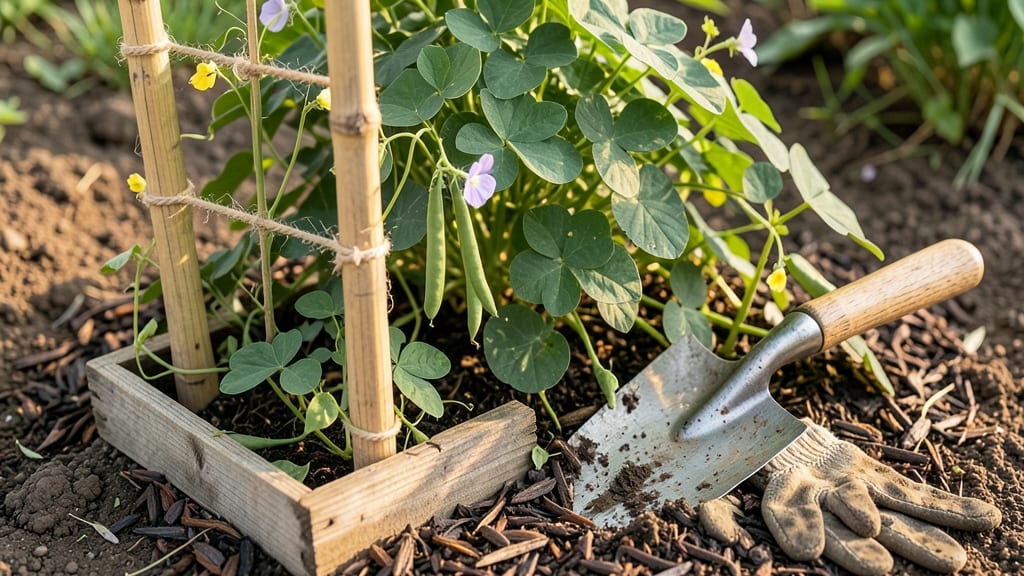
Planting cowpeas in Texas isn’t just about timing—it’s about outsmarting the heat and avoiding those pesky early frosts that can turn your garden dreams into a sad, wilted mess. 🌱 The key?
Starting when soil temperatures hit at least 60°F, which means waiting until late March in North Texas or as early as February in South Texas’s warmer zones.
But here’s the catch: cowpeas are fast growers, but they’re also frost-sensitive, so rushing the process can backfire. I’ve learned the hard way that planting too soon—when nights still dip below 50°F—leads to slow germination or worse, seed rot.
The sweet spot? Aim for April to June in most of the state, when the ground stays warm and the days stretch long enough for those vines to take off.
What makes this even trickier is Texas’s three distinct heat zones, each with its own frost dates and microclimates. Whether you’re in the Panhandle’s cooler stretches or the Rio Grande Valley’s year-round warmth, knowing your last frost date is non-negotiable.
I’ll break down exactly how to match your planting schedule to your region—so you can skip the guesswork and get straight to harvest.
Ready to turn your backyard into a cowpea powerhouse? Let’s dive into the heat-zone map and soil prep secrets that’ll have your plants thriving in 60-90 days, no matter where you are in the Lone Star State.
Texas heat-zone planting map: best months by region for cowpea germination
Texas’s diverse climate means cowpeas can thrive year-round in some areas while struggling in others. The key to success? Planting when soil temperatures hit 70°F+ and avoiding frost-prone windows. North Texas gardeners face earlier frost risks, while South Texas enjoys extended growing seasons.
Let’s break down the exact months to plant cowpeas in each region for fast germination and zero frost damage.
Cowpeas are heat-loving plants that despise cold soil. If you plant too early in North Texas (USDA Zones 8a-8b), seeds may rot instead of sprouting. Meanwhile, South Texas (Zones 9a-10b) gardeners can plant as early as February and extend harvests into November.
Central Texas (Zones 8b-9a) falls somewhere in between, with a longer growing window than the north but cooler nights than the south.
Here’s your Texas heat-zone planting map with optimal months for each region, soil temperature thresholds, and frost-free windows:
| Texas Region | USDA Zone | Last Frost Date | First Frost Date | Best Planting Months | Soil Temp Threshold |
|---|---|---|---|---|---|
| North Texas | 8a-8b | February 15 | December 1 | April–September | 70°F+ |
| Central Texas | 8b-9a | March 15 | November 15 | March–October | 65°F+ |
| South Texas | 9a-10b | January 15 | December 31 | February–November | 60°F+ |
For North Texas gardeners, wait until mid-April to plant cowpeas. This ensures soil temperatures stay above 70°F and avoids late-spring frost surprises. Use a soil thermometer to confirm—cowpea seeds won’t germinate below 65°F, and slow germination invites pests like cutworms.
In Central Texas, you can start as early as March, but focus on April–June for the best harvests. The region’s longer frost-free window (240+ days) lets you experiment with fall plantings in September for a late-season crop.
Just monitor nighttime temperatures—cowpeas wilt if exposed to below 50°F for more than a few hours.
South Texas’s tropical climate allows for year-round planting, but aim for February–May and September–October to avoid the hottest summer months (June–August), when cowpeas may bolt or struggle to set pods. Mulch heavily to retain moisture and protect roots from intense afternoon sun.
Pro tip: Use black plastic mulch to warm soil faster in cooler regions. This trick raises soil temperatures by 5–10°F, helping seeds germinate 2–3 days faster and giving you an earlier harvest. Just remove the mulch once plants are established to prevent overheating.
🌱
Texas heat-zone planting map: best months by region for cowpea germination
Texas’s diverse heat zones mean cowpeas can thrive year-round—but timing is everything. In North Texas (USDA Zones 7b-8a), wait until after April 15 when soil temps hit 70°F+.
Central Texas (Zones 8a-8b) gardeners can start as early as March 15, while South Texas (Zones 9a-10b) offers a January-May window for frost-free planting.
Cowpeas are heat-loving annuals that despise frost, so soil temperature is your best guide. Use a soil thermometer to confirm readiness—seeds won’t germinate below 60°F, but 70°F+ ensures fast sprouting (5-10 days). In East Texas, humidity helps germination, while West Texas requires extra irrigation to kickstart growth.
🌡️ Texas Heat-Zone Planting Guide
| Region | USDA Zone | Optimal Planting Window | Soil Temp Threshold | Key Tip |
|---|---|---|---|---|
| North Texas | 7b-8a | April 15–June 15 | 70°F+ | Use black plastic mulch to warm soil faster. |
| Central Texas | 8a-8b | March 15–July 15 | 65°F+ | Plant after oak pollen season (April) for fewer allergies. |
| South Texas | 9a-10b | January–May | 60°F+ | Succession plant every 2 weeks for continuous harvests. |
| West Texas | 8a-9a | April 1–June 30 | 75°F+ | Water deeply 2x/week to prevent drought stress. |
For fastest germination, aim for May-June plantings in most of Texas. This aligns with peak summer rainfall and ensures 90-day harvests before fall frosts.
In East Texas, June plantings often yield the largest pods due to consistent humidity, while West Texas gardeners should prioritize early April starts to beat the 100°F+ heat of July.
Pro tip: Test soil moisture before planting—cowpeas hate soggy roots. In clay-heavy soils (common in North Texas), amend with compost or sand to improve drainage. Sandy soils (like those in South Texas) benefit from a 2-inch layer of mulch to retain moisture.
Remember, cowpeas are drought-tolerant once established, but young seedlings need consistent moisture. If your area experiences unpredictable rains (like Central Texas), consider raised beds to prevent waterlogging. Plant seeds 1 inch deep and 3-4 inches apart for optimal airflow and pod development.