
Plants
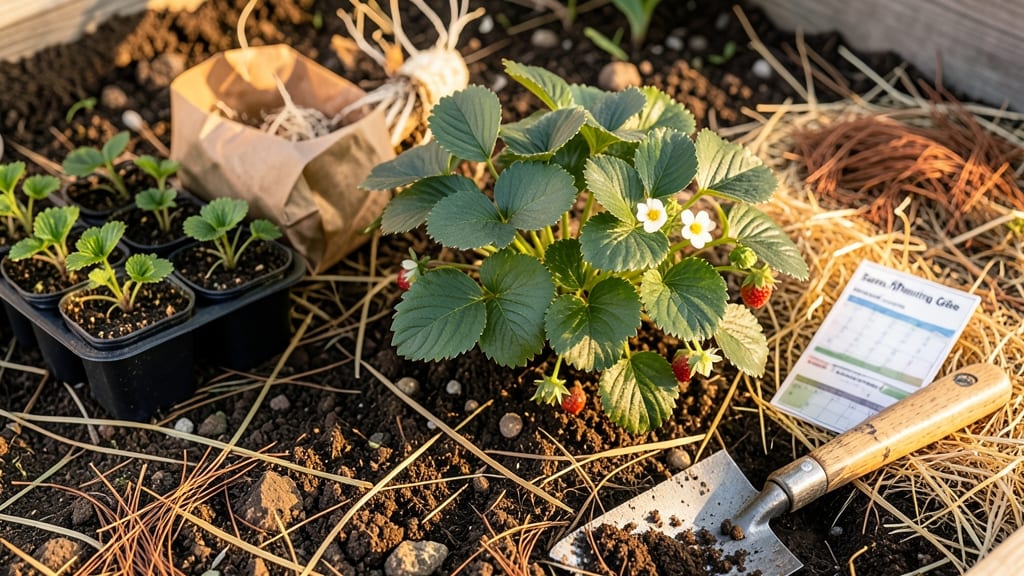
To grow the juiciest 🍓 strawberries in Zone 8, timing your planting is the key—and getting it wrong can mean smaller harvests or even failed crops.
Unlike cooler climates, Zone 8’s mild winters and warm springs give you two prime windows to plant, but each requires different prep work to ensure strong root growth before the heat sets in.
Most gardeners in Zone 8 swear by fall planting (September–October), when soil stays warm long enough for roots to establish before winter slows things down. But spring planting (February–March) also works if you’re patient enough to wait for the last frost to pass.
The difference? Fall-planted strawberries often bear fruit earlier the following season, while spring plantings catch up but may need extra care to avoid summer stress.
Whether you’re starting with bare-root plants or potted varieties, the best time depends on your local microclimate and whether you’re aiming for an early spring harvest or a fall bounty.
I’ll break down the exact months to plant, soil prep tricks to speed up root growth, and how to protect your plants from Zone 8’s occasional late frosts or scorching summers.
Ready to turn your garden into a strawberry paradise? Let’s dive into the optimal planting schedule that’ll have you picking berries in no time—without the guesswork.
Best planting months for strawberries in Zone 8: fall vs spring breakdown
In Zone 8, where winters are mild and springs arrive early, strawberries can be planted during two ideal windows: late winter/early spring or early fall. Each season offers unique advantages, but timing is critical to avoid frost damage or summer heat stress.
Let’s break down the best months for each approach and what makes them work in your climate.
Spring planting (typically February to early March) aligns with the last frost date in most Zone 8 regions. This gives plants 6–8 weeks to establish roots before summer heat arrives.
Fall planting (usually September to October) allows roots to grow slowly through winter, producing an earlier harvest the following spring. Both methods yield great results, but your choice depends on your local microclimate and variety.
Soil temperature is the key factor. Strawberries need soil that’s at least 45°F (7°C) for planting. In Zone 8, this usually means waiting until mid-February for spring or planting by late September for fall. Using a soil thermometer ensures you don’t plant too early when roots can’t establish properly.
Here’s how the two planting windows compare for Zone 8:
| Factor | Spring Planting (Feb–Mar) | Fall Planting (Sep–Oct) |
|---|---|---|
| Best Months | February–March | September–October |
| Soil Temp Requirement | 45°F+ (7°C+) | 50°F+ (10°C+) |
| Root Establishment Time | 6–8 weeks before summer | 8–10 weeks before frost |
| Frost Risk | Low (after last frost) | Moderate (use mulch) |
| Harvest Window | Late spring–early summer | Early spring (next year) |
| Best For | June-bearing varieties | Everbearing & day-neutral |
| Post-Planting Care | Mulch + water deeply | Heavy mulch for winter |
Spring planting is ideal if you’re growing June-bearing varieties, which produce one large harvest in late spring. Fall planting, however, works better for everbearing or day-neutral varieties, extending your harvest into early summer.
For example, Seascape (day-neutral) thrives when planted in fall, while Chandler (June-bearing) performs best in spring.
One common mistake in Zone 8 is planting too early in spring when soil is still cold. If you plant in January or early February, roots may struggle to grow, leaving plants vulnerable to rot or pests.
Always check soil temperature with a thermometer—45°F (7°C) is the minimum for healthy root development.
For fall planting, aim to finish by late September in most of Zone 8. This gives roots enough time to establish before winter dormancy. Use 3–4 inches of mulch (straw or pine needles) to insulate plants from freezing temperatures. In colder microclimates (e.g., higher elevations), consider planting in October instead.
If you’re unsure which method to choose, try both! Many gardeners in Zone 8 plant half their strawberries in spring and half in fall to stretch their harvest season. Just be sure to space plants 12–18 inches apart and provide 6+ hours of sunlight daily for optimal growth.
Remember, the goal is to give strawberries strong roots before extreme weather hits. Whether you plant in spring or fall, consistent moisture and well-draining soil are non-negotiable for a bountiful harvest.
Best planting months for strawberries in Zone 8: fall vs spring breakdown
Zone 8’s mild winters and warm springs create a unique window for planting strawberries. Unlike colder zones, you have two ideal planting periods: late winter/early spring and early fall.
Each offers distinct advantages, but timing directly impacts root establishment, frost survival, and harvest yields. Let’s break down the pros, cons, and best practices for each.
For spring planting, aim for February to early March—just as the last frost (mid-February to early March) passes. This gives roots 6–8 weeks to establish before summer heat arrives. However, spring-planted strawberries may produce smaller first-year yields as they focus on root growth.
In contrast, fall planting (September to October) lets strawberries establish roots in cooler soil before winter dormancy, often resulting in earlier and larger harvests the following spring.
📅 Comparison Table: Spring vs. Fall Planting for Zone 8 Strawberries
| Factor | Spring Planting (Feb–Mar) | Fall Planting (Sep–Oct) |
|---|---|---|
| Best Soil Temp | 50–60°F | 60–70°F |
| Root Establishment Time | 6–8 weeks | 8–10 weeks |
| First Harvest Window | Late spring (May–June) | Early spring (April–May) |
| Frost Risk | Low (post-last frost) | Moderate (winter dormancy) |
| Yield Potential | Moderate (smaller first year) | High (larger first-year harvest) |
| Best For | June-bearing varieties | Everbearing/day-neutral varieties |
✅ Pro Tip: For Zone 8’s extended growing season, fall-planted strawberries often outperform spring-planted ones due to cooler root zones and reduced summer stress.
If you choose spring planting, prioritize bare-root plants over potted ones—they establish faster in cooler soil. For fall planting, opt for potted strawberries (they handle transplanting better in warm soil) and plant 6–8 weeks before the first frost (mid-November) to allow roots to anchor before dormancy.
Both methods work, but fall planting is my go-to for Zone 8’s climate—it aligns perfectly with the natural dormancy cycle of strawberries.
One critical factor often overlooked is soil temperature. Strawberries thrive when soil is above 50°F but below 80°F. In Zone 8, spring soils can warm too quickly, stressing young plants. Use a soil thermometer to confirm temperatures before planting.
If soil is too hot (above 75°F), delay planting until evenings cool slightly or use shade cloth for the first 2 weeks to reduce stress.
For everbearing or day-neutral varieties (like Seascape or Albion), fall planting is especially rewarding. These varieties produce two harvests: one in early spring and another in fall.
By planting in September, you’ll enjoy berries as early as April and again in October—a 12-month payoff for minimal extra effort. Just ensure your chosen variety is cold-hardy enough for Zone 8’s winters (most are, but check labels!).
Finally, don’t dismiss August or November planting entirely. While not ideal, August works for potted plants if you’re replacing failed spring plantings, and November can still allow roots to establish before winter—just mulch heavily (4–6 inches) to insulate roots.
The key is soil temperature, not just calendar months. Always plant when soil is cool but not frozen, and you’ll set your strawberries up for success.