
Plants
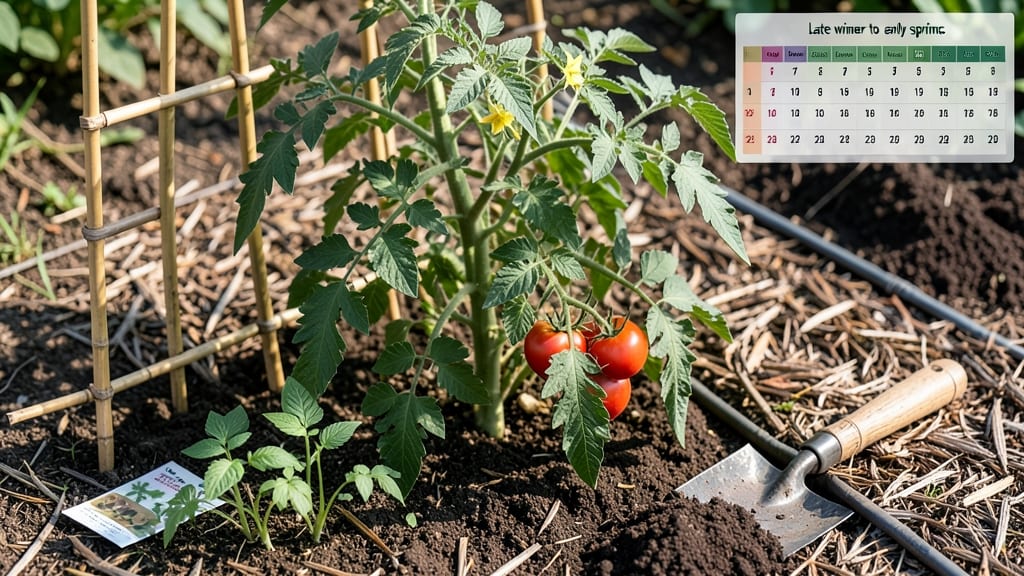
When do you plant tomatoes in Alabama? Timing your 🍅 tomato planting isn’t just about the calendar—it’s about understanding how fast your soil warms up after those last frost warnings fade. Get it right, and you're looking at a bumper crop by summer; get it wrong, and you might end up with leggy seedlings or pests moving in early.
Most gardeners in Alabama's 7b-8b zones wait until mid-March to late April for transplants, but direct sowing seeds works best between late April and early June. The key? Soil temperatures need to hit at least 55°F—any cooler, and germination slows to a crawl.
What I've learned is that a few simple tricks—like using row covers or planting in black plastic mulch—can accelerate warming by 5-10°F, giving you that extra edge for faster growth. Whether you're in Birmingham's cooler hills or Mobile's humid lowlands, these adjustments make all the difference.
Ready to skip the guesswork? I'll walk you through exactly how to time your plantings, test soil warmth, and even adjust for urban containers. Let's get those tomatoes growing the fastest way possible.
Best planting dates for tomatoes in Alabama by region
Alabama’s diverse climate means planting dates vary dramatically from North to South. In North Alabama (Birmingham area), where last frosts linger until mid-April, aim for transplanting by April 15—but start seeds indoors in March for an early jump.
Meanwhile, Central Alabama (Montgomery) gardeners can plant outdoors as early as late March, while South Alabama (Mobile) enjoys a 3-week earlier window thanks to warmer soils.
The key? Soil temperature—tomatoes need 55°F+ to thrive, and Alabama’s black soil heats up faster than sandy coastal regions. Use these regional guidelines to avoid frost damage or slow germination in cooler pockets.
🌱 Pro Tip: Check your local Alabama Cooperative Extension frost maps—some high-elevation areas (like Huntsville) face frost until May 1!
For container gardening in cities like Huntsville or Birmingham, extend your season by 2–3 weeks—pots cool faster at night. Place containers near south-facing walls or use black plastic mulch to warm soil 5–10°F faster than bare earth.
If you miss the spring window, don’t despair! Succession planting in late June can yield a fall harvest before frost. Just choose determinate varieties (like 'Celebrity') that ripen faster in shorter seasons.
🌡️ Soil thermometer hack: Stick it in the ground at 4-inch depth—this is where tomato roots seek warmth. Aim for 70°F+ for direct sowing to avoid damping off disease.
🌱 Urban tip: Mobile’s coastal humidity? Opt for caged varieties like 'Better Boy' to prevent blossom drop from heat stress.
Soil temperature secrets for faster tomato germination
Alabama’s warm springs can jumpstart your tomato plants—but only if your soil is ready. Tomatoes need consistent warmth to germinate properly, and rushing it leads to leggy seedlings or poor growth. The key? Monitoring soil temperature and using simple tricks to create the perfect environment for your seeds.
For direct sowing, aim for soil temperatures of 70°F+—this threshold ensures fast, even germination. In cooler Alabama regions like North Alabama, you may need to wait until late April or early May, while South Alabama gardeners can start as early as mid-April.
If your soil isn’t warm enough, don’t panic—there are ways to speed it up naturally.
Pro tip: Dark-colored containers (like black nursery pots) absorb heat faster—perfect for container gardening in urban Alabama areas. Fill them with well-draining potting mix and place in sunny spots to mimic warmed soil conditions. Just remember to water consistently, as containers dry out quicker than in-ground beds.
By mastering these soil temperature tricks, you’ll give your tomatoes a competitive edge in Alabama’s humid climate. Faster germination means earlier harvests, and who doesn’t love homegrown tomatoes by July?
Just keep an eye on those temps, and your plants will thank you with vines full of juicy fruit all season long. 🌱